KyberMini NO
IP66 Case, NO Sensor
- Built for classroom, office, and room-level air quality visibility.
- Helps teams spot ventilation patterns and day-to-day comfort changes early.
- IP66 Case with NO Sensor
From
R21,698.11
VAT included
- Brand
- ExpandoWorks
- Availability
- Available to order
- Condition
- New product
- Shipping
- Shipping and returns
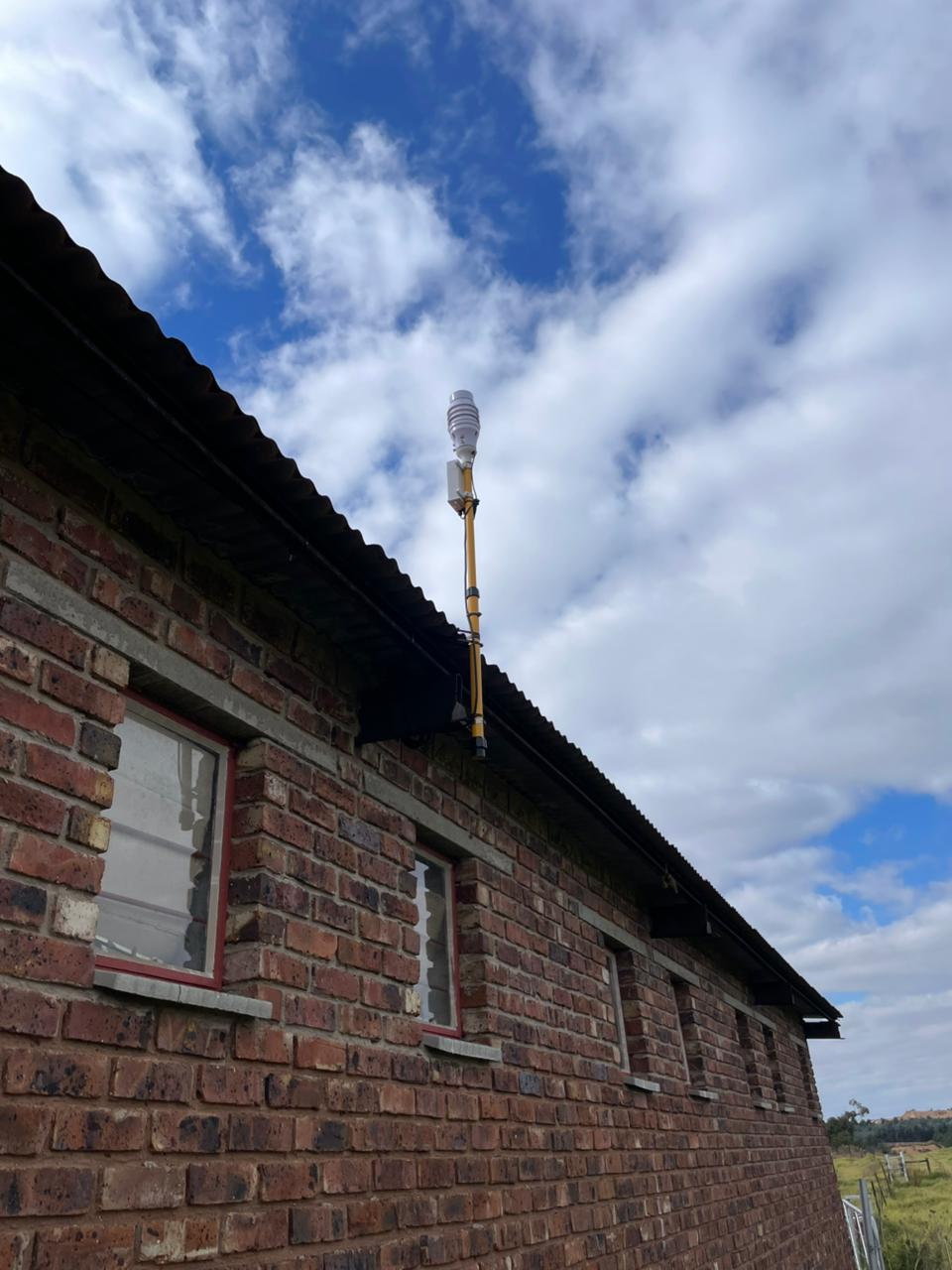
Product overview
KyberMini NO is positioned for teams that need a practical deployment path, clear reporting value, and support that connects the product detail to the wider monitoring setup.
IP66 Case, NO Sensor
More product detail
Included options: GPS, USB dock, Mounting brackets.
Why buyers choose this product
Use cases
- Track ventilation conditions in classrooms, lecture rooms, and training spaces.
- Compare shared indoor areas such as offices, receptions, and meeting rooms.
- Run pilot projects before scaling room-level monitoring across a site.
Specifications
KyberMini NO is a compact monitoring option for targeted indoor, room-level, or point-specific deployments where lower hardware overhead and quick rollout matter.
Measured parameters
| Parameter | Range | Resolution |
|---|---|---|
| Nitric oxide | 0 to 50 ppm | 0.1 ppm |
Deployment fit
- Targeted nitric oxide monitoring for focused emissions or site checks
- Single-parameter deployments where one gas needs to be tracked over time
- Compact monitoring points where straightforward interpretation matters
Support notes
- Best suited to focused monitoring outcomes rather than broad multi-parameter field stations.
- Can be used as part of a wider Kyber rollout where multiple locations or single-purpose devices are needed.
- Public product information intentionally excludes low-level implementation details.
Related products and guides
Use these paths to compare adjacent options and connect this product to the wider ExpandoWorks monitoring stack.
Need help choosing the right setup?
Next steps
Map the rooms, teams, and review cadence that will make the monitoring useful from week one.
Align alerts and recurring summaries with the people responsible for facilities, health, or operations.