Overview
Air-quality monitoring projects usually start with a simple question: what do we actually need to measure, and what will we do with the data once we have it?
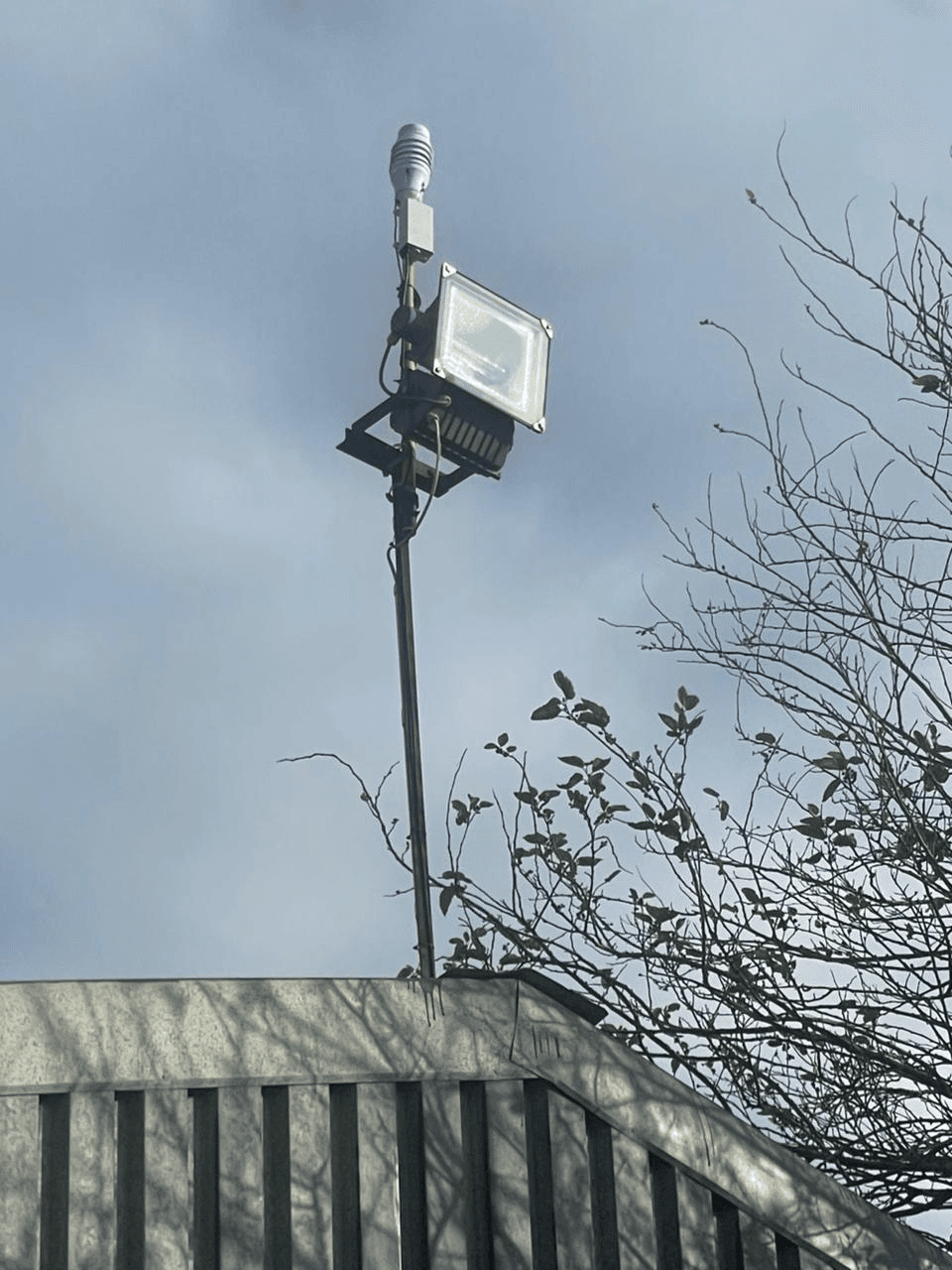
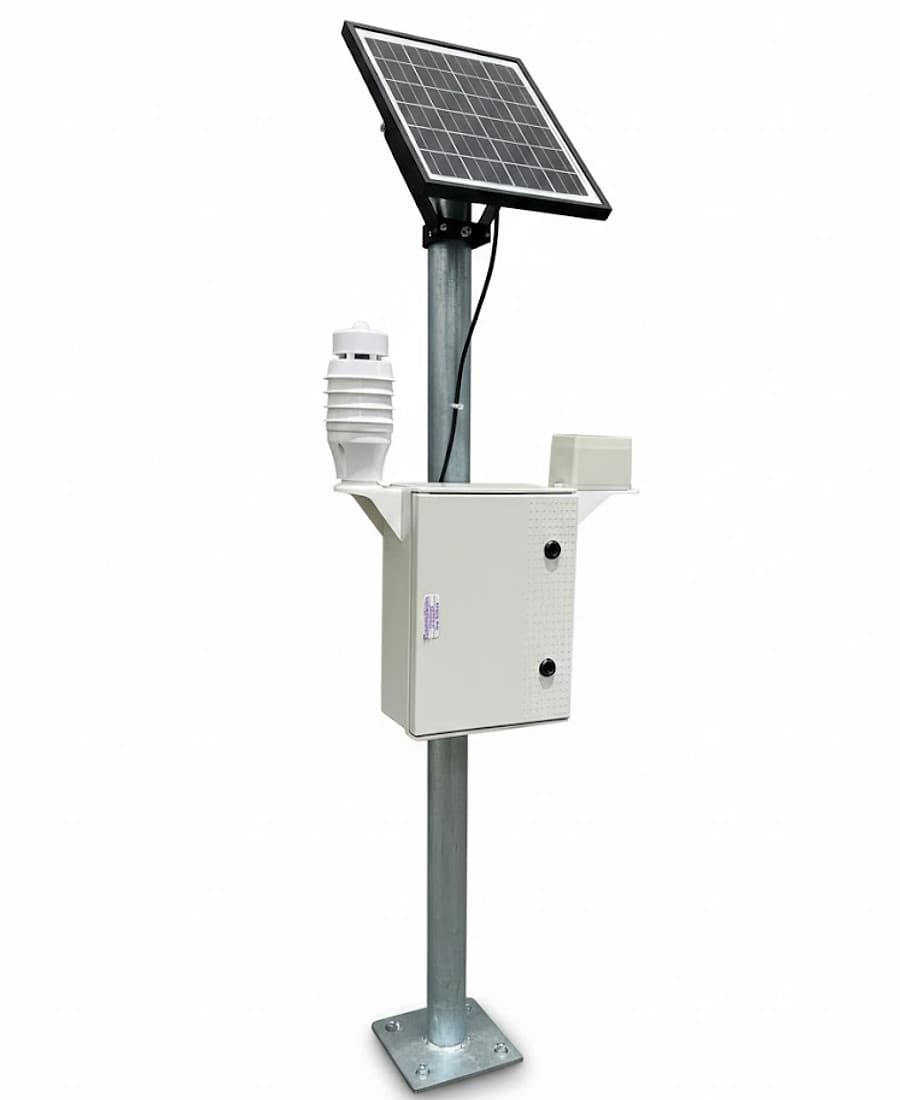
For South African buyers, that question matters even more because monitoring systems often need to handle dust, weather, power constraints, connectivity issues, and outdoor operating conditions that are tougher than a datasheet suggests. A good monitoring deployment is not just a sensor on a pole. It is a full system made up of sensing hardware, enclosure choices, communications, dashboards, and practical support after installation.
What the site needs to answer
Teams comparing options for air quality monitoring in South Africa should begin by defining the site outcome first. Some projects are aimed at industrial dust visibility. Others are about PM2.5 trends near schools, estates, roads, or public environments. Some need environmental reporting support, while others need operational alerts and live dashboards for remote teams.
The next check is parameter coverage. Not every project needs the same sensor package. Some deployments need particulate tracking only, while others need PM2.5, PM10, gases, VOC indicators, weather context, or indoor air-quality measures such as CO2. A system that looks attractive on price can become restrictive if it cannot be expanded once the site requirements become clearer. Buyers comparing PM2.5 monitor options in South Africa should make sure the deployment can still provide wider context such as wind, humidity, rainfall, temperature, or gas readings where those factors affect interpretation.
What to watch during rollout
Industrial and mining environments need special attention. Dust readings become much more useful when they can be reviewed alongside weather and site activity. That is why industrial dust monitoring and mine dust monitoring projects should be scoped around the full site condition, not a single particulate number in isolation. Surface operations, haul roads, construction zones, stockpiles, and boundary lines all create different monitoring patterns and equipment expectations.
Schools and campus environments are a different use case, but the same planning principle applies. A buyer looking at school air quality monitoring should think about where readings will be reviewed, who is responsible for action, and whether the monitoring will stay limited to one site or expand across multiple classrooms, buildings, or campuses. If a system cannot support dashboard comparisons across locations, the data becomes much harder to use operationally.
How teams should use the data
Connectivity and dashboard access are often underestimated during procurement. A monitoring unit that records data is only part of the job. Operators usually need remote review, trend visibility, and a practical way to compare multiple dates or locations. That is where KyberPortal matters. Buyers should ask whether the platform includes a usable dashboard layer, how alerts are handled, and whether the supplier can support both hardware and software when changes are needed after deployment.
Local support is another major differentiator. Imported monitoring hardware can work well, but when a deployment needs enclosure changes, comms decisions, integration help, or a revised sensor package, local support shortens the time between problem and fix. ExpandoWorks designs and supports KyberAir from Johannesburg, which helps buyers who need a more practical path from specification to rollout.
What better deployment support looks like
The strongest buying process is usually the simplest one: define the outcome, confirm the sensor scope, check the environmental conditions, verify connectivity and dashboard needs, and make sure the supplier can support changes after installation.
For teams that need a South African path to field-ready monitoring, KyberAir brings those pieces together in one deployment stack. It supports air-quality, particulate, weather, and environmental monitoring with local engineering support and KyberPortal dashboard access.
Section 6
If you are planning an air-quality, PM2.5, dust, or environmental monitoring rollout, contact ExpandoWorks to scope the right KyberAir deployment for the site.