Overview
Custom business software development works best when a company starts with a real operational bottleneck rather than a vague request for a portal or app. Many South African businesses already know where the pain is. The issue is usually repeated manual capture, slow approvals, disconnected spreadsheets, poor visibility across teams, delayed customer updates, or field activity that never cleanly reaches the people who need it next.
That is why the strongest first automation target is usually workflow handover. If one team captures information and another team still has to retype it, chase it, confirm it, or clean it up before the next step can happen, the process is already costing the business time and accuracy. Custom software should reduce that handover friction by making the next action clear, moving the right data with it, and showing status without people needing to ask for it manually.
Where teams lose time
Approvals are another high-value starting point. In many operational businesses, work slows down because pricing, purchasing, dispatch, access, escalation, or customer actions sit in inboxes or chat threads with no structured flow behind them. A custom business system can make approvals visible, role-based, and auditable so managers know what is waiting, teams know what is blocked, and customers are not left wondering why nothing is moving.
Field reporting is often the next strong candidate for automation. Teams in maintenance, environmental services, installations, logistics, manufacturing support, and site operations often gather information away from a desk. If those teams still rely on paper notes, informal photos, after-hours spreadsheet capture, or long message chains, the business loses both speed and traceability. Custom mobile and web workflows can turn that field activity into live operational data with clearer follow-up and less admin drag.
What to automate first
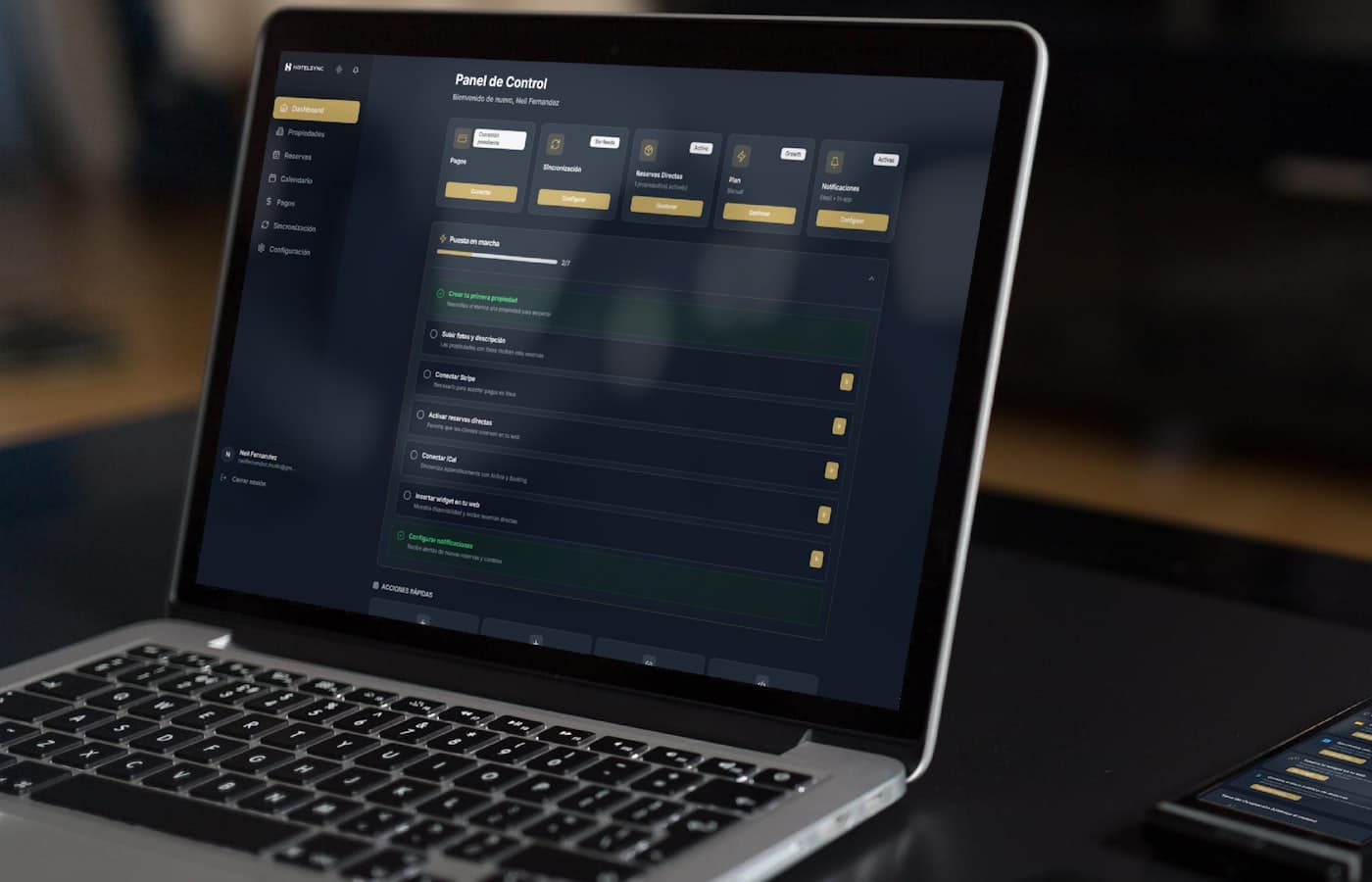
Dashboards should also be treated as an operations tool, not a decorative extra. A useful business dashboard does not just show totals. It helps a manager see what needs action first, which jobs are delayed, which quotes are still open, what site conditions changed, where stock or service issues are repeating, and which customer workflows are stuck. If a software project includes dashboards but no real decision path behind them, the team ends up with visibility that still does not improve action.
Customer-facing workflows can create just as much value when they remove repeated manual communication. Many businesses lose time answering the same status questions, collecting the same documents twice, or explaining next steps one customer at a time. A tailored portal, order flow, service dashboard, or progress view can reduce that load while making the business look more reliable and easier to work with.
How to scope the rollout
South African operations also need practical software design, not only polished interfaces. Connectivity conditions, mixed user skill levels, role-based access, long approval chains, field activity, and hardware-linked workflows all shape what the system needs to do. That is especially true when the business also works with devices, monitoring systems, electronics, or manufacturing processes. The software has to fit the operation that already exists while still giving the team room to scale.
A sensible project brief usually starts with five questions. Where is work being retyped? Where do approvals stall? Which field actions are poorly captured? Which customer updates are still manual? Which dashboards would help a team make faster decisions every day? Those questions create a much stronger custom software scope than asking for a generic CRM, portal, or app without defining the real operational friction first.
What stronger delivery looks like
ExpandoWorks supports custom business software development in South Africa for teams that need portals, dashboards, mobile apps, operational workflows, and systems that can work alongside embedded electronics, IoT deployments, manufacturing processes, or existing business operations. That makes it a good fit for projects where software has to improve the real workflow, not only the front-end presentation.
If your business is planning custom software development in South Africa, start by identifying the bottlenecks that cost time every week. The strongest first automation is usually the one that reduces repeated admin, improves status visibility, shortens approvals, and gives the next person in the workflow what they need immediately. Once that part works, the rest of the system becomes much easier to scale.