Overview
Black carbon is often discussed as if it is a separate air-quality problem from particulate monitoring, but for most site teams the practical starting point is simpler: black carbon is closely tied to combustion-related fine particulate pollution. It is commonly associated with diesel activity, open burning, some industrial combustion sources, and other processes where fuel does not burn completely.
That makes black carbon important for South African monitoring discussions because many operating environments are influenced by traffic, generators, boilers, waste handling, mining-adjacent activity, informal burning, industrial processes, or busy transport routes. A site may not begin by asking for a specialist black carbon instrument. It may begin with complaints about smoke, soot, dust, odour, or visible emissions, and then need a better way to understand when those conditions occur.
What the site needs to answer
The first thing to understand is that black carbon is not the same as total PM2.5. Black carbon is a component of fine particulate matter, while PM2.5 is a broader size-based measurement that includes many particle types. Direct black carbon measurement normally needs a specific measurement approach. PM2.5, PM10, weather context, location history, and site observations can still help teams understand patterns, but they should not be presented as a direct black carbon reading unless the monitoring method is designed for that purpose.
That distinction matters in procurement. If a team needs formal black carbon reporting, the scope should define the measurement method, reporting standard, data-quality expectation, calibration path, and whether the data will be used for internal awareness, stakeholder reporting, compliance support, or research. If the goal is operational screening around combustion-related events, a broader air-quality monitoring rollout may be a better first step before more specialised instrumentation is added.
What to watch during rollout
A practical rollout should start with source questions. Are the suspected events linked to trucks, backup power, burning, a neighbouring operation, an internal process, or changing weather? Are events short and sharp, or do they build across the day? Do they happen near boundaries, roads, loading areas, waste zones, schools, estates, industrial interfaces, or municipal facilities? These questions help decide where monitoring points should be placed and what other context should be captured.
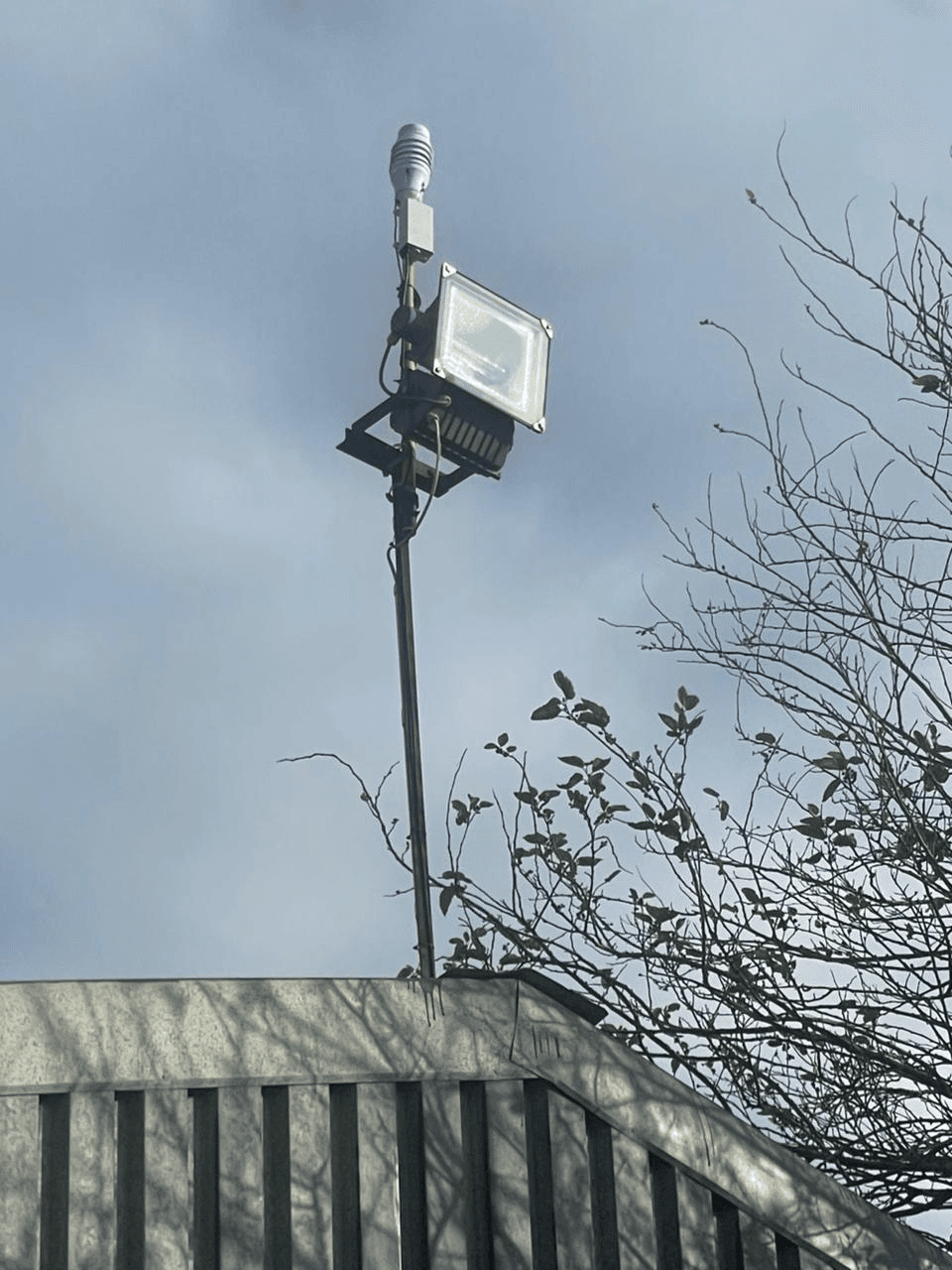
Weather context is especially useful. Wind direction, wind speed, rainfall, temperature, and time of day can help site teams interpret particulate patterns. Without that context, a spike can become difficult to explain. With it, teams can start comparing whether events occur under similar wind conditions, during specific operations, or near particular boundary areas. That is why an air-quality dashboard should support trend review rather than only showing isolated live readings.
How teams should use the data
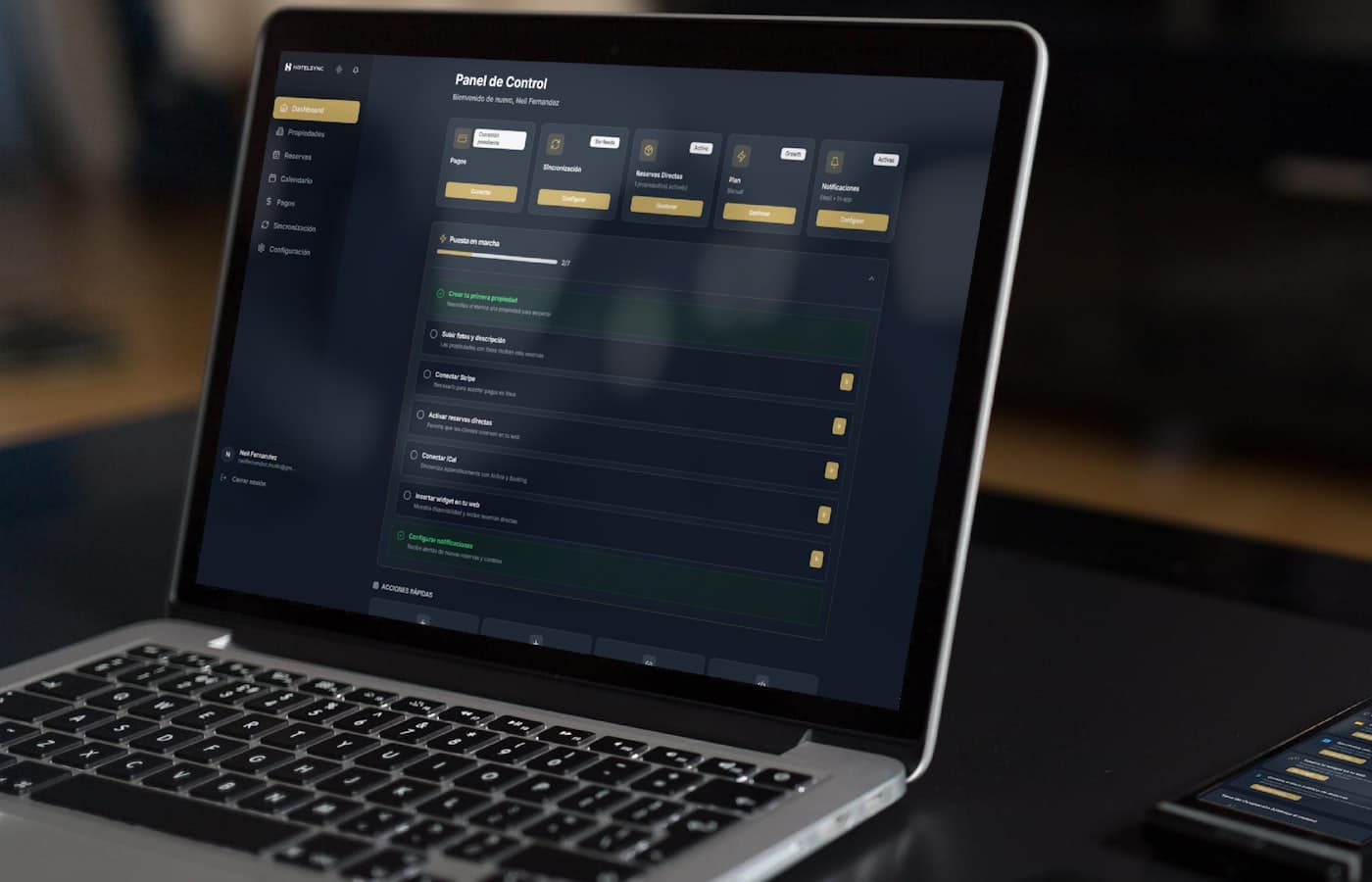
For South African facilities, estates, industrial sites, schools, municipalities, and environmental consultants, the software layer matters almost as much as the field hardware. Teams need to compare sites, review history, identify repeated patterns, and decide when a reading needs follow-up. A monitoring deployment becomes more useful when it supports decisions, not only data collection.
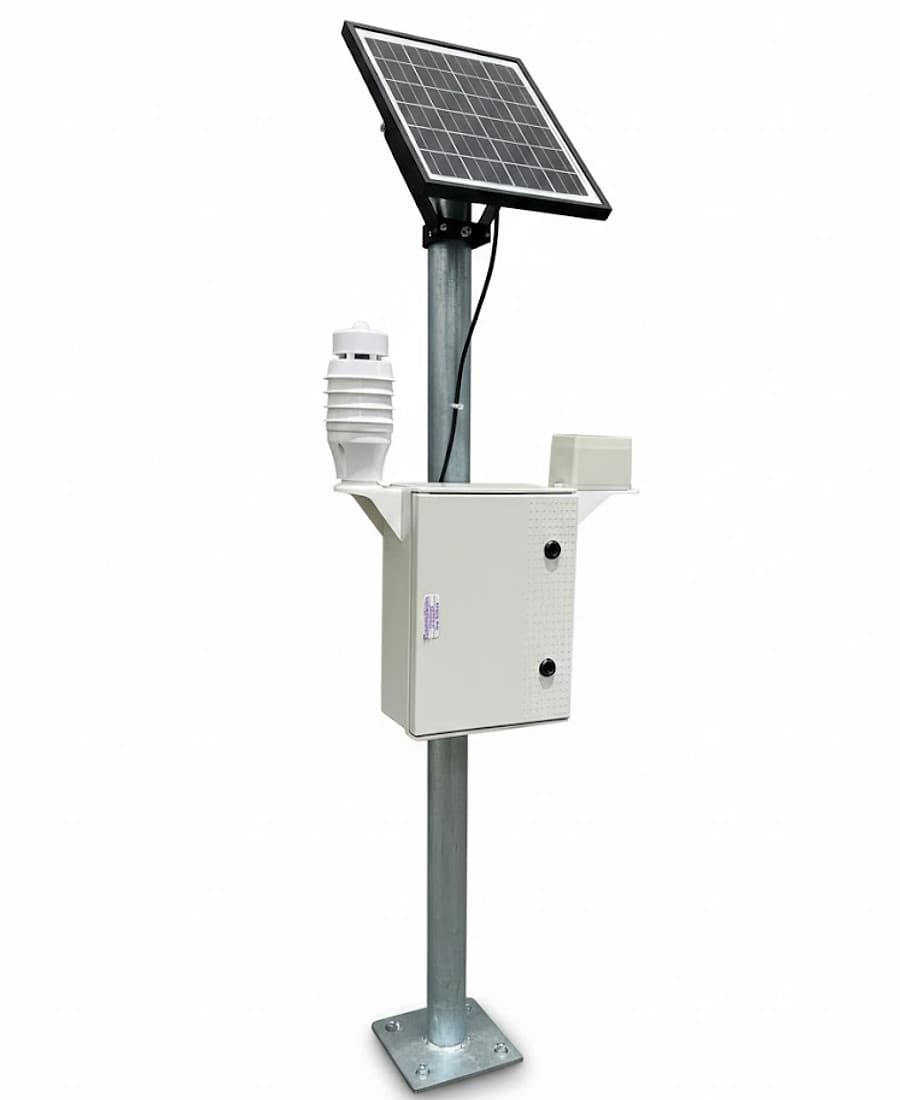
ExpandoWorks supports KyberAir, KyberMini, and KyberPortal for air-quality and environmental monitoring workflows in South Africa. For black carbon-related concerns, the sensible approach is to scope the monitoring question carefully: decide whether the project needs direct black carbon measurement or operational particulate visibility, define the likely sources, place monitoring points around real site questions, and use the dashboard to compare trends over time.
What better deployment support looks like
If your team is investigating soot, combustion-related particulate matter, diesel activity, smoke complaints, or black carbon concerns, start with a clear monitoring brief. Define the source questions, the reporting need, the locations that matter, and whether PM2.5 and site context are enough for the first rollout or whether a specialist black carbon measurement path is required. That gives the project a stronger technical foundation and makes the data easier to use in real operational conversations.