Overview
Black carbon and PM2.5 are often mentioned in the same air-quality conversation, but buyers should be careful not to treat them as identical. PM2.5 is a size-based measurement for fine particles. Black carbon is one component of fine particulate pollution and is commonly linked to incomplete combustion, diesel activity, burning, smoke, soot, and some industrial or transport-related sources.
That distinction matters when a South African site team is trying to choose a monitoring approach. If the concern is general air-quality visibility, particulate trends, dust movement, or complaint investigation, PM2.5 and PM10 monitoring with weather context may be a useful first rollout. If the requirement is formal black carbon reporting, source apportionment, or a specific emissions study, the project needs a more specialised measurement brief and should not rely on PM2.5 alone as a substitute.
What the site needs to answer
The practical reason buyers confuse the two is that black carbon is part of the wider fine particulate picture. Fine particle readings can show that particulate conditions changed, but they do not automatically explain the particle source. A PM2.5 spike might be linked to combustion, but it could also be influenced by other fine particle sources. To make the data useful, the monitoring plan needs site context, weather context, operating logs, and a clear question behind the deployment.
For industrial sites, estates, schools, municipalities, logistics yards, and facilities teams, the starting question is often operational rather than academic: when do soot, smoke, diesel, or combustion-related complaints occur, and where are they likely coming from? That question shapes the monitoring locations. A boundary point near a road corridor answers a different question from a point near a generator, boiler, loading zone, refuse area, or neighbouring activity.
What to watch during rollout
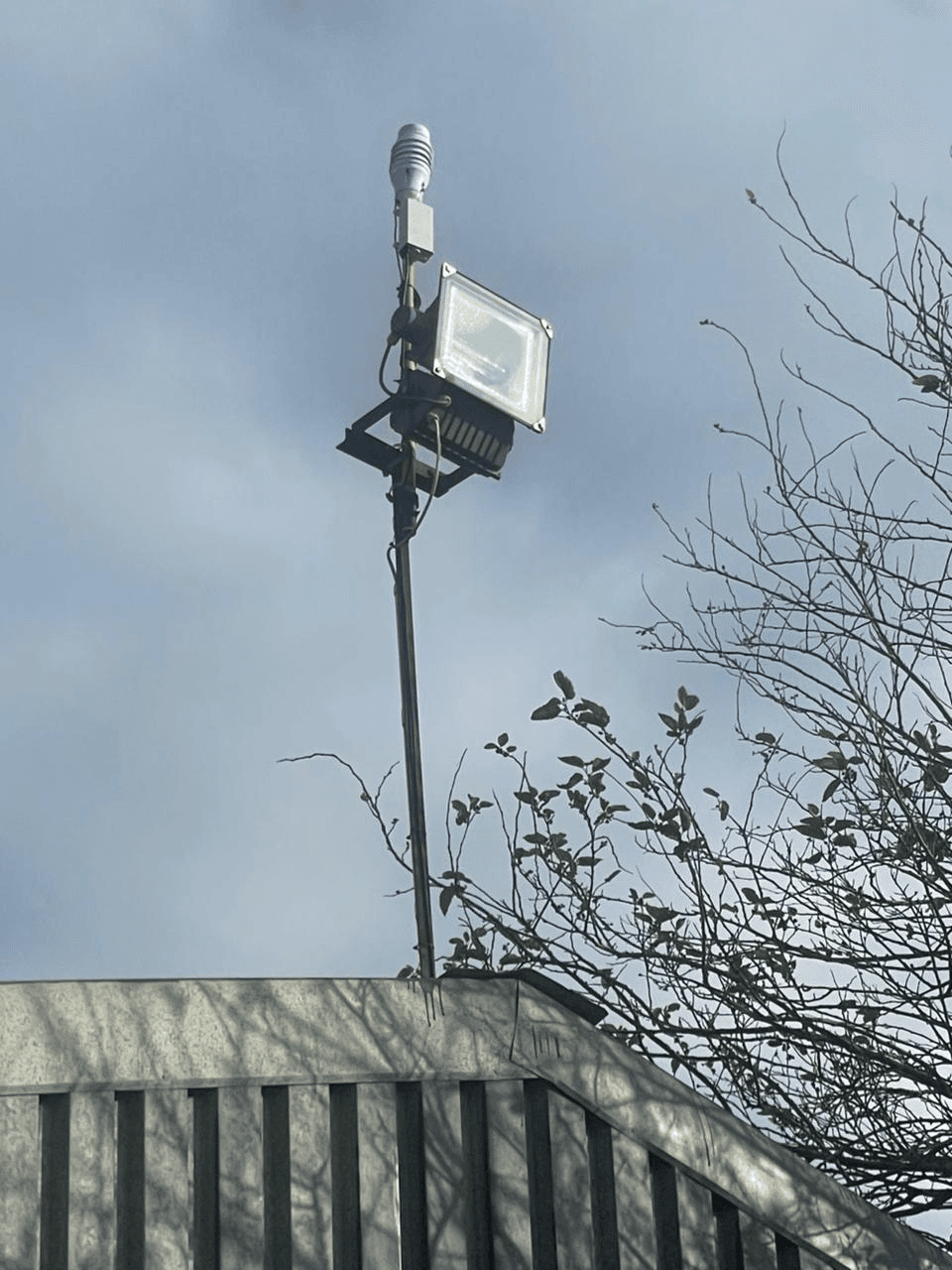
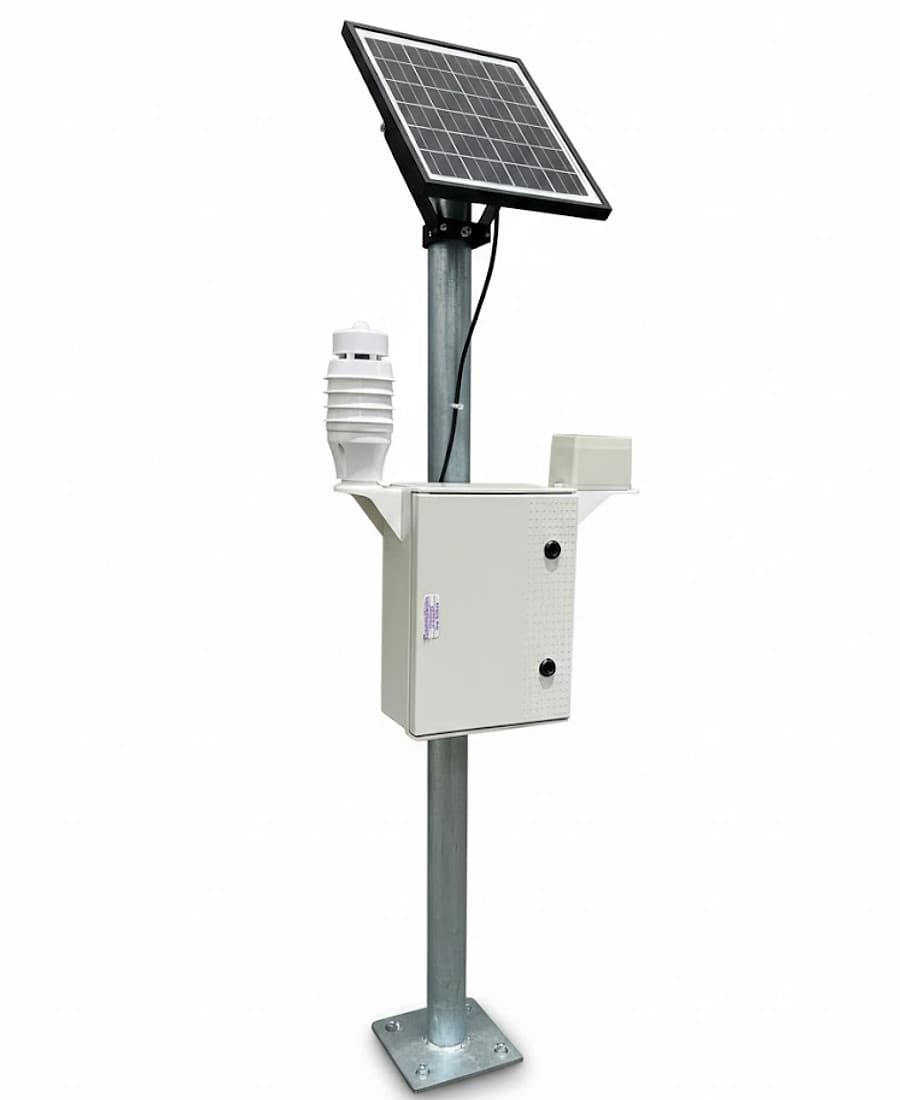
Weather data is important because combustion-related particulate events can be highly directional. Wind direction and wind speed help teams understand whether an event appears to come from inside the site, across a boundary, along a road, or from a nearby source. Without weather context, air-quality readings are harder to interpret and easier to misread. With it, site teams can compare repeat events and make better decisions about follow-up.
A good monitoring brief should also define the reporting use. Internal operational awareness, resident or community complaint response, environmental consultant review, compliance support, and research-grade reporting all require different levels of evidence. A dashboard that is useful for facilities teams may not be enough for formal black carbon quantification. The buyer should decide this before hardware is selected.
How teams should use the data
For many rollouts, a phased approach works best. Start with particulate and environmental monitoring to understand patterns, locations, and repeat events. Use the results to decide whether specialist black carbon measurement is justified. This avoids overbuying before the site question is clear, while still giving the team better visibility than waiting for a perfect study design before collecting any operational evidence.
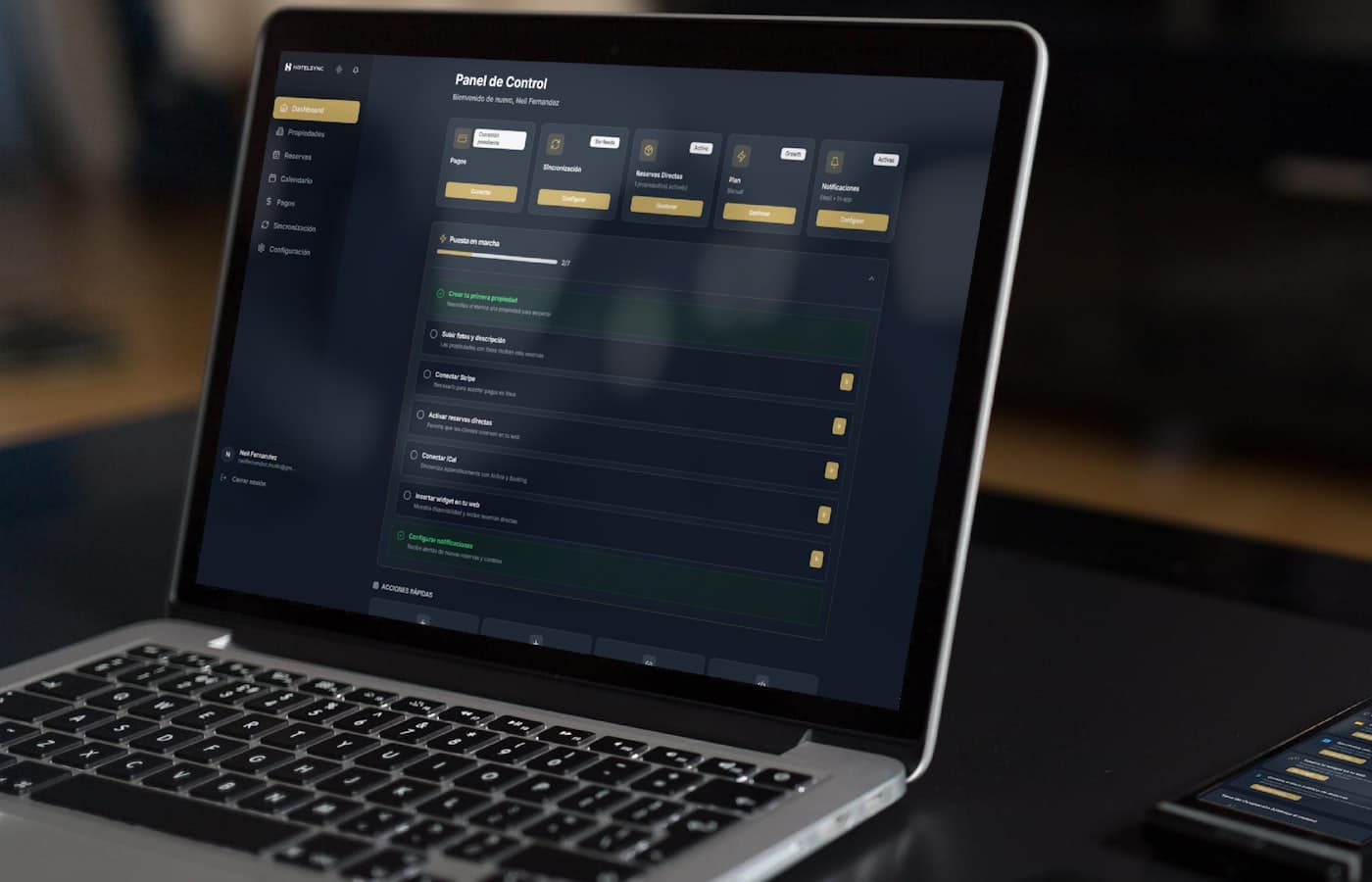
ExpandoWorks supports KyberAir, KyberMini, and KyberPortal for South African environmental monitoring workflows where teams need particulate visibility, weather context, dashboard access, and local deployment support. For black carbon-related concerns, ExpandoWorks can help scope the practical monitoring question and keep the distinction clear between particulate trend monitoring and direct black carbon measurement.
What better deployment support looks like
If your team is comparing black carbon monitoring, PM2.5 monitoring, diesel-related air-quality monitoring, or smoke and soot investigation options in South Africa, start by writing down the source question, the locations that matter, the reporting purpose, and whether direct black carbon measurement is required. That will lead to a stronger rollout than buying a monitor first and trying to define the question later.