Overview
Embedded systems projects usually slow down long before the first production run because the real operating requirements were never scoped clearly enough at the start. Teams often know the broad goal they want to achieve, but the build still depends on practical questions about the field environment, firmware behaviour, interfaces, manufacturing readiness, and long-term support.
That is especially true in South Africa, where embedded systems are often expected to bridge hardware, software, field installation, and ongoing operational use without a lot of slack between those phases. A design that looks acceptable in a prototype review can become expensive or frustrating later if the deployment conditions, enclosure assumptions, manufacturing path, or support model were not defined early enough.
Where teams lose time
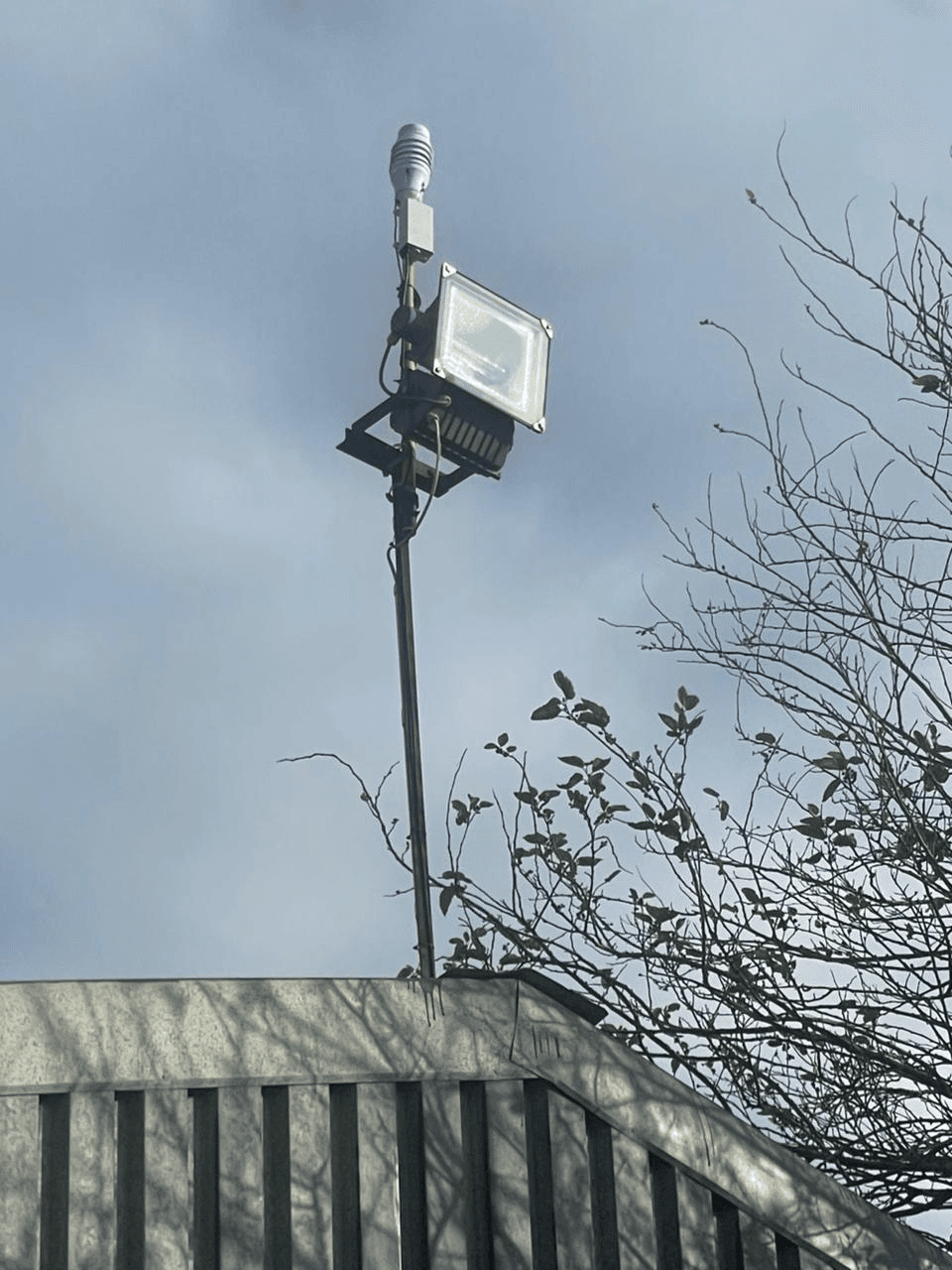
The first thing to scope is the operational role of the product. Is the system being built for remote monitoring, access control, industrial control, connected site visibility, or another field application? If that outcome is still vague, teams usually end up debating hardware decisions that are really symptoms of a missing product brief. A clearer embedded systems scope starts with what the device must do in the field and who will own it after handover.
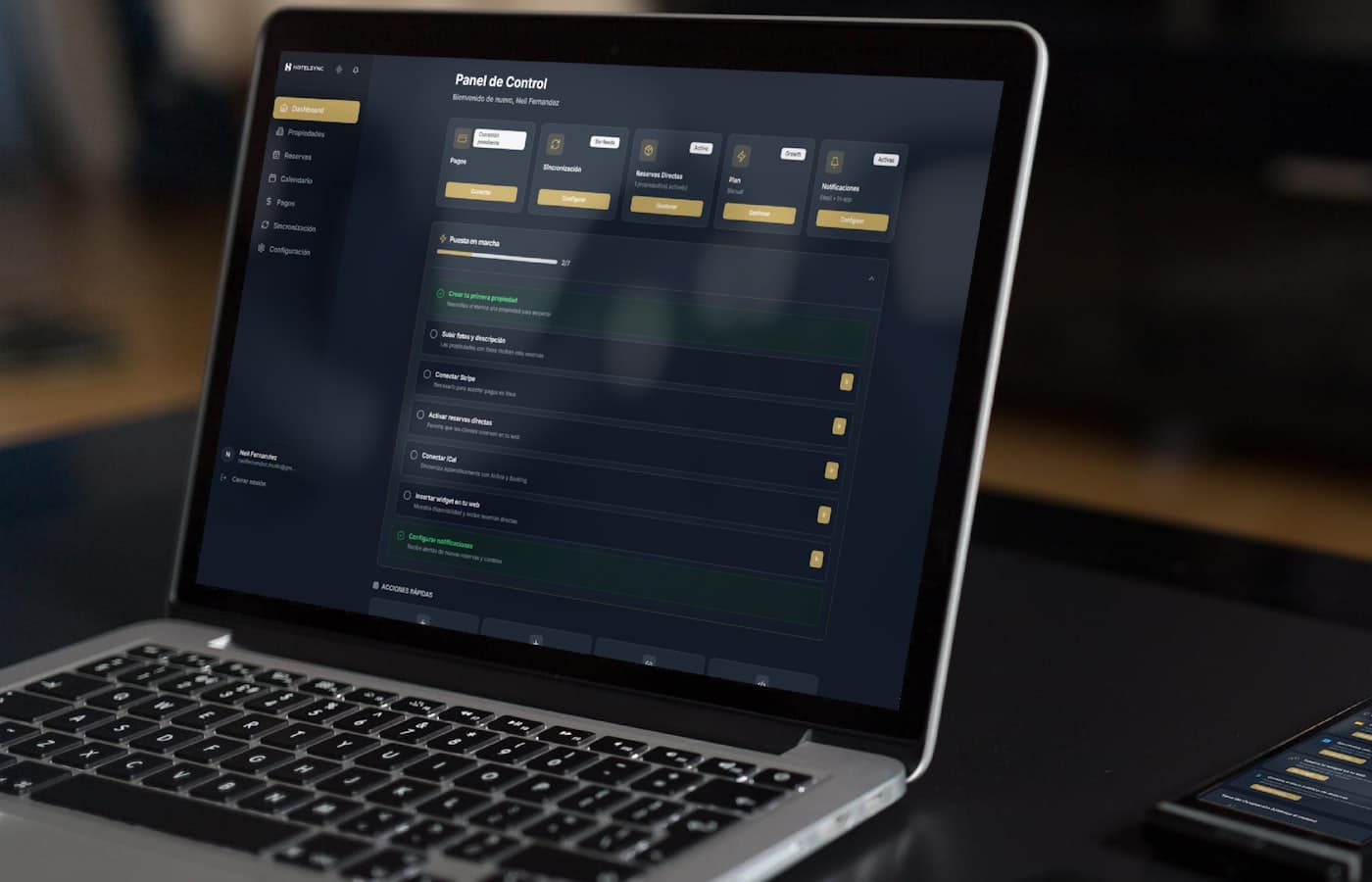
The second question is how tightly the firmware, dashboard, and physical product need to work together. A lot of embedded projects fail because those parts are treated as separate workstreams instead of one delivery path. If the device logic, reporting layer, and support workflow are closely linked, the build should be scoped as a whole system from the beginning. That reduces rework and makes later rollout changes much easier to manage.
What to automate first
Manufacturing readiness also matters earlier than many buyers expect. A prototype is useful, but a production-ready embedded system needs a cleaner path through sourcing, assembly, testing, and support. Teams comparing embedded systems development partners in South Africa should ask how quickly the design can move from bench validation to repeatable local manufacturing, and what changes will be needed before that transition is realistic.
Service and support planning is another important part of the scope. Embedded products do not stop changing after the first install. Site feedback, firmware updates, enclosure refinements, and operational adjustments all tend to arrive once the product is in real use. A stronger development path is one where the same team can support the hardware, firmware, software, and production decisions over time instead of scattering accountability across suppliers.
How to scope the rollout
That is where ExpandoWorks is strongest. The business combines embedded electronics, software, PCB manufacturing support, and practical deployment thinking in one local delivery path. For South African teams, that shortens the handoff between concept, build, rollout, and improvement work. It also makes it easier to shape a manufacturable product without losing sight of how the system will actually be used in the field.
If your team is planning embedded systems development in South Africa, the best first step is to define the real field outcome, map the hardware and software responsibilities together, and make sure the production path is part of the conversation from day one. That creates a far more durable result than treating the embedded build as just a prototype exercise.