Overview
Stephen Browne
Feb 11
What matters first
3 min read
Mining operations face growing pressure to improve safety and meet environmental, social, and governance (ESG) standards. Traditional methods of monitoring water quality and air conditions often rely on manual sampling and paperwork, which can be slow, error-prone, and costly. Real-time monitoring sensors, such as the KyberMini, offer a practical solution to these challenges by providing continuous, accurate data that supports safer mining environments and easier ESG compliance.
Where teams get stuck
The Challenge of Mining Safety and ESG Compliance
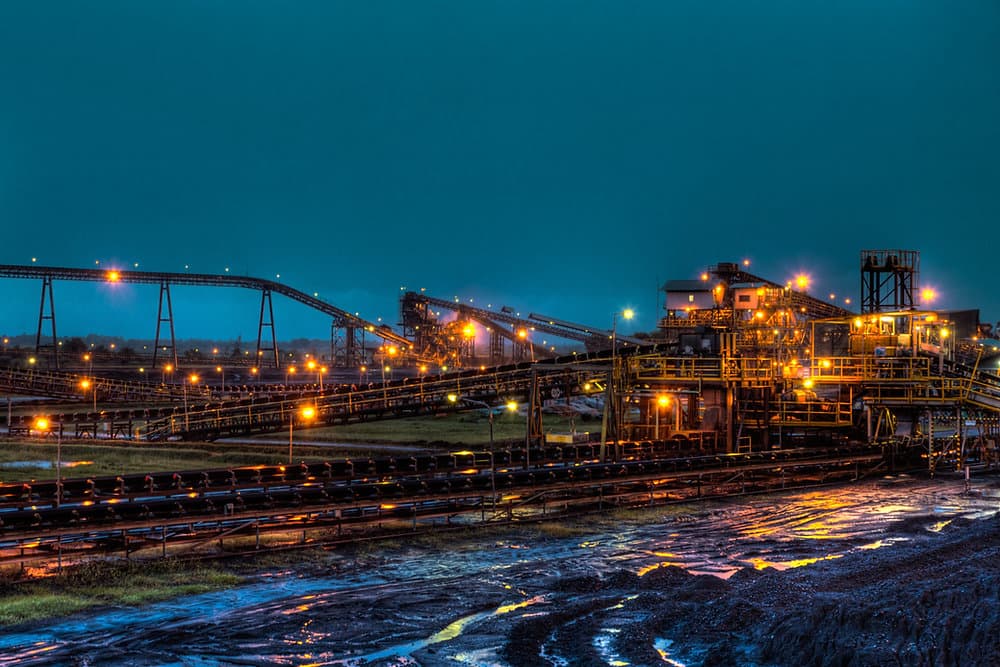
Mining activities can impact the environment and local communities through water pollution, dust emissions, and hazardous gases. Regulators and investors increasingly demand transparent reporting and proactive management of these risks. Meeting ESG compliance requires mining companies to:
How to improve the rollout
Monitor water quality to prevent contamination of nearby rivers and groundwater.
Track air quality to control dust and harmful gases that affect workers and residents.
What to do next
Maintain accurate records for audits and reporting without excessive manual work.
Manual monitoring involves collecting samples, sending them to labs, and filling out paperwork. This process can delay responses to environmental hazards and increase the risk of non-compliance.
Section 6
How Real-Time Sensors Improve Safety and Compliance
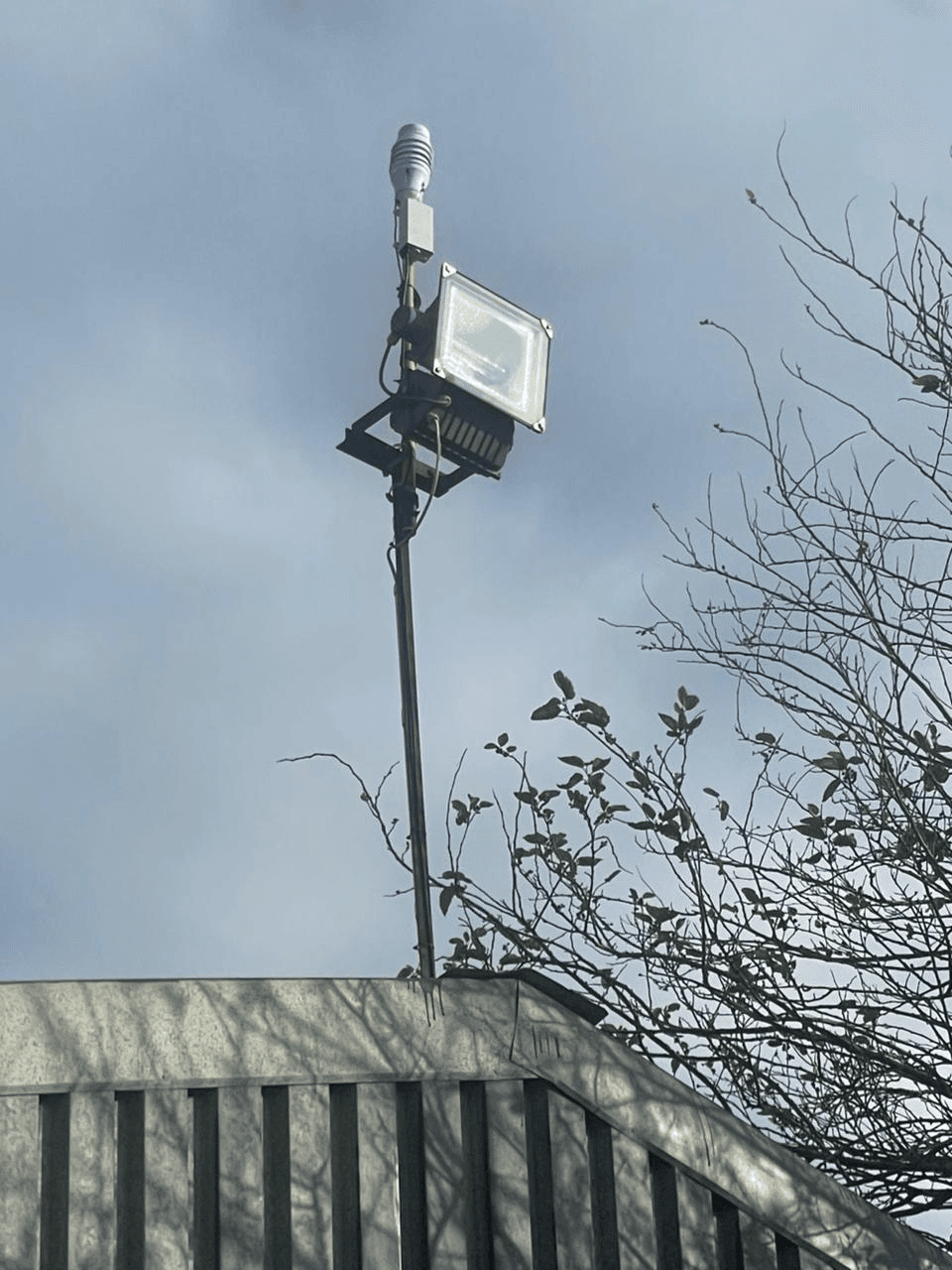
Real-time water quality and air monitoring sensors provide continuous data streams that allow mining operators to detect problems immediately. Devices like the KyberMini are compact, easy to install, and capable of measuring multiple parameters such as pH, turbidity, temperature, particulate matter, and gas concentrations.
Section 7
Benefits of Real-Time Monitoring
Immediate Alerts: Sensors can trigger alarms if water or air quality falls outside safe limits, enabling quick action to protect workers and the environment.
Section 8
Reduced Manual Work: Automated data collection eliminates the need for frequent sampling and paperwork, saving time and reducing human error.
Accurate Records: Digital logs provide reliable evidence for ESG audits and regulatory reporting.
Section 9
Better Decision-Making: Continuous data helps identify trends and optimize operations to minimize environmental impact.
For example, a mining company using real-time sensors detected a sudden rise in turbidity in a nearby stream. The alert allowed them to stop operations temporarily and investigate the source, preventing a major contamination event.
Section 10
Practical Steps to Implement Real-Time Monitoring
Mining companies can follow these steps to integrate real-time sensors into their safety and ESG programs:
Section 11
Assess Monitoring Needs: Identify critical water and air quality parameters relevant to the site and local regulations.
Select Suitable Sensors: Choose devices like the KyberMini that cover required measurements and fit site conditions.
Section 12
Install Sensors Strategically: Place sensors at key points such as water discharge areas, ventilation shafts, and worker zones.
Set Alert Thresholds: Define safe limits based on regulatory standards and operational guidelines.
Section 13
Train Staff: Ensure personnel understand how to interpret sensor data and respond to alerts.
Integrate Data Systems: Connect sensors to centralized platforms for real-time visualization and reporting.
Section 14
Review and Adjust: Regularly analyze data trends to improve environmental controls and safety measures.
Case Study: Real-Time Monitoring in Action
Section 15
A copper mine in South America implemented KyberMini sensors to monitor water quality in nearby rivers and air quality in underground tunnels. Within months, the system detected elevated levels of particulate matter and changes in water pH linked to a malfunctioning filtration system. The mines environmental team responded immediately, fixing the issue before it caused harm or regulatory penalties.
The continuous data also helped the company demonstrate compliance during audits, reducing the time and cost of manual reporting. Workers reported feeling safer knowing that air quality was constantly monitored.
Section 16
Overcoming Common Concerns
Some mining operators worry about the cost and complexity of installing real-time sensors. However, the long-term savings from avoiding fines, reducing manual labor, and preventing accidents often outweigh initial investments. Many sensors are designed for rugged environments and require minimal maintenance.
Section 17
Data security and integration with existing systems are also important. Choosing sensors with secure wireless communication and open data formats can simplify these challenges.
The Future of Mining Safety and ESG Compliance
Section 18
As ESG standards tighten and technology advances, real-time monitoring will become a standard part of mining operations. Sensors will expand their capabilities, offering more precise measurements and predictive analytics to prevent incidents before they happen.
Mining companies that adopt these tools early will gain a competitive edge by improving safety, reducing environmental impact, and building trust with regulators and communities.