Overview
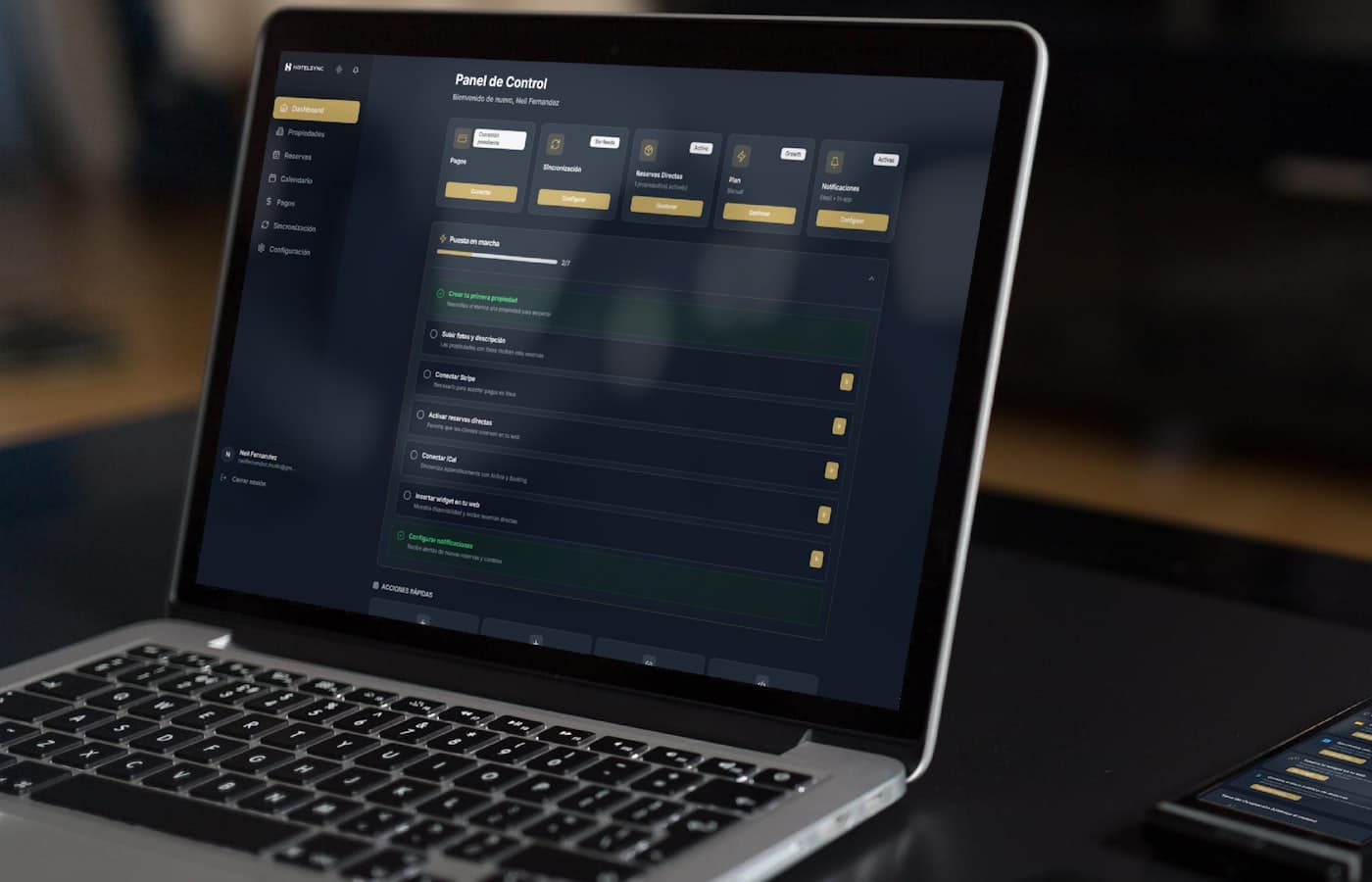
Environmental monitoring software is often described as if it is just the place where the graph appears after the sensor is installed. In practice, the platform matters just as much as the hardware because it determines whether operators can review, compare, escalate, and act on the data without friction.
For South African monitoring projects, the first question is not whether the software can display a chart. It is whether the platform helps the right people make decisions. Operations teams, environmental managers, facilities staff, consultants, and reporting stakeholders usually need different views of the same deployment. A useful dashboard should make that workflow easier instead of forcing every user into the same narrow view of the data.
Where teams lose time
Multi-site comparison is one of the biggest dividing lines between weak and useful monitoring software. A system that works for one monitoring point can become frustrating very quickly when the rollout grows to multiple estate locations, industrial zones, school buildings, municipal sites, or perimeter positions. Operators should be able to compare locations, review time periods, and understand exceptions without exporting raw data every time a question needs an answer.
Alerting and escalation are equally important. Monitoring software should not only store historical readings. It should help teams see when a site needs attention, understand which stakeholders need to be informed, and keep the review process moving. That is especially important when the monitoring is tied to recurring complaints, environmental review, or service-delivery reporting rather than passive technical observation.
What to automate first
Reporting workflow is another practical requirement. Operators often need more than a live dashboard. They may need recurring reviews, evidence for internal decisions, support for stakeholder communication, or a clear site history when conditions change. Software that makes trend review difficult or splits the information across disconnected interfaces adds work at exactly the moment the platform should be reducing it.
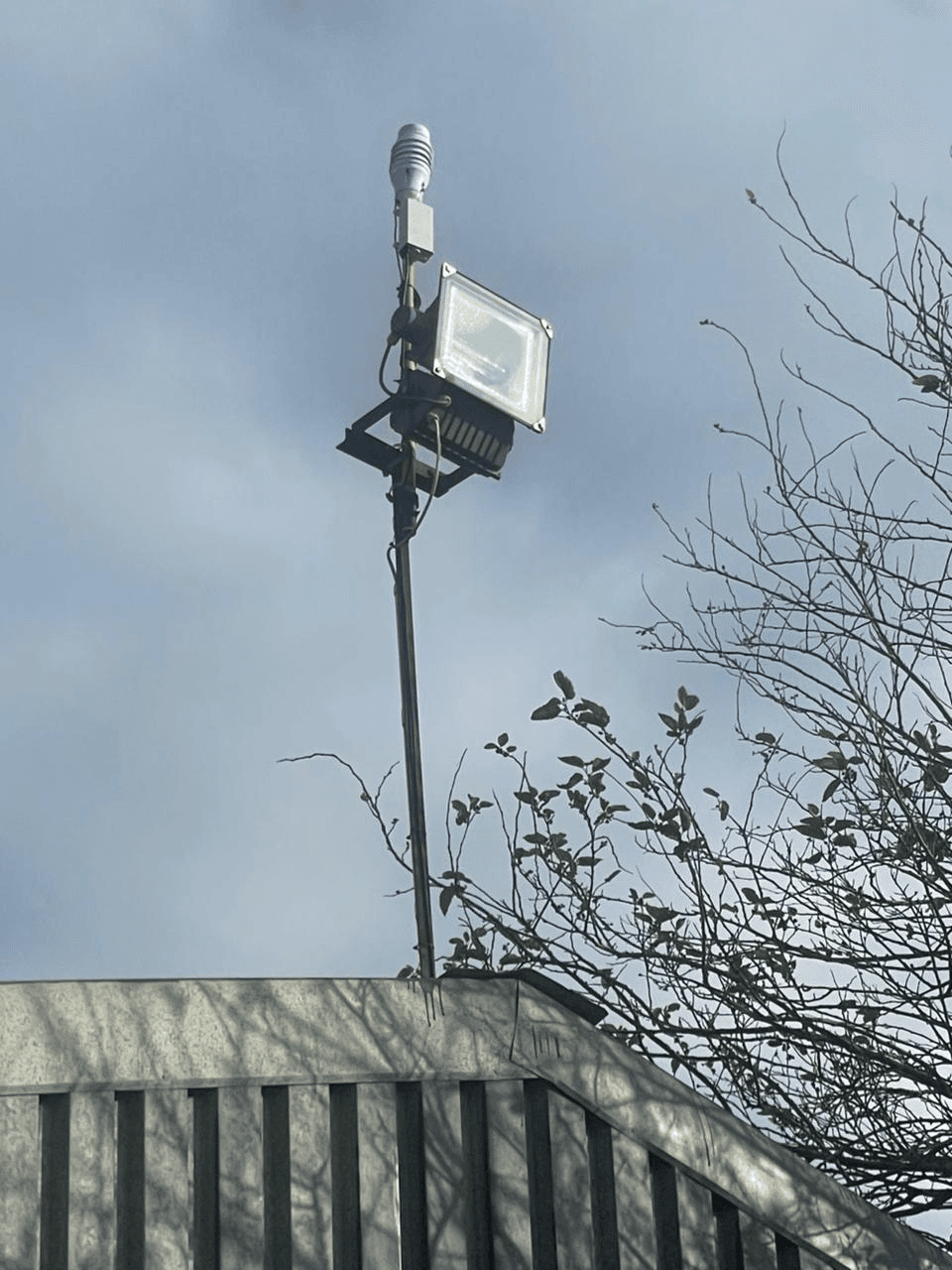
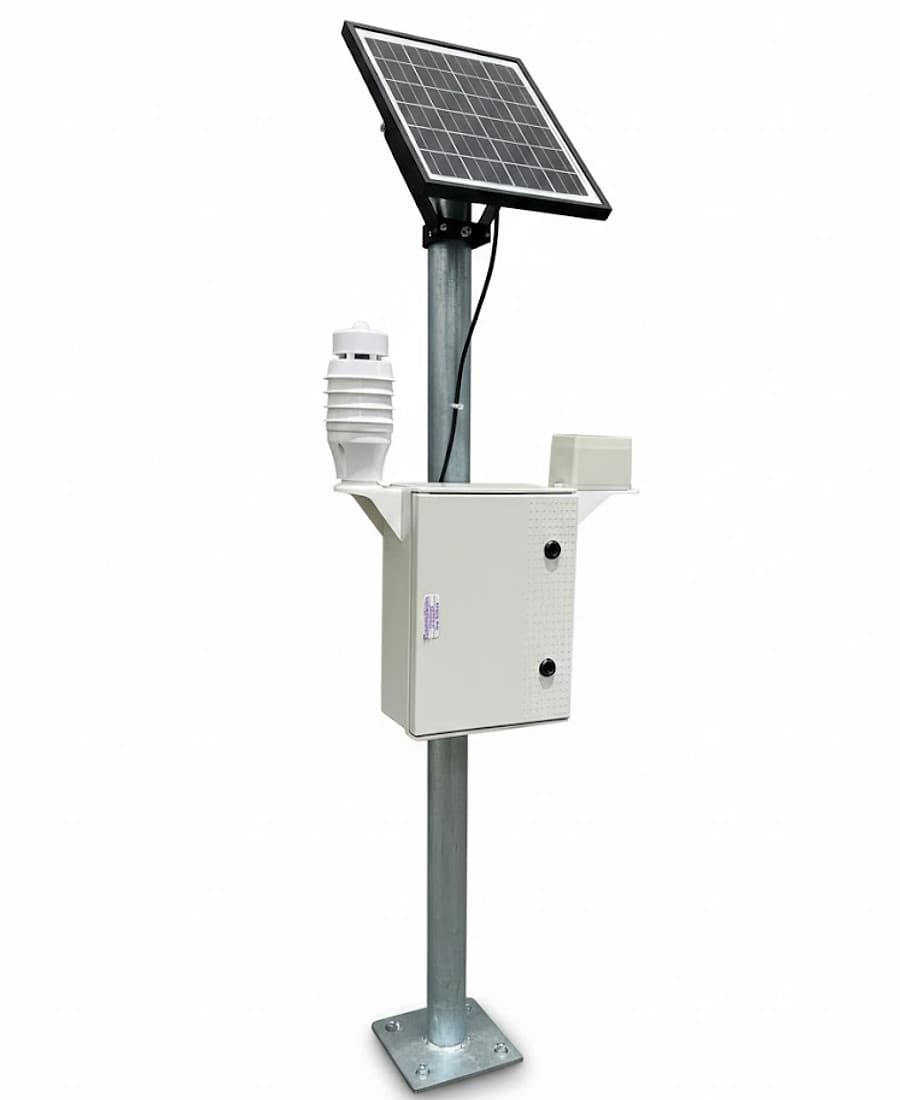
This is why hardware and platform alignment matters. If the monitoring devices, dashboard logic, and support team all sit in different places, even a small deployment change can become slow and frustrating. A stronger model is one where the same delivery path supports the field hardware, the dashboard workflow, and the practical changes that happen after rollout.
How to scope the rollout
KyberPortal is positioned as that operational layer for KyberAir and KyberMini deployments. It gives South African teams a central platform for reviewing environmental, particulate, and site data without treating the dashboard as a disconnected add-on. That makes it easier to compare locations, review alerts, and use monitoring data in real operational conversations.
If your team is comparing environmental monitoring dashboard software in South Africa, do not only ask what the interface looks like. Ask how the platform supports multi-site visibility, how alerts and history are handled, how reporting fits into the workflow, and whether the supplier can support both the monitoring hardware and the software over time. That is where the real long-term value shows up.