Overview
Estate air quality monitoring is rarely about one device on one wall. For most South African property teams, the real question is how to build enough visibility across roads, entrances, shared facilities, and boundary areas to understand where complaints, dust, or air-quality changes are actually coming from.
That matters because estates usually operate across several different environments at once. Main gates, internal roads, construction interfaces, perimeter zones, shared recreation areas, parking zones, and service corridors can all behave differently. A monitoring rollout becomes much more useful when those locations can be compared through one dashboard instead of being treated as isolated readings with no wider context.
What the site needs to answer
Property teams should start by deciding what the operational question really is. Some estates need visibility around dust or particulate conditions near roads and development areas. Others need a record for recurring resident complaints, boundary discussions, or environmental review. Some want better day-to-day awareness for facilities management. If that purpose is vague, the rollout often ends up as a hardware purchase with no clear response workflow behind it.
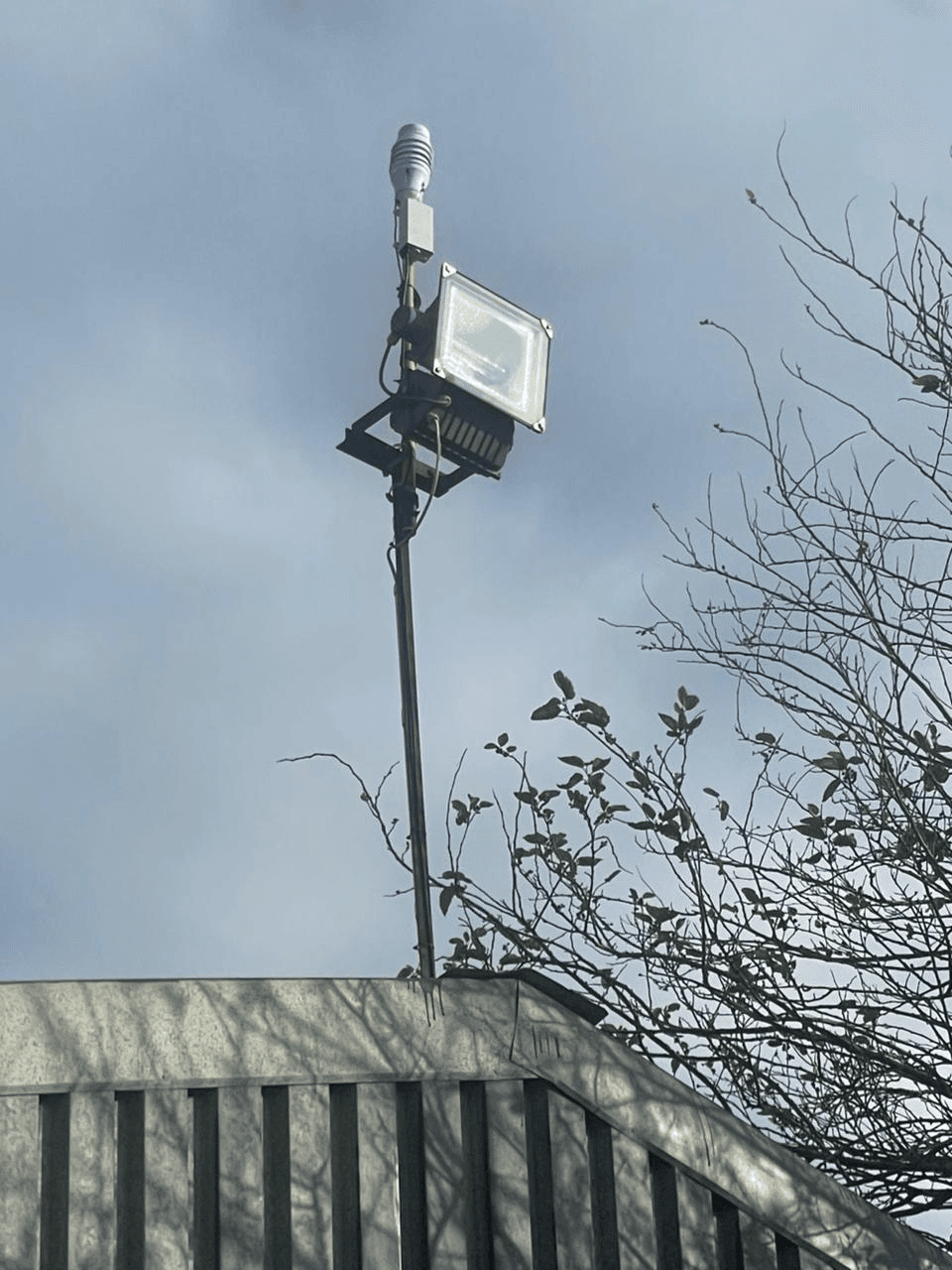
The next step is to map the monitoring points around the parts of the estate that shape resident experience or operational risk. That may include busy access points, development edges, internal traffic routes, outdoor amenities, refuse areas, or perimeters that face surrounding communities. The value comes from choosing positions that can be reviewed together so site teams can compare how different parts of the estate behave over time.
What to watch during rollout
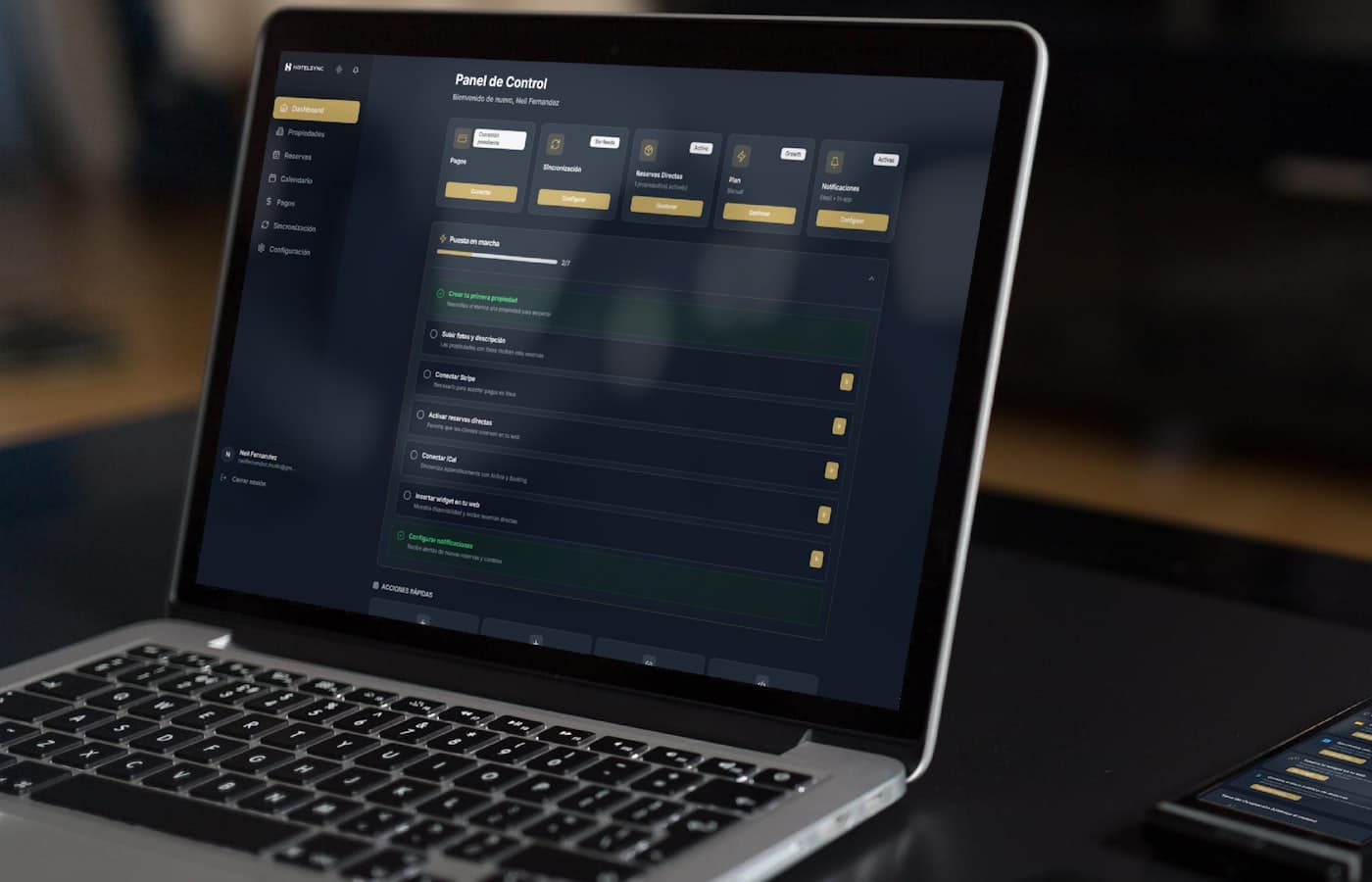
Dashboard workflow matters just as much as the field hardware. Estate managers, facilities teams, environmental consultants, and operations staff often need different views of the same monitoring data. A practical system should make it easy to review trends, compare locations, watch for exceptions, and share the right information when a question escalates beyond routine facilities work. That is where KyberPortal matters. The dashboard layer should support action, not just display data.
Escalation planning is another part of the scope that buyers often underestimate. Estates should decide early who reviews the dashboard, what kind of alert or trend requires follow-up, how external complaints will be logged against monitoring history, and who signs off if additional points need to be added later. A rollout that starts with one or two monitoring locations can grow quickly once teams see the operational value, so the support model needs to be clear from the start.
How teams should use the data
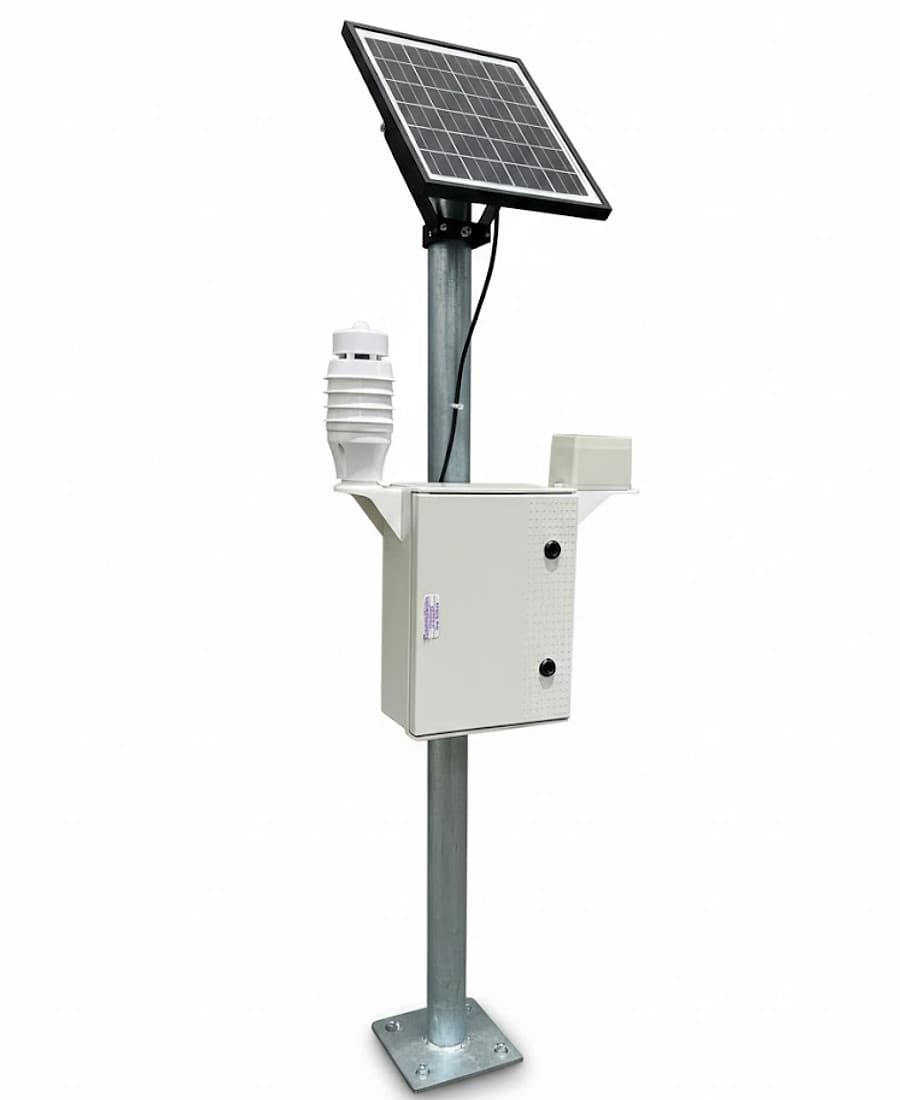
Local support makes a difference when the deployment has to evolve. Property environments change, development activity shifts, and facilities teams often need practical adjustments after installation. ExpandoWorks supports KyberAir and KyberPortal from Johannesburg, which gives estates a shorter path from monitoring feedback to rollout improvement.
If your estate is planning air quality monitoring in South Africa, the strongest starting point is to define the operational question, map the zones that matter, decide how the data will be reviewed, and choose a rollout model that can expand cleanly. That creates a much stronger system than buying isolated monitors without a wider estate workflow behind them.