Overview
Indoor environmental monitoring projects usually become more valuable when they stop being treated as a single-room sensor decision and start being scoped as an operations question. Facilities teams often do not only need to know what one device reads in one space. They need to compare rooms, buildings, and shared areas in a way that helps them decide what to do next.
That matters in South African facilities environments because offices, classrooms, meeting spaces, reception areas, shared work zones, and larger building footprints can all behave differently. Occupancy patterns, ventilation choices, building age, weather shifts, and room usage all influence how indoor conditions are experienced. A stronger monitoring rollout helps teams review those differences instead of forcing every room into the same assumption.
What the site needs to answer
The first thing facilities teams should track is the operating question behind the deployment. Some sites need indoor air quality visibility because of recurring comfort complaints. Others are trying to compare ventilation conditions across several rooms or buildings. Some need a longer-term record for school, campus, or property operations. If that goal stays vague, the rollout can easily become a disconnected hardware purchase with no clear review process behind it.
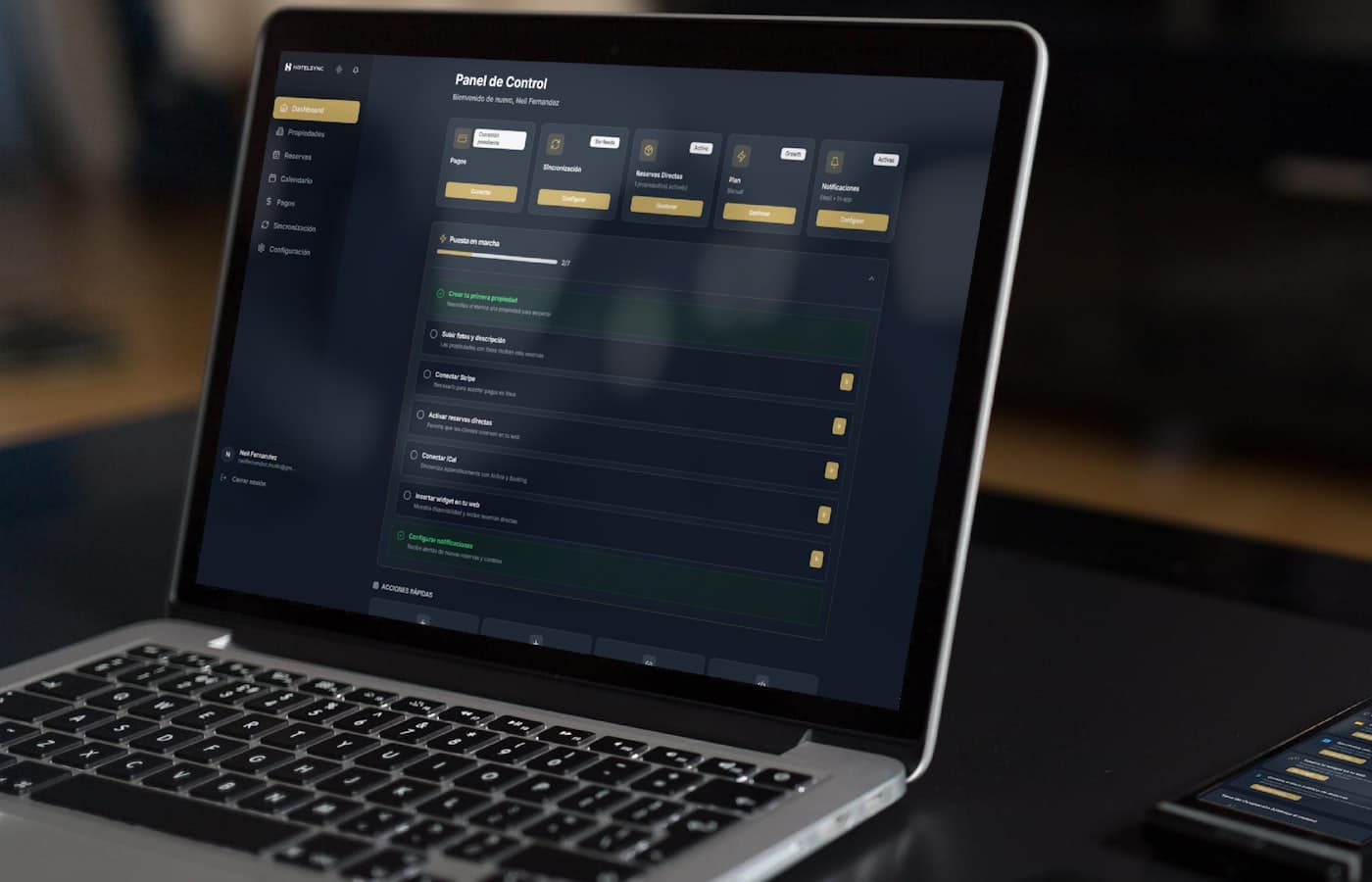
The second question is whether the monitoring can be reviewed centrally. Indoor environmental monitoring becomes much more useful when facilities teams can compare locations through a dashboard instead of reading isolated devices one by one. That is where the software layer matters. If a team is responsible for more than one room, one building, or one site, a practical dashboard and trend view usually make the difference between a useful deployment and a forgotten device.
What to watch during rollout
Context also matters more than a single reading. Indoor monitoring decisions often depend on how conditions change over time, how one room compares to another, and whether a pattern is repeated under similar occupancy or building-use conditions. A stronger deployment gives teams a way to compare trends, review exceptions, and decide when a change in operation or site setup is actually justified.
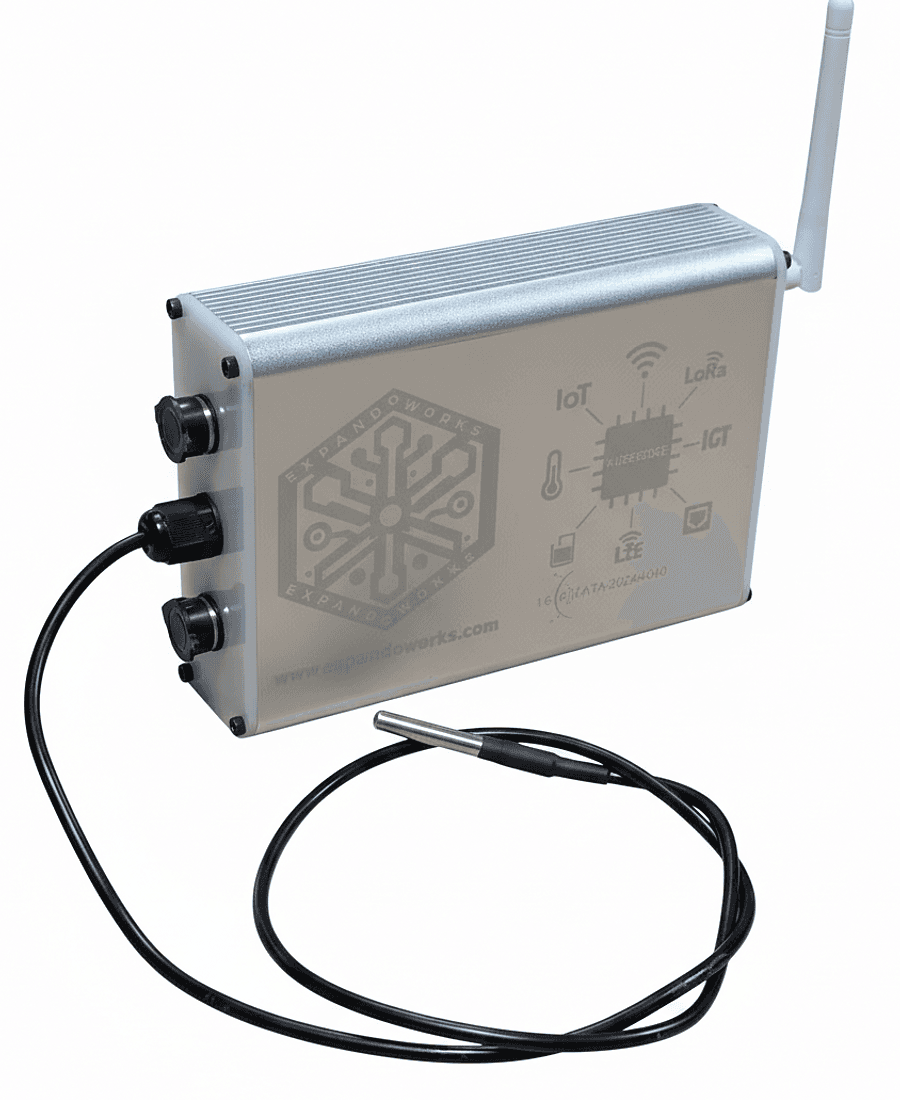
Local support becomes important once the rollout grows. Facilities teams often start with one or two locations and expand later once the operational value is clearer. ExpandoWorks supports KyberAir, KyberMini, and KyberPortal from Johannesburg, which gives South African teams a more direct path from pilot monitoring to wider building visibility without splitting hardware and dashboard responsibility across separate suppliers.
How teams should use the data
If your team is planning indoor environmental monitoring in South Africa, the best starting point is to define the facilities question, identify the rooms or buildings that need to be compared, and make sure the monitoring can be reviewed through one practical workflow. That creates a much stronger system than buying isolated indoor monitors without a wider operations plan behind them.