Overview
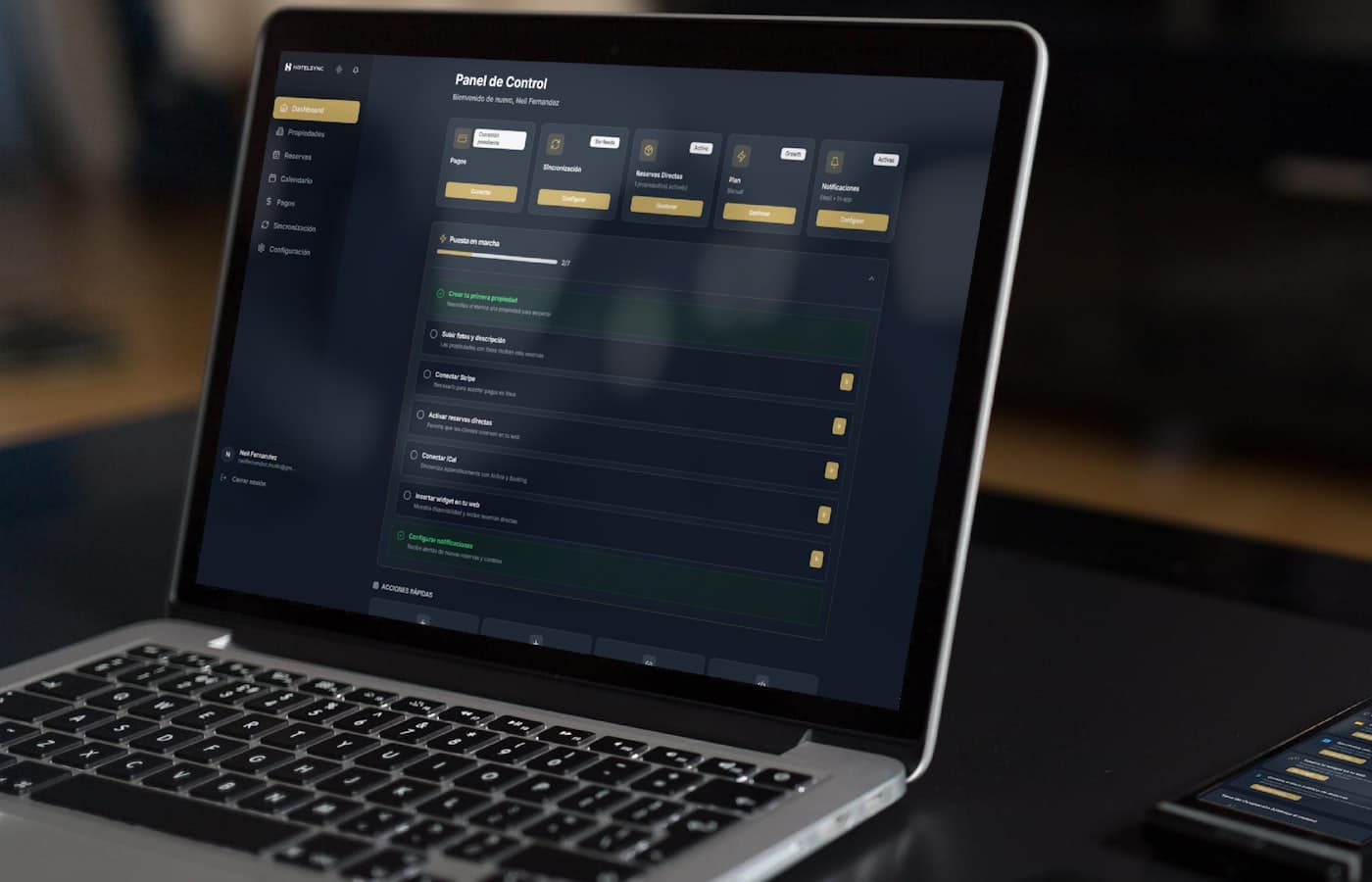
A monitoring project does not end when the sensor is installed. For most operators, the real value shows up when the data can be reviewed quickly, compared across locations, and used to support an operational decision. That is why an IoT air quality dashboard matters just as much as the monitoring hardware itself.
Teams looking for an air quality dashboard in South Africa should start with the practical questions first. Who needs to see the data? How often will it be reviewed? Will one site be monitored, or will the project grow into multiple locations, buildings, or boundary points? A dashboard that works for one sensor can become frustrating very quickly if it cannot handle multiple views and comparisons in a simple way.
What the site needs to answer
The next requirement is context. A useful dashboard should not only display particulate or gas readings in isolation. PM2.5, PM10, VOC, CO2, and weather-related values become much easier to interpret when they can be reviewed together with time, location, and site conditions. Operators should be able to see trends, unusual spikes, and differences between monitoring points without exporting raw data just to answer a basic question.
South African industrial, municipal, estate, and campus environments also need a dashboard that works well under real operating conditions. Data should be accessible remotely, simple enough for non-specialist stakeholders to review, and structured so management teams can spot patterns rather than scroll through disconnected screens. When monitoring is tied to reporting or long-term trend visibility, that usability becomes even more important.
What to watch during rollout
Another strong buying question is whether the dashboard is supported by the same team that supports the hardware. If sensor changes, connectivity adjustments, or new monitoring points are added later, operators benefit from a system where the platform and the field devices are part of one deployment stack. That reduces the delay between a site issue, a software change, and a practical solution.
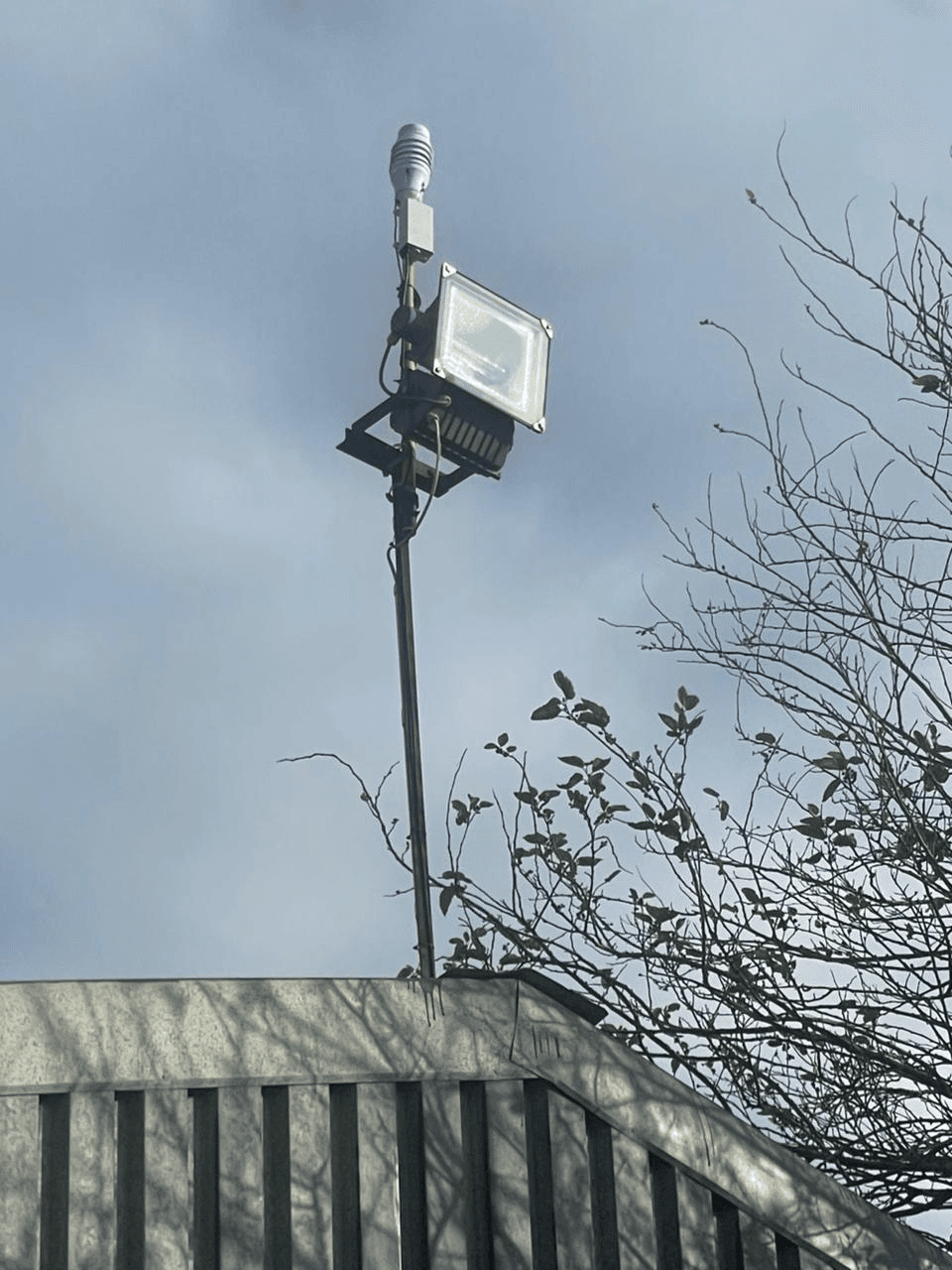
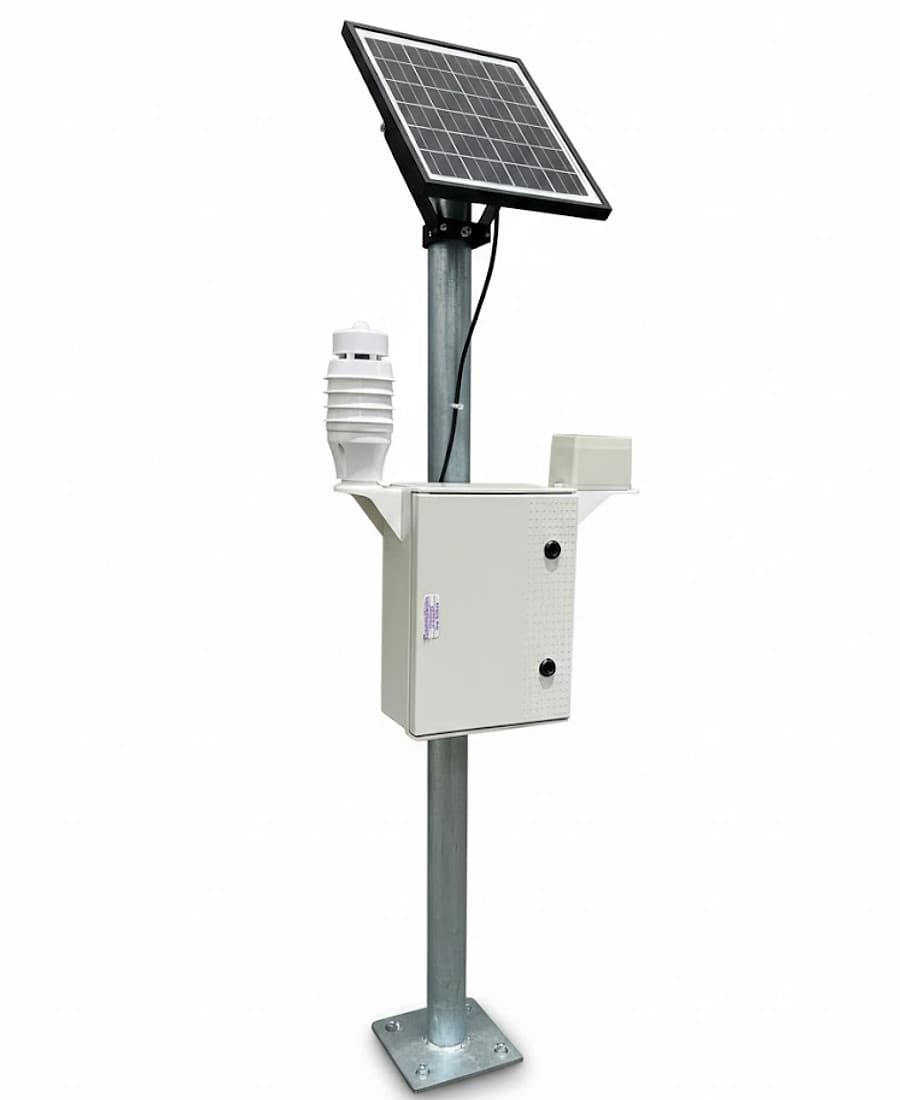
KyberPortal is designed to support that operational layer for KyberAir and KyberMini deployments. It helps teams review air-quality, particulate, weather, and environmental monitoring data through a central platform rather than managing separate device-level interfaces. That matters for sites that need to compare locations, review site history, or grow from a pilot into a wider monitoring rollout.
How teams should use the data
If your team is comparing IoT air quality dashboard options in South Africa, do not only ask what the dashboard looks like. Ask how it handles multiple sites, how it supports particulate and weather context, how quickly operators can interpret the data, and whether the supplier can support both the monitoring hardware and the platform over time.
For teams that need a field-ready air quality dashboard linked to a local South African monitoring stack, ExpandoWorks can scope KyberAir, KyberMini, and KyberPortal around the operational requirements of the site.