Overview
Stephen Browne
Feb 6
What the site needs to answer
3 min read
Battery life remains one of the biggest challenges for engineers designing IoT sensors. Devices often die earlier than expected, causing frustration and increased maintenance costs. Understanding why this happens and how to extend battery life can save time and money while improving device reliability. This post explains key factors that drain IoT sensor batteries and offers practical ways to improve power efficiency, focusing on sleep modes, transmission intervals, and battery chemistry. The Kyber-Mini series provides a real-world example of how thoughtful design can optimize power use.
What to watch during rollout
Why IoT Sensor Batteries Die Early
IoT sensors often operate in remote or hard-to-reach locations, so battery longevity is critical. Several factors contribute to premature battery drain:
How teams should use the data
Continuous or frequent data transmission : Wireless communication consumes significant power. Sensors that transmit data too often use more energy.
Insufficient use of sleep modes : Many sensors stay active longer than necessary. Without deep sleep or low-power modes, the device wastes energy.
What better deployment support looks like
Battery chemistry mismatch : Choosing the wrong battery type for the application can limit capacity and lifespan.
Environmental conditions : Temperature extremes and humidity affect battery performance and sensor electronics.
Section 6
Power-hungry components : Sensors with inefficient hardware or firmware can drain batteries faster.
Understanding these factors helps engineers design systems that balance performance with power consumption.
Section 7
Using Sleep Modes to Save Power
Sleep modes reduce power consumption by shutting down or reducing activity in parts of the sensor when not in use. Different levels of sleep mode offer varying power savings:
Section 8
Light sleep : CPU and peripherals run at reduced speed or with limited functions.
Deep sleep : Most components shut down except for essential timers or wake-up sources.
Section 9
Hibernate : The sensor enters near-zero power state, requiring external events to wake.
To maximize battery life:
Section 10
Program the sensor to spend most of its time in deep sleep or hibernate.
Use interrupts or timers to wake the sensor only when needed.
Section 11
Minimize the duration of active periods for sensing and transmission.
For example, the Kyber-Mini series uses aggressive deep sleep modes combined with quick wake-up times. This approach reduces average current draw to microamp levels, extending battery life by months or years depending on usage.
Section 12
Optimizing Transmission Intervals
Wireless transmission is one of the most power-intensive operations for IoT sensors. Reducing how often data is sent can dramatically extend battery life.
Section 13
Batch data transmissions : Collect sensor readings over time and send them in one packet instead of multiple small packets.
Adaptive intervals : Increase transmission intervals during stable conditions and shorten them when changes occur.
Section 14
Use low-power communication protocols : Technologies like LoRaWAN or NB-IoT offer long-range communication with lower power consumption compared to Wi-Fi or Bluetooth.
For instance, a sensor transmitting every 10 seconds may consume 5 times more power than one transmitting every minute. The Kyber-Mini series supports configurable transmission intervals, allowing engineers to tailor data frequency to application needs.
Section 15
Choosing the Right Battery Chemistry
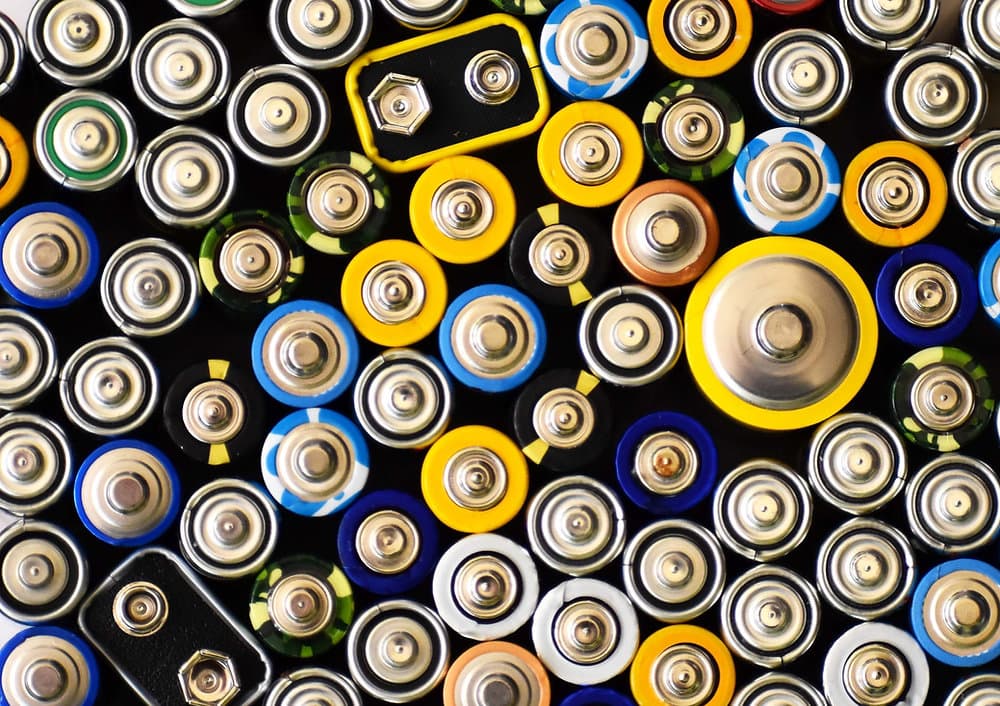
Battery chemistry affects capacity, voltage stability, temperature tolerance, and shelf life. Two common types for IoT sensors are lithium thionyl chloride (Li-SOCl2) and lithium polymer (LiPo).
Section 16
Li-SOCl2 Batteries
High energy density and long shelf life (up to 10 years)
Section 17
Wide operating temperature range (-55 degreesC to +85 degreesC)
Stable voltage output over discharge cycle
Section 18
Ideal for low current, long-term applications like remote sensors
LiPo Batteries
Section 19
Higher current capability for burst transmissions
Rechargeable, suitable for devices with energy harvesting or frequent recharging
Section 20
Limited shelf life and temperature tolerance compared to Li-SOCl2
Better for applications requiring higher power bursts or flexibility
Section 21
Choosing the right chemistry depends on the sensors power profile. The Kyber-Mini uses Li-SOCl2 batteries to maximize lifespan in low-power, long-term deployments where recharging is impractical.
Practical Tips for Engineers
Section 22
Profile your sensors power consumption in all modes to identify optimization opportunities.
Use hardware timers and interrupts to control sleep and wake cycles precisely.
Section 23
Adjust transmission intervals based on real-world data needs, not just theoretical requirements.
Select battery chemistry based on expected current draw, temperature conditions, and maintenance plans.
Section 24
Test sensors in the actual environment to validate battery life estimates.
Final Thoughts
Section 25
Extending IoT sensor battery life requires a careful balance of hardware design, firmware strategies, and battery selection. Sleep modes and transmission intervals have the greatest impact on power consumption, while battery chemistry ensures the device can meet environmental and operational demands. The Kyber-Mini series demonstrates how combining these elements leads to reliable, long-lasting IoT sensors. Engineers who apply these principles will reduce maintenance costs and improve device uptime, making their IoT deployments more successful.