Overview
Odour monitoring projects are often treated like a single hardware decision, but the real success of the rollout depends on how well the site is scoped before any unit is installed.
In South Africa, odour complaints and environmental monitoring requirements can come from landfill operations, wastewater environments, industrial processing sites, agricultural facilities, waste-transfer areas, and mixed-use boundaries near surrounding communities. Those environments behave differently, which means the monitoring plan should begin with the site outcome rather than a generic sensor list.
What the site needs to answer
The first question is simple: what is the team trying to understand or prove? Some sites need operational visibility so they can compare conditions at different points and identify when an odour event is more likely. Others need a longer-term record that supports environmental review, reporting, or response planning. A monitoring system that is right for one use case can feel incomplete for another if the scope is not clear from the start.
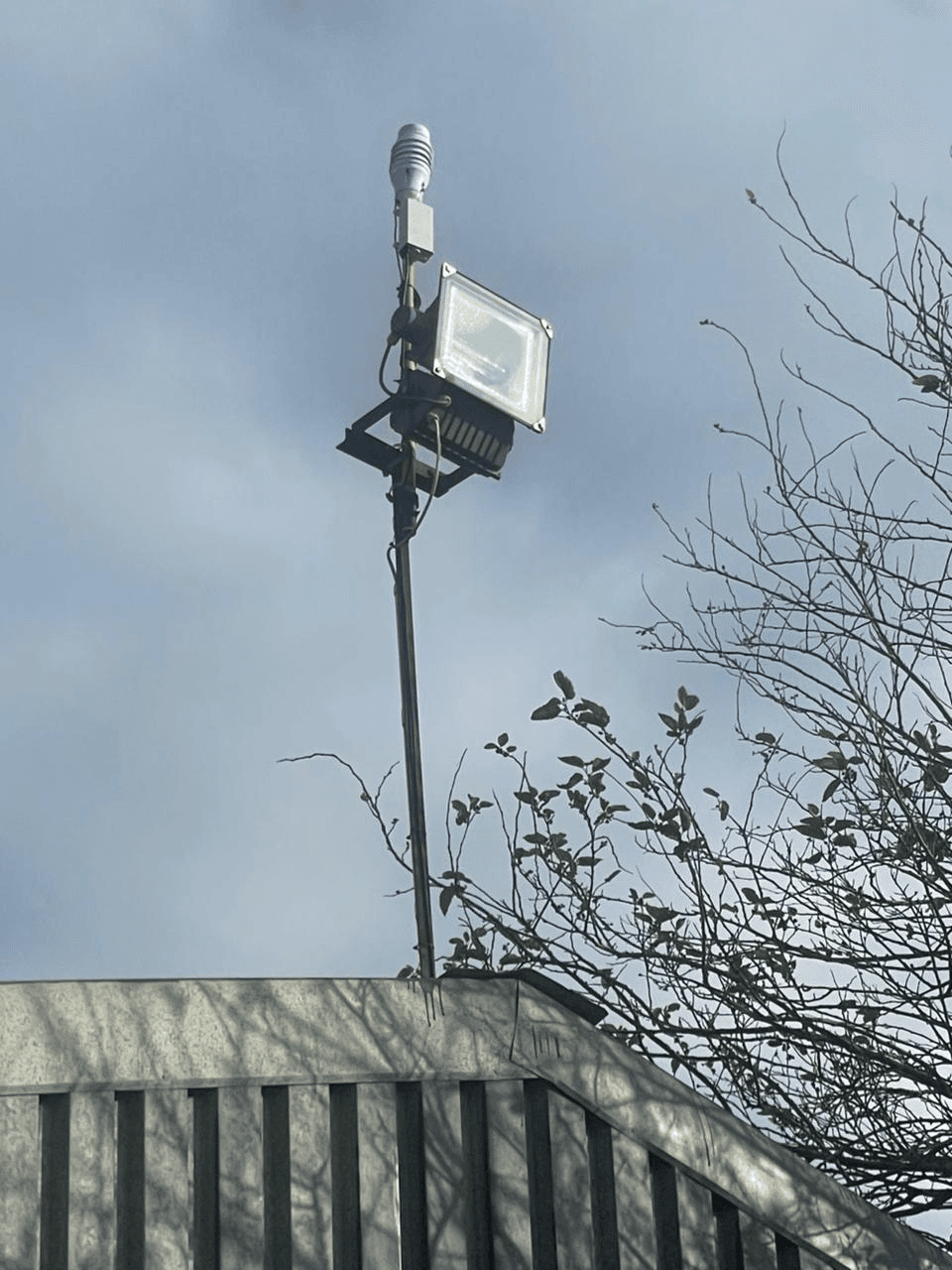
Source areas matter just as much as the sensing point. Odour monitoring becomes far more useful when operators know which process zones, storage areas, transfer points, or perimeter locations need to be watched together. If the deployment only covers one position without enough site context, teams can collect readings without gaining a clear picture of what is driving complaints or operational changes.
What to watch during rollout
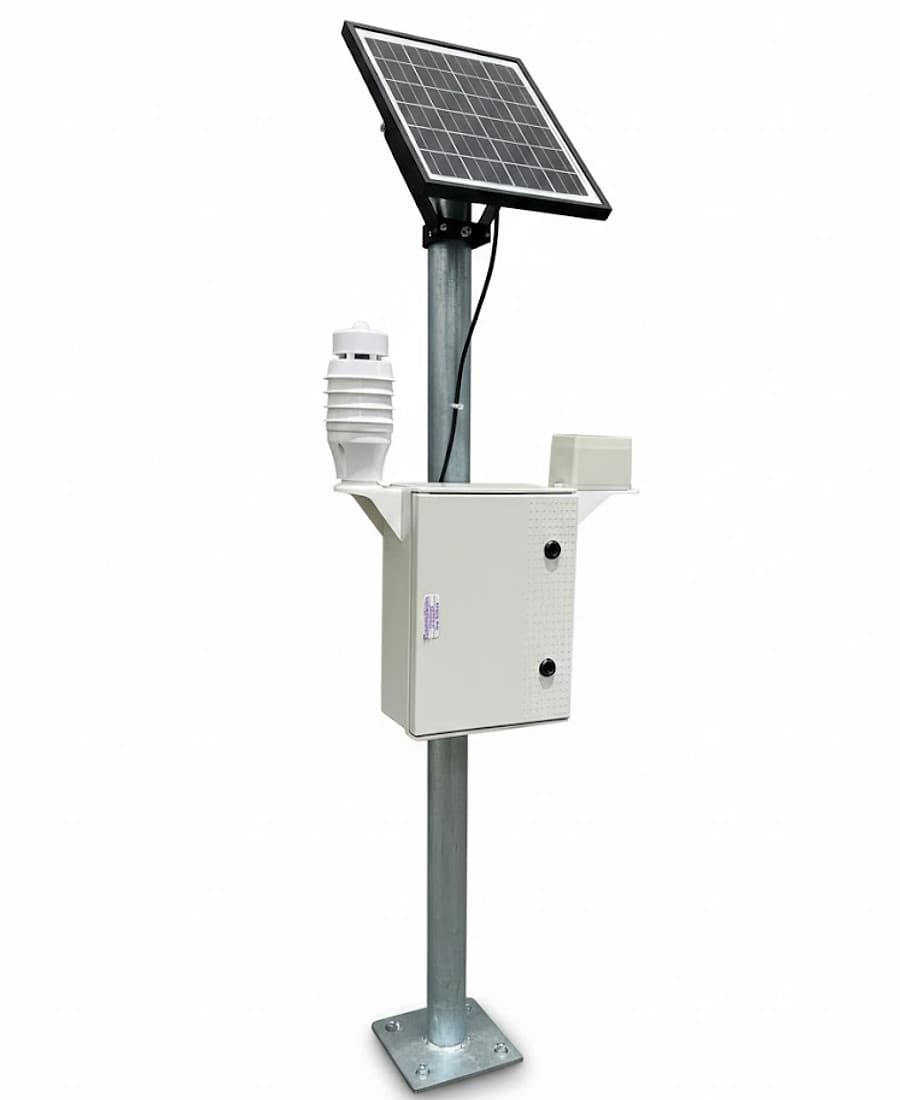
Weather context is another major part of the decision. Wind, humidity, rainfall, and temperature can all change how odour conditions are interpreted. That is why a stronger odour monitoring rollout is usually part of a wider environmental monitoring strategy rather than a stand-alone reading in isolation. Site teams comparing systems should look for a monitoring setup that can provide practical context and not just a single number on its own.
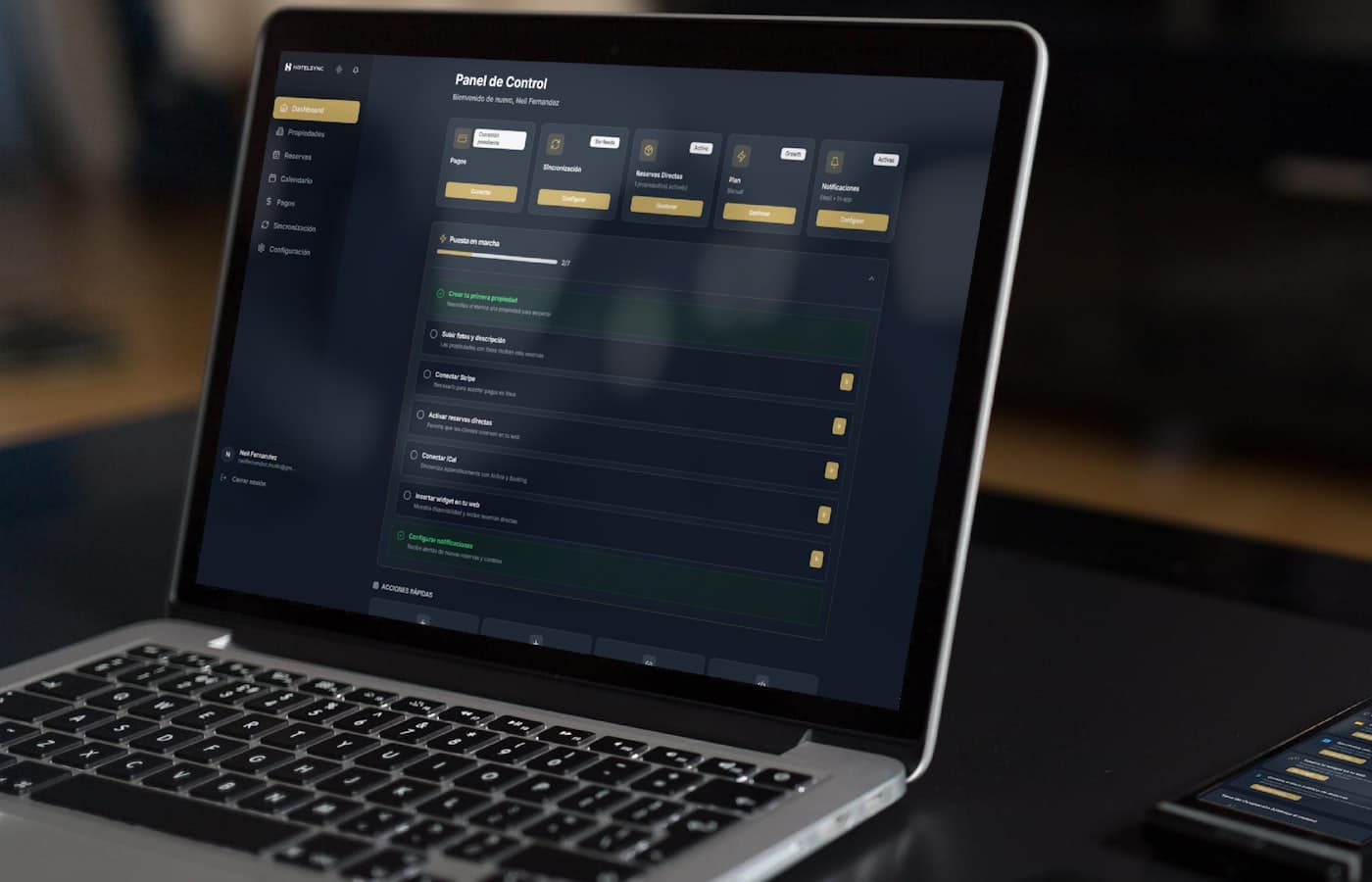
Dashboard access also matters early in the procurement process. A useful odour monitoring deployment should help operators compare time periods, locations, and site conditions through a central platform. If the data lives in disconnected devices or has to be pulled manually every time someone asks a question, the project loses much of its operational value. This is especially important for teams responsible for multiple monitoring points or repeated stakeholder reporting.
How teams should use the data
Local support becomes a differentiator when the deployment needs to change after installation. Odour and environmental monitoring projects often evolve once the first units are in the field. A site may need a new monitoring position, an adjusted enclosure approach, or a wider parameter set. ExpandoWorks supports KyberAir and KyberPortal from Johannesburg, which gives South African teams a more direct route from field feedback to practical rollout changes.
A better odour monitoring specification usually follows a clear sequence: define the site objective, identify the source and boundary areas that matter, confirm whether wider environmental context is needed, and make sure the data can be reviewed centrally through a usable dashboard. That creates a stronger deployment than buying isolated hardware and trying to fit it into operations later.
What better deployment support looks like
If your team is planning odour monitoring in South Africa, ExpandoWorks can help scope a KyberAir rollout around the real environmental and operational needs of the site.