Overview
Stephen Browne
Mar 3
What matters first
2 min read
In the face of South Africas increasingly unpredictable climate, "business as usual" is no longer enough. From the devastating floods of recent years to the sudden, destructive storms that recently battered northern KwaZulu-Natal , local municipalities are under immense pressure to move from a reactive "disaster management" mode to a proactive, data-driven "preparedness" model.
Where teams get stuck
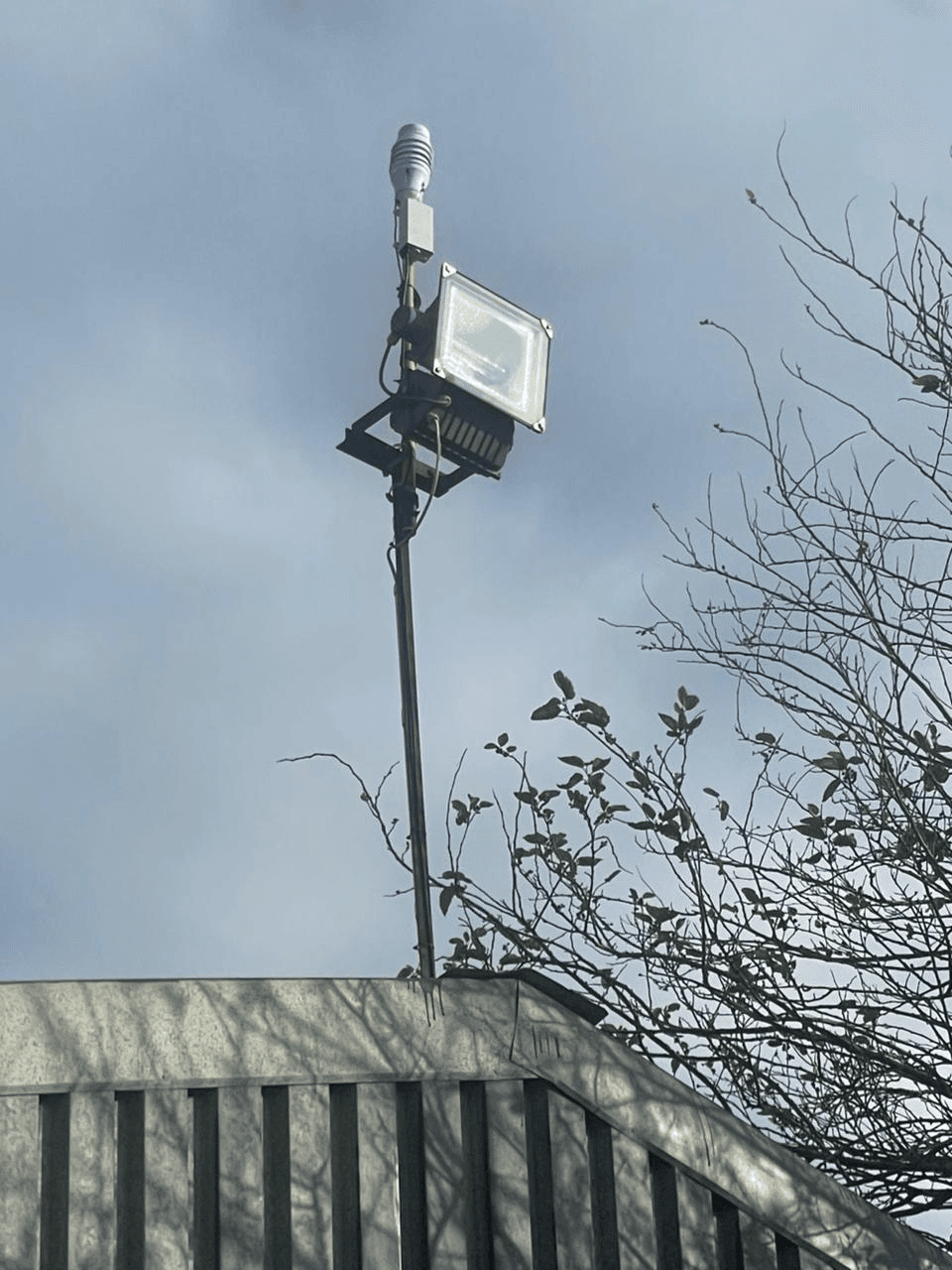
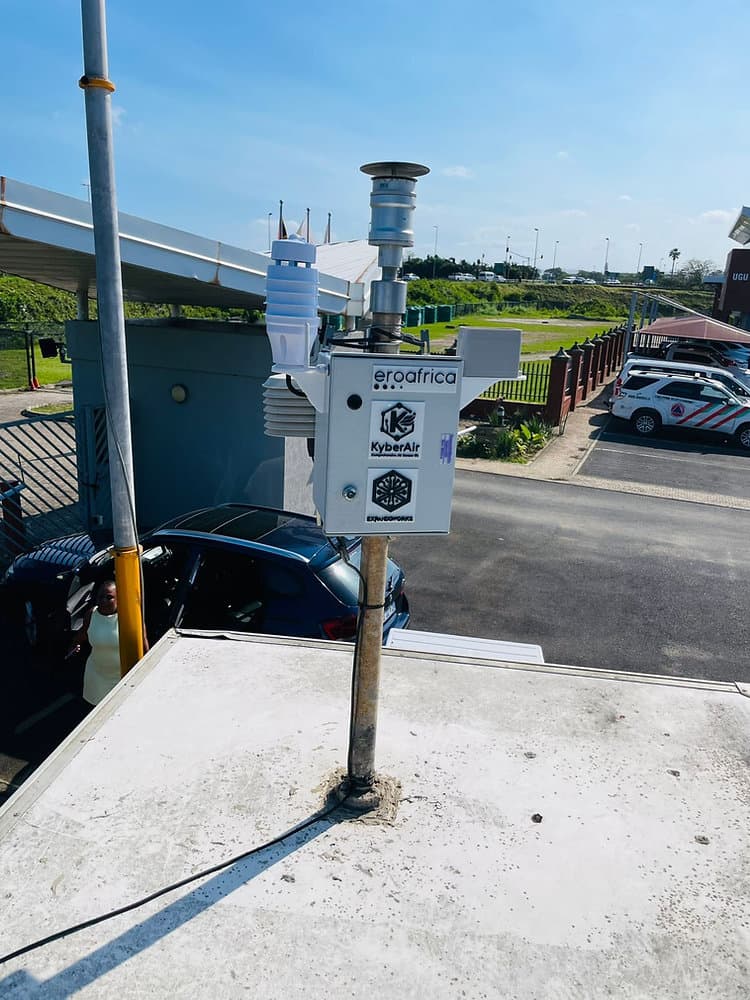
At ExpandoWorks , we believe that when infrastructure is at risk, every second counts. Thats why we are incredibly proud of our recent mission in KZN: delivering and deploying a fully functional KyberAir Weather Station within a 1-week turnaround.
KyberAir Installed in KZN, South Africa The Challenge: Data Gaps in the Eye of the Storm
How to improve the rollout
Municipalities in KZN face a unique set of atmospheric challengeshumidity that can corrode standard electronics, extreme heat, and lightning-prone summer afternoons. Many regions rely on distant regional forecasts, leaving them "blind" to hyper-local weather events that cause flash flooding or infrastructure damage.
The requirement was clear: a ruggedized, industrial-grade solution that could be integrated into the municipal grid immediately.
What to do next
The Solution: The KyberAir Advantage
Our KyberAir station isn't an off-the-shelf import. Because we design and manufacture our own PCBs and firmware right here in South Africa, we can move at a speed that traditional suppliers can't match.
Section 6
Modular Capability: The station was configured to track over 100 data endpoints , including wind speed/direction, rainfall, and critical air quality metrics like PM2.5 and CO2.
Rugged Reliability: Hardened for the African climate, the station features a low-power architecture that ensures it stays online via battery or solar, even when the local grid falters.
Section 7
Instant Visibility: Data is synced in real-time to the KyberPortal , giving municipal managers a live dashboard and automated SMS alerts to trigger early warnings for residents.
From Order to "On-Air" in 7 Days
Section 8
How did we achieve a one-week turnaround for a complex industrial deployment?
Local Control: Since we own the entire lifecycle-from the initial schematic to final assembly-we don't wait for international shipping or customs.
Section 9
Pre-Calibrated Precision: Our sensors are calibrated in-house for South African atmospheric conditions, allowing for immediate "plug-and-play" installation.
Seamless Connectivity: Using 4G LTE , we ensured the station could communicate the moment it was powered up, regardless of the local terrain.
Section 10
Why It Matters
This isn't just about hardware; it's about community resilience . With localized data, this municipality can now predict which roads might flood before the first drop of rain hits or monitor air quality spikes during local bushfires.
Section 11
At ExpandoWorks, we are committed to bridging the gap between digital infrastructure and physical electronics. This KZN deployment proves that with the right local partner, South African municipalities can build a "smarter" and safer worldone week at a time.
Is your municipality or business ready for the next season?
Section 12
Contact us today to learn how the KyberAir ecosystem can provide the data you need to protect your community.