Overview
School CO2 monitoring is often treated like a single-sensor purchase, but in practice it is an operations question. The useful question is not only whether one classroom can be monitored. It is whether facilities teams can compare multiple classrooms, buildings, or campus spaces in a way that helps them decide what to do next.
For South African schools, classrooms and halls can behave very differently depending on occupancy, ventilation, window use, room size, weather, and site layout. A standalone meter can help for local checking, but a monitoring rollout becomes more valuable when a school can compare one room with another and watch how conditions shift over time.
What the site needs to answer
That is why school CO2 monitoring should be planned together with indoor air quality monitoring. CO2 is a useful ventilation-related indicator, but it often becomes more meaningful when reviewed with indoor temperature, humidity, particulate levels, or other IAQ-related signals. The broader the context, the easier it is to explain unusual readings and decide whether a pattern needs attention.
A second practical issue is ownership. Schools should decide early who will look at the data, how often it will be reviewed, and whether the monitoring is intended for one building, one campus, or a wider group of sites. If the data lives in different devices with no dashboard view, the rollout becomes difficult to manage operationally.
What to watch during rollout
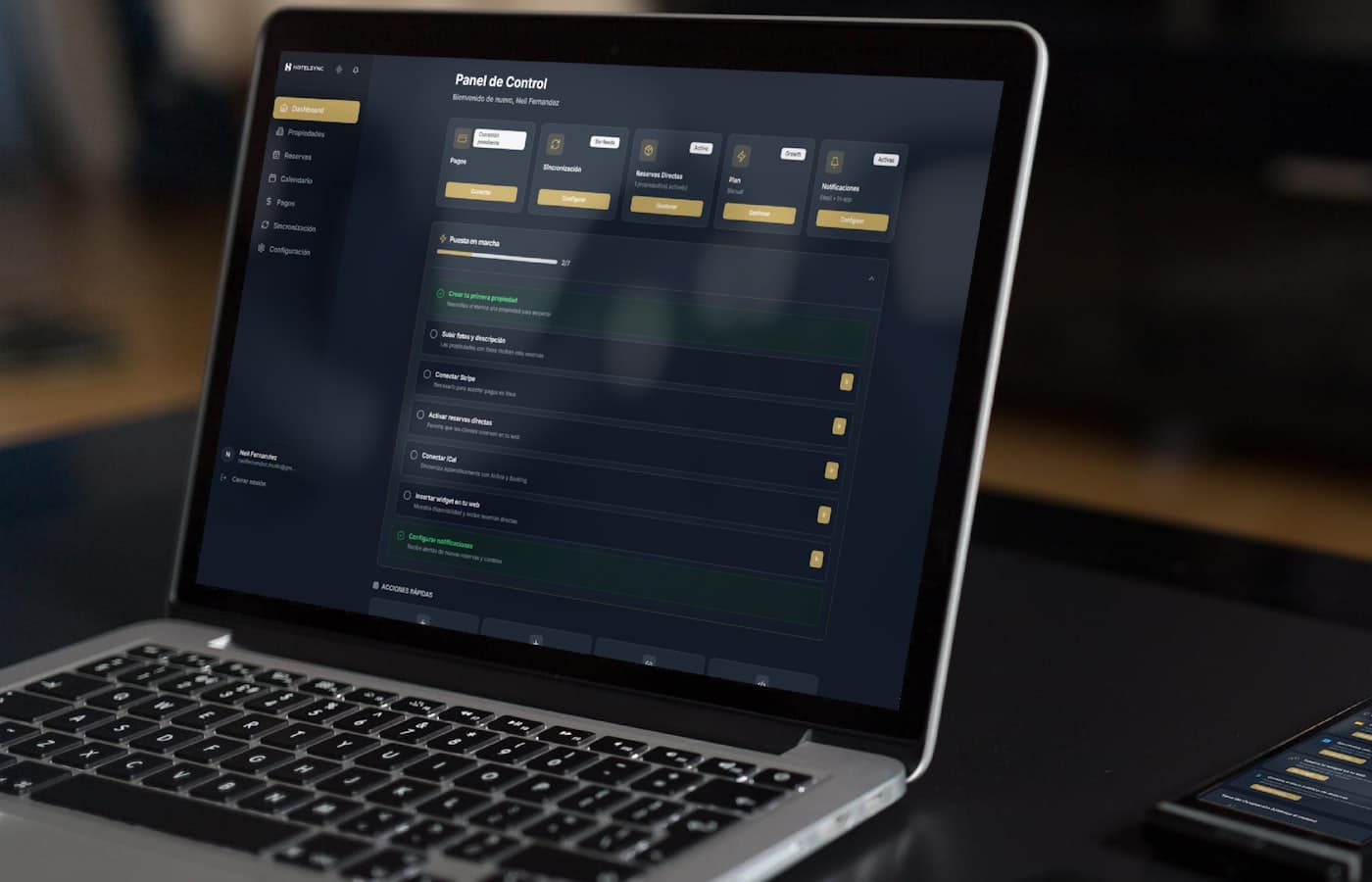
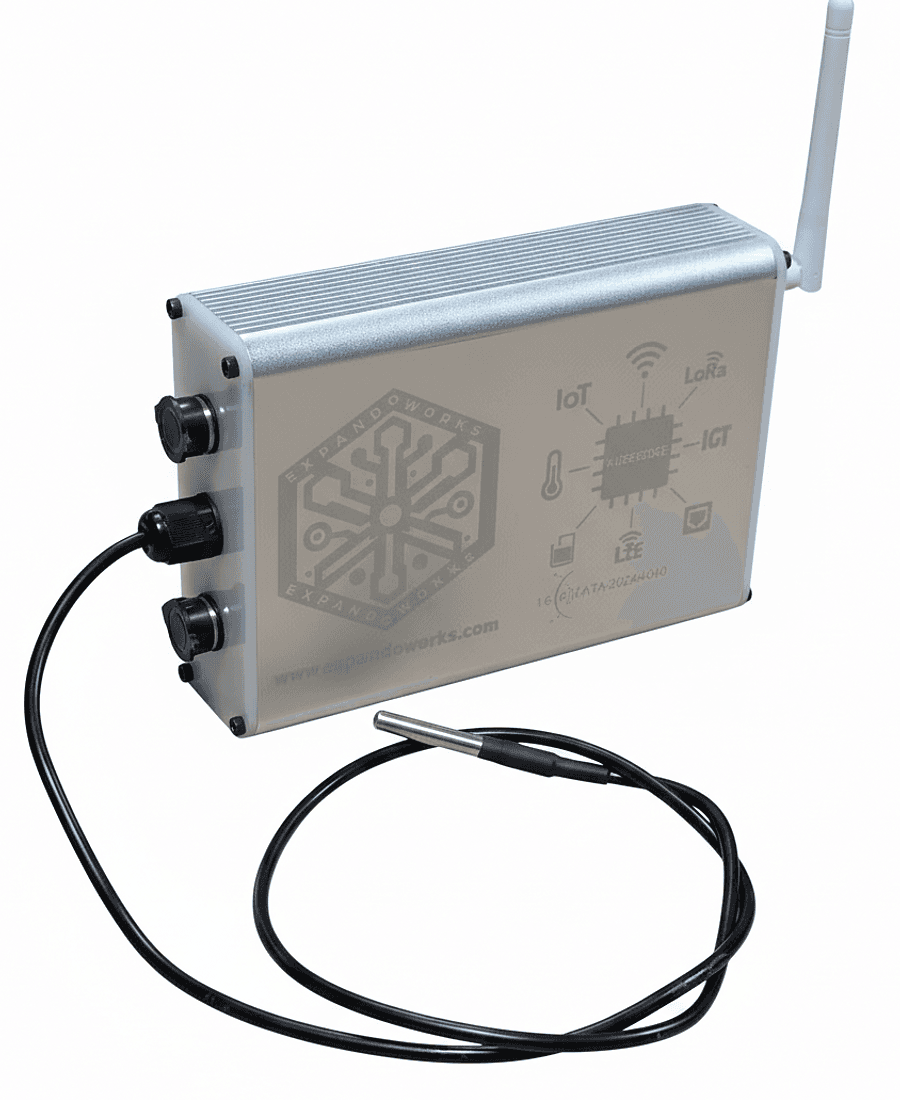
KyberMini and KyberAir give schools a local South African option for classroom and campus monitoring. ExpandoWorks can support the hardware, connectivity, and KyberPortal dashboard layer so facilities teams can compare spaces rather than relying on disconnected devices. That matters when the rollout needs to expand or when data has to be shared with operational stakeholders.
The strongest procurement approach is simple: define the rooms or buildings to be monitored, identify the ventilation or occupancy questions that matter, confirm whether additional IAQ indicators are needed, and make sure the monitoring can be reviewed centrally through a dashboard. That creates a much stronger system than buying isolated indoor sensors without a longer-term plan.
How teams should use the data
If your team is planning school CO2 monitoring in South Africa, talk to ExpandoWorks about KyberMini, KyberAir, and KyberPortal options for classroom, hostel, hall, and campus monitoring.