Overview
Stephen Browne
Feb 10
What matters first
3 min read
Unexpected equipment failure can bring operations to a sudden halt, costing companies thousands or even millions in lost productivity and repair expenses. Predictive maintenance offers a solution by identifying potential issues before they cause breakdowns. Using sensors like the KyberMini, businesses can monitor equipment health in real time, avoid costly downtime, and improve their return on investment (ROI).
Where teams get stuck
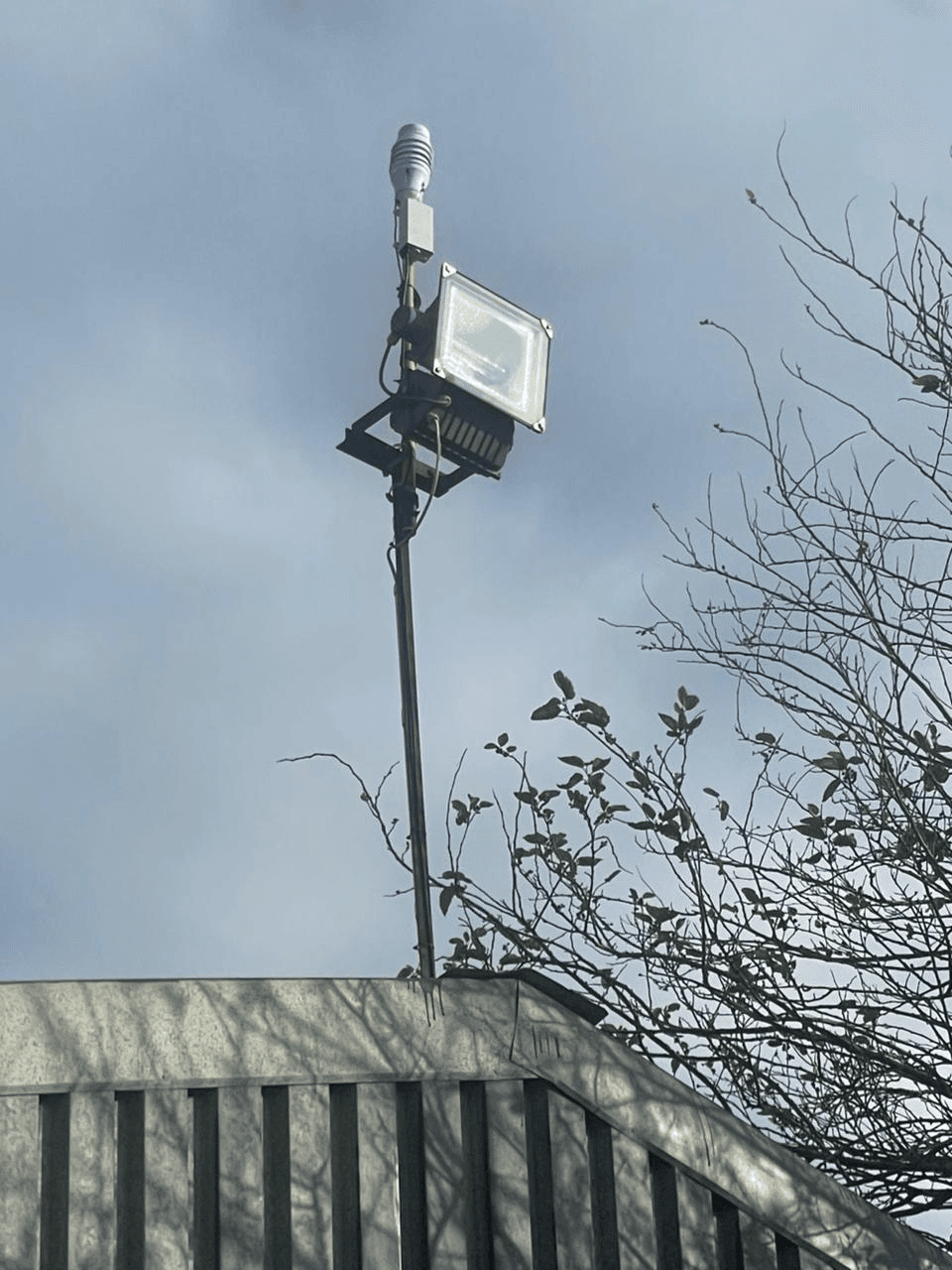
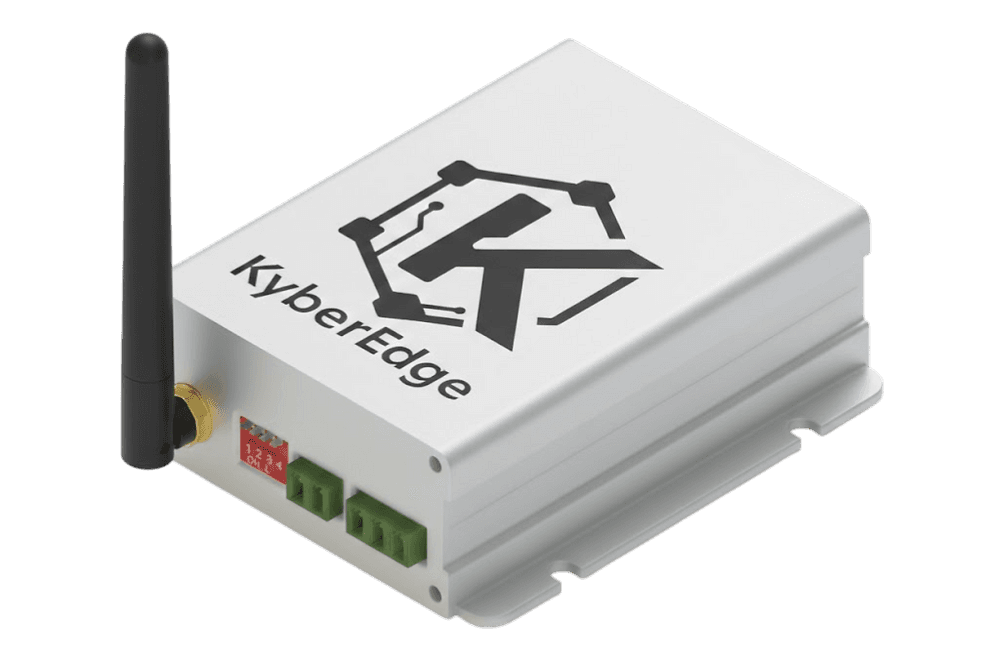
Kyber-Mini sensor to monitor equipment health What Is Predictive Maintenance and Why It Matters
Predictive maintenance uses data from sensors to track the condition of equipment continuously. Instead of following a fixed schedule or waiting for a failure, it predicts when maintenance is needed based on actual wear and tear. This approach helps companies:
How to improve the rollout
Avoid unexpected breakdowns
Schedule maintenance during planned downtime
What to do next
Extend equipment lifespan
Reduce repair costs
Section 6
Traditional maintenance methods either risk costly failures by waiting too long or waste resources by servicing equipment unnecessarily. Predictive maintenance strikes a balance by using real-time data to make smarter decisions.
How Sensors Like the Kyber-Mini Detect Problems Early
Section 7
The Kyber-Mini is a compact sensor designed to monitor vibrations, temperature, and other key indicators of machine health. It collects detailed data and sends it to a central system for analysis. This allows maintenance teams to spot early signs of problems such as:
Bearing wear
Section 8
Imbalance or misalignment
Overheating components
Section 9
Looseness or structural issues
For example, a slight increase in vibration frequency can indicate a bearing starting to fail. Detecting this early means the bearing can be replaced before it causes a major breakdown.
Section 10
Real Savings from Reduced Downtime
Downtime can cost companies thousands per hour depending on the industry. Predictive maintenance helps avoid these losses by:
Section 11
Preventing sudden equipment failure
Allowing maintenance during scheduled breaks
Section 12
Reducing the need for emergency repairs
A manufacturing plant using KyberMini sensors reported a 30% reduction in unplanned downtime within the first year. This translated to savings of over R200,000 by avoiding production stoppages and expensive last-minute fixes.
Section 13
Improving ROI with Smarter Maintenance Spending
Predictive maintenance not only saves money by reducing downtime but also improves how maintenance budgets are spent. Instead of replacing parts on a fixed schedule, companies replace only what needs attention. This reduces:
Section 14
Waste from unnecessary part replacements
Labor costs from unplanned emergency repairs
Section 15
Inventory costs by better managing spare parts
The KyberMinis accurate data helps maintenance teams prioritize tasks and allocate resources efficiently, boosting overall ROI.
Section 16
Practical Steps to Implement Predictive Maintenance
To get started with predictive maintenance using sensors like the KyberMini, companies should:
Section 17
Identify critical equipment where downtime has the biggest impact.
Install sensors on these machines to monitor key parameters.
Section 18
Set up data collection and analysis tools to interpret sensor data.
Train maintenance staff to respond to alerts and perform targeted repairs.
Section 19
Review and adjust maintenance schedules based on insights gained.
Starting small with high-impact equipment allows companies to prove value before expanding the program.
Section 20
Overcoming Common Challenges
Some companies hesitate to adopt predictive maintenance due to concerns about cost, complexity, or data overload. These challenges can be addressed by:
Section 21
Choosing easy-to-install sensors like the KyberMini
Using user-friendly software with clear alerts and dashboards
Section 22
Partnering with experienced providers for setup and training
Starting with pilot projects to demonstrate benefits
Section 23
With the right approach, predictive maintenance becomes a manageable and valuable part of operations.
The Future of Equipment Maintenance
Section 24
As sensor technology advances and data analysis improves, predictive maintenance will become even more precise and accessible. Integrating sensors like the KyberMini with artificial intelligence and cloud platforms will enable:
Real-time remote monitoring
Section 25
Automated maintenance scheduling
Continuous improvement through machine learning
Section 26
Companies that adopt these tools early will gain a competitive edge by minimizing downtime and maximizing asset value.