Overview
Choosing a custom software development company in South Africa is usually treated like a feature comparison, but the stronger buying question is whether the team can build around the real operation behind the software. Many businesses do not actually need more screens. They need a system that matches approvals, field activity, reporting, customer interaction, devices, and support processes that already exist in the business.
That matters because custom software becomes expensive when the development team only understands the interface layer. A portal, dashboard, mobile app, customer workflow, or internal operations system has to reflect who does the work, what information moves first, what can block a task, and what happens after an action is submitted. If those details are not understood early, the project starts to look polished while still failing the real workflow.
Where teams lose time
The first thing buyers should compare is discovery quality. A capable software partner should ask practical questions about users, handovers, edge cases, reporting expectations, permissions, and the current process the team wants to improve. If the conversation jumps straight from idea to quotation with very little process discovery, there is a good chance important operational detail is being missed.
The second comparison point is whether the development company can work across the full system. In many South African projects, the software is connected to more than a website. It may need to support field teams, operational dashboards, customer accounts, billing steps, connected devices, manufacturing data, or internal administration. A team that can only build the visible front end may leave the business with integration gaps that become expensive later.
What to automate first
Support after launch is another strong filter. A custom system should not be treated as finished the day it goes live. Teams should ask how fixes are handled, how change requests are scoped, what visibility exists around deployment risk, and how the supplier supports rollout feedback once real users start using the platform. A system that cannot keep improving after launch usually becomes shelfware faster than buyers expect.
It is also worth checking whether the supplier can build for business rhythm, not only for technical novelty. South African operations often involve mixed connectivity, role-based approvals, distributed teams, field data capture, and longer decision chains than a generic software demo assumes. A practical development company should be comfortable designing for these realities instead of trying to force every process into a simple consumer-style app pattern.
How to scope the rollout
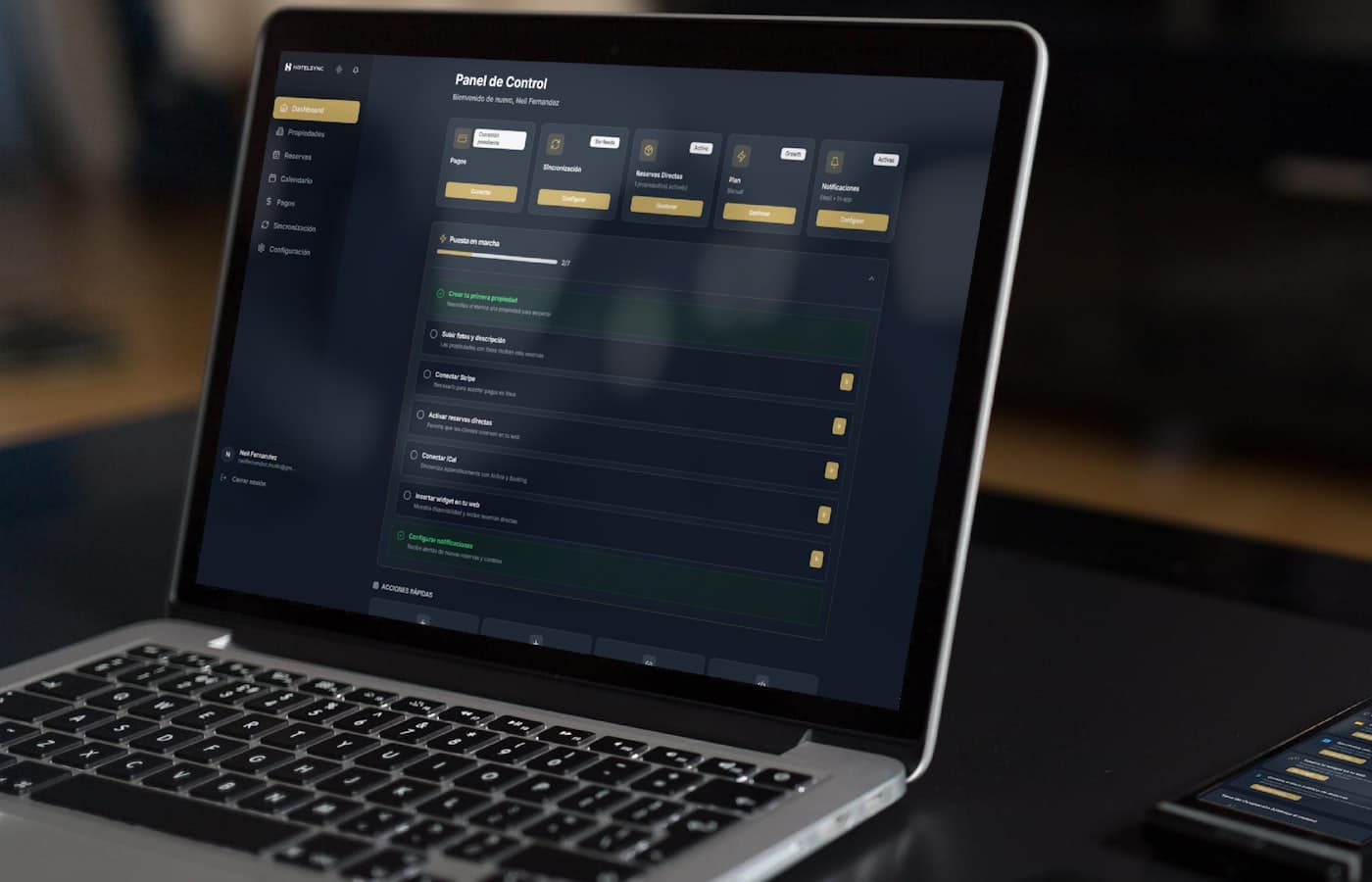
For buyers comparing custom software development companies in South Africa, a useful shortlist question is this: can the team translate an operational process into a working system with dashboards, permissions, status flow, and support logic that still make sense six months after launch? That question usually tells you more than a generic stack list or a gallery of unrelated portfolio screenshots.
ExpandoWorks is strongest in projects where custom software has to work closely with operations, electronics, devices, monitoring systems, or internal business process. That includes customer portals, dashboards, web applications, mobile workflows, and business systems that need practical delivery rather than presentation-only development. It also means software can be planned alongside hardware-aware workflows where the project needs both sides to stay aligned.
What stronger delivery looks like
If your team is comparing custom software development in South Africa, start by documenting the users, the process bottlenecks, the data that matters, the approvals that slow work down, and the outcome that should improve after launch. That creates a much better buying brief and makes it easier to choose a software partner that can build the right system instead of simply the fastest proposal.