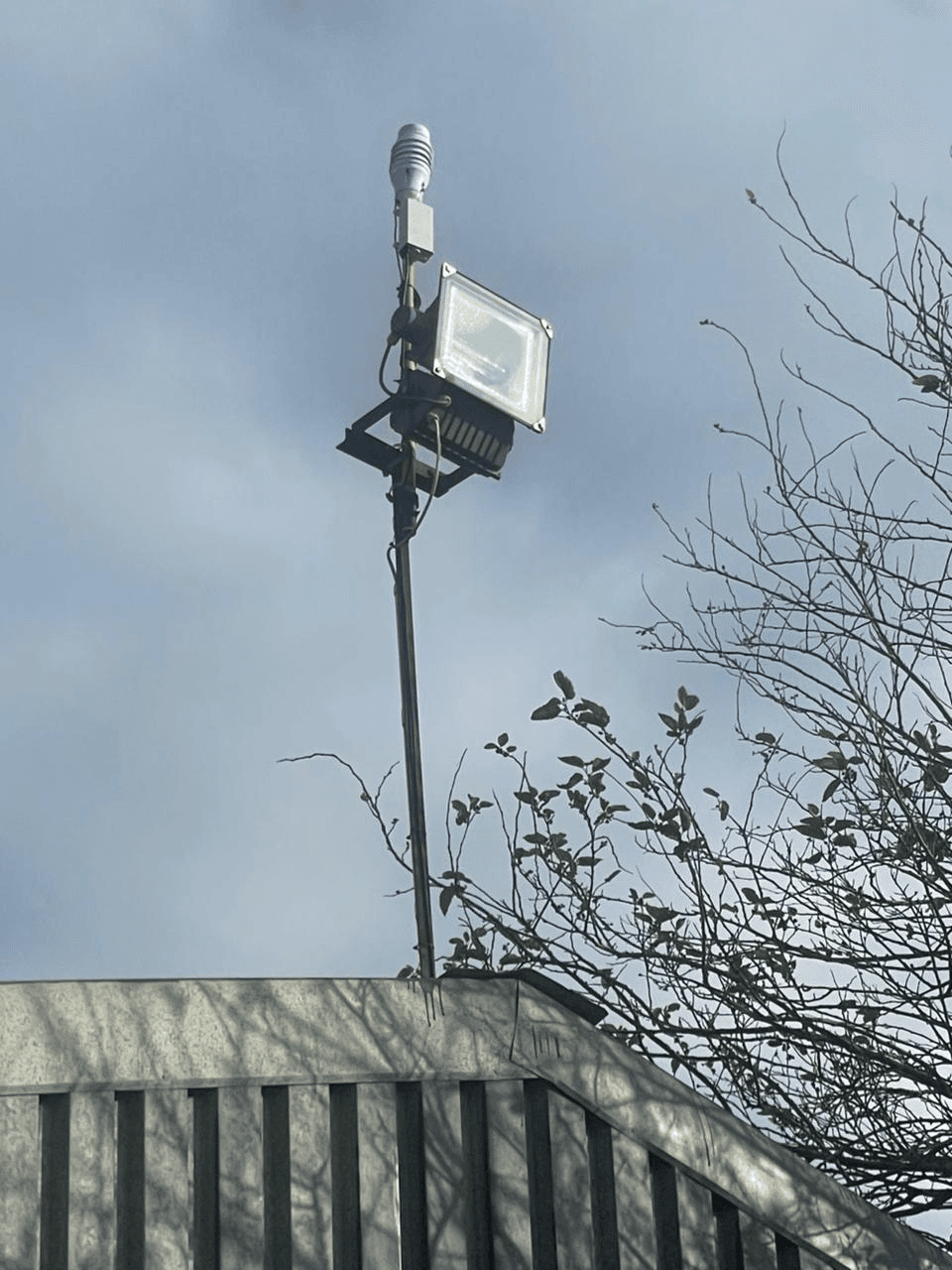
Elevated KyberMini outdoor PM monitoring point with weather and site-context measurements.
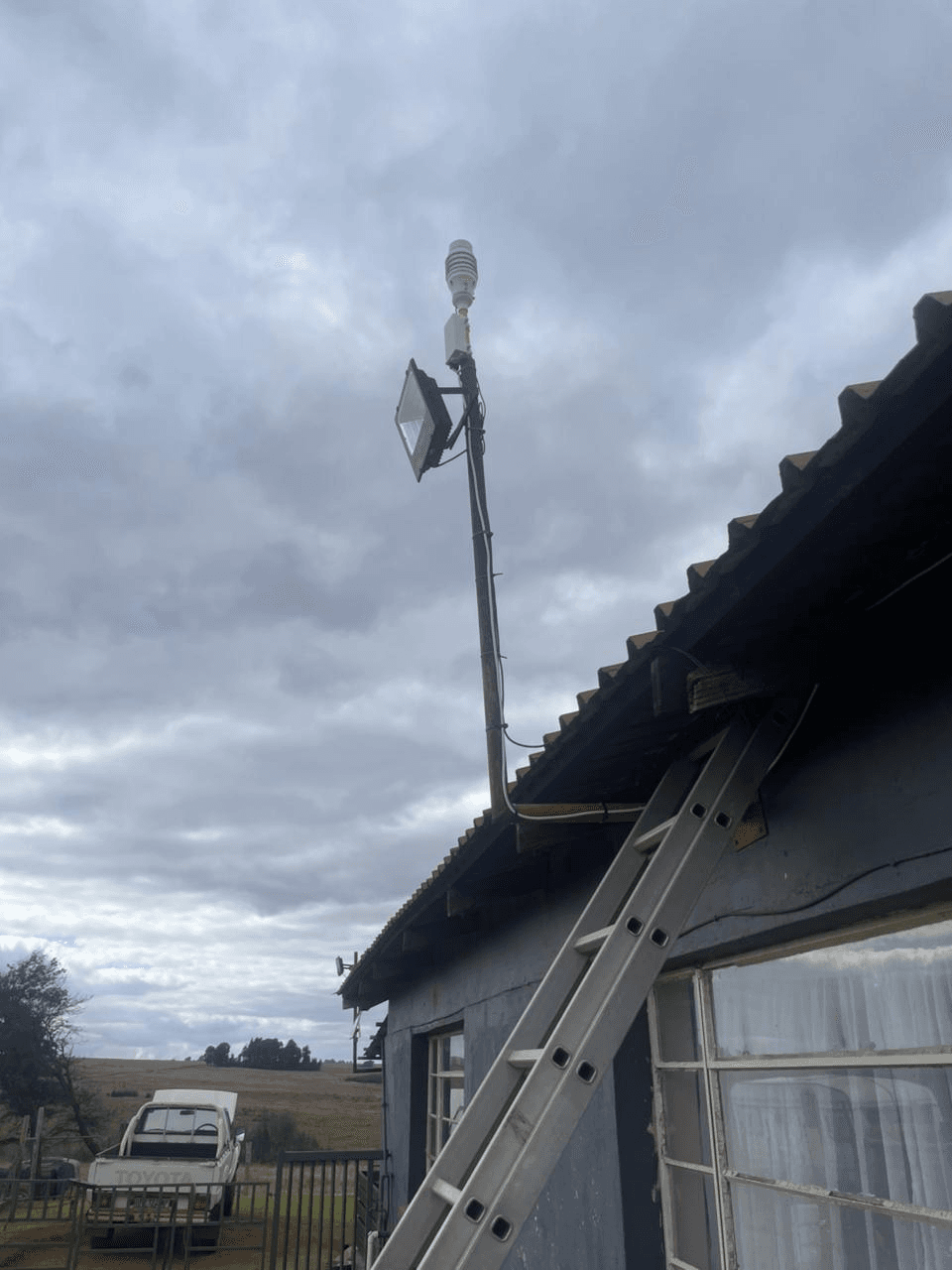
Roofline installation for outdoor particulate, wind, lux, and noise monitoring.
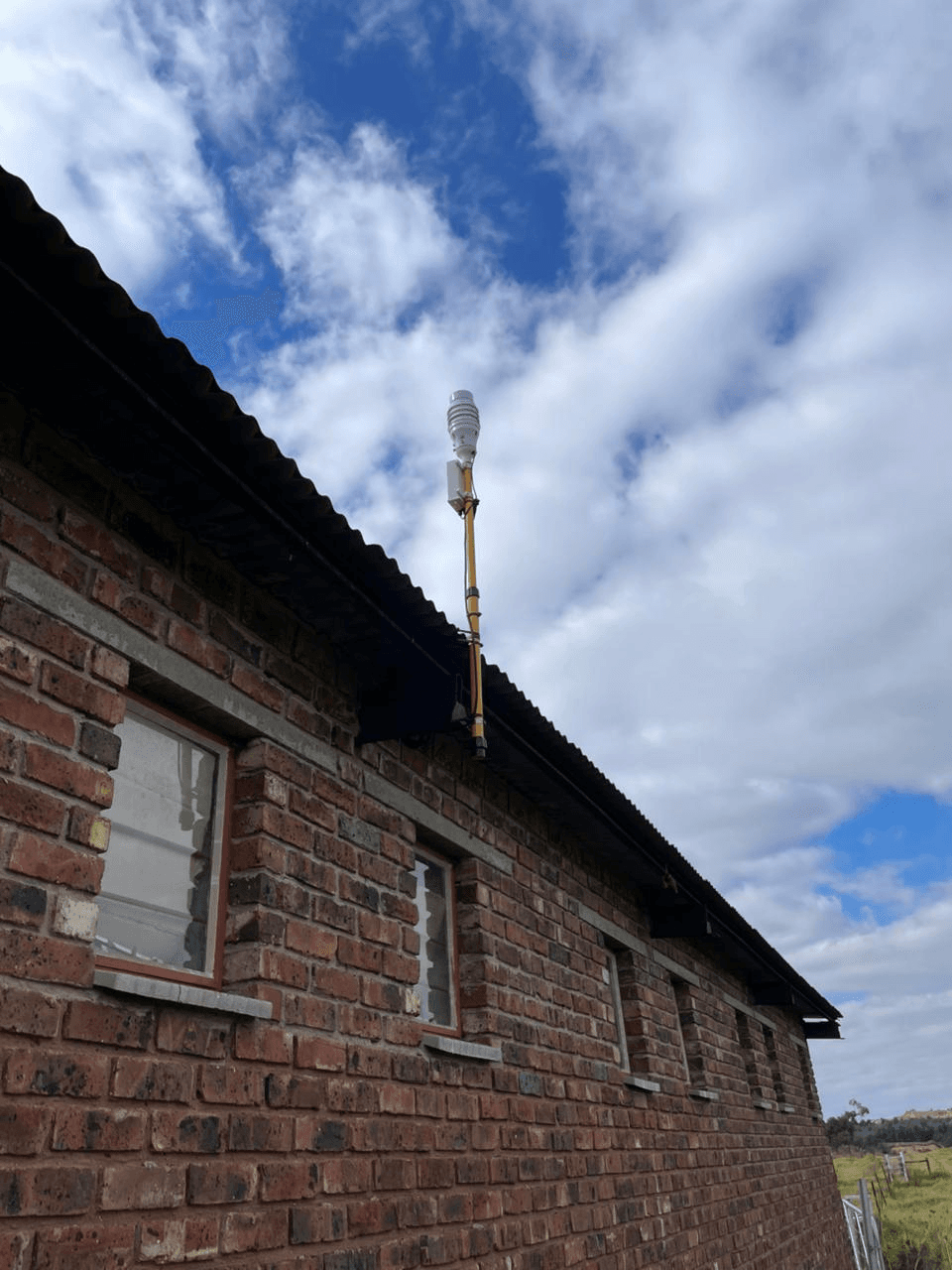
Compact wall-mounted KyberMini installation for local environmental trend visibility.
Overview
ExpandoWorks recently installed two KyberMini particulate monitoring units for an outdoor environmental monitoring rollout. The deployment was designed to track particulate matter while also capturing wind direction, wind speed, light level, and noise context. For teams that need to understand site conditions rather than only collect isolated readings, that extra context is where the data becomes far more useful.
Particulate matter readings are valuable on their own, but they are easier to interpret when the monitoring system also records what was happening around the site at the same time. A PM spike during calm conditions tells a different story from a PM spike that arrives with a clear wind direction. A repeated event at night may point to a different operational question than the same event during normal daytime activity. This is why environmental monitoring should be scoped around context, not only sensor count.
What the site needs to answer
In this installation, the KyberMini units were mounted outside at elevated points so they could monitor local air conditions across the site. The particulate monitoring gives the team visibility into fine and coarse particle trends, while the wind data helps show whether events are likely to be site-generated, boundary-related, or influenced by nearby activity. Wind speed also matters because low-wind conditions can allow particles to linger, while stronger wind can move dust and particulate matter across a wider area.
Light level adds another practical layer. Lux data can help teams separate day and night operating patterns, understand whether events line up with working hours, and support simple environmental context in the dashboard. It is not always the headline metric, but it helps make the timeline easier to read when teams review historical conditions.
What to watch during rollout
Noise monitoring can also be useful alongside air-quality monitoring. Many outdoor complaints and operational events are not limited to one environmental factor. A site may need to review dust, activity, equipment movement, vehicle movement, or general disturbance patterns together. When noise trends are visible next to PM and wind data, the review process becomes more practical for facilities, estates, industrial sites, farms, schools, municipalities, and environmental teams.
The goal of this kind of rollout is not just to show a live number. A good monitoring system should help a team answer better questions: when do particulate events happen, which direction was the wind coming from, were conditions calm or moving, did the event happen during working hours, and did noise increase at the same time? Those answers are more useful than a disconnected chart because they support decisions and follow-up actions.
How teams should use the data
KyberMini is suited to compact deployments where teams need site visibility without making the installation unnecessarily large. For outdoor PM monitoring, the system can form part of a broader KyberAir and KyberPortal monitoring workflow, giving teams access to trends, alerts, historical data, and practical site review. The exact deployment should always be scoped around the site question, the monitoring points, and the reporting outcome required.
For South African buyers comparing PM2.5 monitoring, dust monitoring, outdoor air-quality monitoring, or environmental monitoring dashboards, this installation shows an important principle: particulate data becomes stronger when it is paired with weather and site-context measurements. Wind direction, wind speed, lux, and noise help turn readings into a clearer story of what happened on site.
What better deployment support looks like
If your organisation needs air-quality or particulate monitoring in South Africa, ExpandoWorks can help scope a KyberMini or KyberAir rollout around the real monitoring question. The best starting point is to define what you need to understand: dust movement, PM2.5 exposure, boundary events, operational patterns, complaint investigation, dashboard visibility, or long-term environmental trend tracking.