Overview
top of page Services
Products
What matters first
Projects
Order PCB's
Where teams get stuck
Clients
Brochures
How to improve the rollout
KyberPortal
Blog
What to do next
Contact Us
More
Section 6
Use tab to navigate through the menu items. South Africa's Leading Premium Turnkey PCB , IoT & Embedded Systems Manufacturer
+27 (0) 66 300 5037
Section 7
Log In cart
All Posts
Section 8
Search Enhancing IIoT Reliability: Top 5 Causes of Sensor Failure and Prevention Strategies
Stephen Browne
Section 9
Mar 3
4 min read
Section 10
Industrial Internet of Things (IIoT) sensors are the backbone of modern manufacturing and industrial operations. They collect critical data that drives decision-making, improves efficiency, and ensures safety. Yet, sensor failure remains a persistent challenge that can disrupt operations, increase costs, and reduce trust in IIoT systems. Understanding the common causes of sensor failure and how to prevent them is essential for maintaining IIoT reliability.
This post explores the top five causes of industrial IoT sensor failure and offers practical strategies to protect sensors and extend their lifespan. We also highlight how the Kyber line of sensors addresses these challenges with durable design and advanced protection features.
Section 11
1. Harsh Environmental Conditions
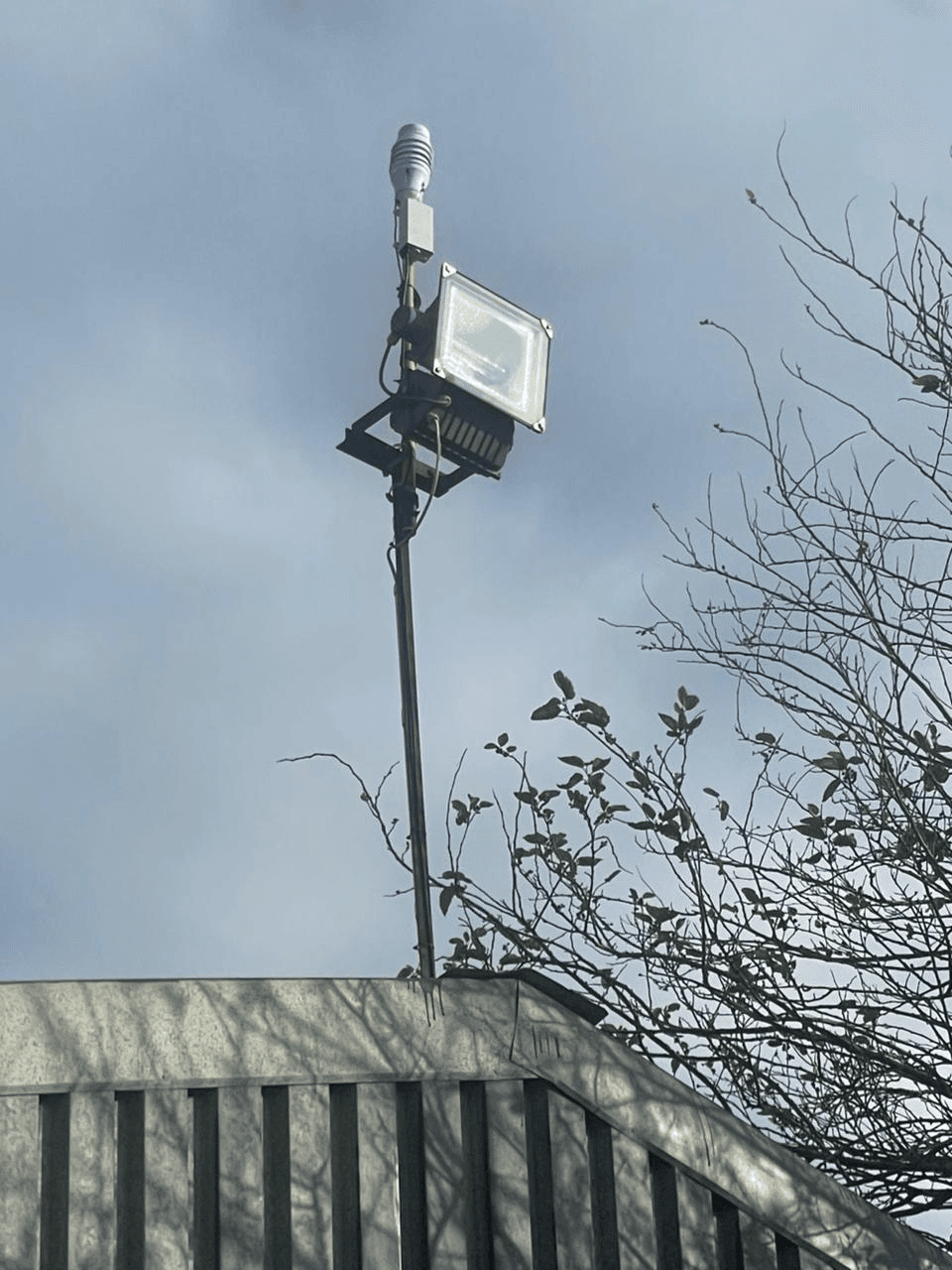
Industrial environments often expose sensors to extreme temperatures, moisture, dust, chemicals, and vibrations. These conditions can degrade sensor components, cause corrosion, or lead to electrical failures.
Section 12
Examples:
Sensors in a chemical plant exposed to corrosive gases may suffer from material degradation.
Section 13
Sensors near heavy machinery may experience constant vibration, loosening connections or damaging internal parts.
Outdoor sensors face temperature swings and moisture ingress that can short-circuit electronics.
Section 14
Prevention Strategies:
Use sensors with environmental protection ratings such as IP67 or IP68, which guarantee resistance to dust and water.
Section 15
Select sensors with ruggedized housings made from corrosion-resistant materials like stainless steel or specialized polymers.
Implement vibration dampening mounts or enclosures to reduce mechanical stress.
Section 16
Regularly inspect and clean sensors to prevent buildup of dust or residues.
The Kyber sensor line is designed with high-grade materials and sealed housings that withstand harsh industrial environments, ensuring reliable data collection even under extreme conditions.
Section 17
2. Electrical Interference and Power Issues
IIoT sensors rely on stable electrical signals and power supply. Electrical noise, surges, or improper grounding can cause sensor malfunctions or damage.
Section 18
Examples:
Electromagnetic interference (EMI) from nearby heavy machinery or radio equipment can distort sensor signals.
Section 19
Voltage spikes during power surges may burn out sensor circuits.
Poor wiring or loose connections can cause intermittent failures.
Section 20
Prevention Strategies:
Use shielded cables and proper grounding techniques to minimize EMI.
Section 21
Install surge protectors and voltage regulators to stabilize power supply.
Conduct regular electrical maintenance checks to ensure wiring integrity.
Section 22
Choose sensors with built-in EMI resistance and power protection features.
Kyber sensors incorporate advanced electrical shielding and surge protection, reducing the risk of failure caused by unstable power or interference.
Section 23
3. Mechanical Damage and Installation Errors
Physical damage during installation or operation is a common cause of sensor failure. Incorrect mounting, impact, or exposure to moving parts can impair sensor function.
Section 24
Examples:
Sensors installed without proper alignment may provide inaccurate readings.
Section 25
Accidental knocks or collisions with equipment can crack sensor housings.
Exposure to sharp edges or abrasive surfaces can wear down sensor components.
Section 26
Prevention Strategies:
Follow manufacturer guidelines for sensor installation, including correct orientation and secure mounting.
Section 27
Use protective covers or guards to shield sensors from impact or abrasion.
Train maintenance staff on proper handling and installation procedures.
Section 28
Perform routine inspections to detect and repair physical damage early.
The Kyber line offers sensors with reinforced housings and flexible mounting options that simplify installation and protect against mechanical damage.
Section 29
4. Software and Firmware Issues
Sensor failure is not always physical. Software bugs, outdated firmware, or communication errors can cause sensors to stop reporting data or send incorrect information.
Section 30
Examples:
Firmware glitches may cause sensors to freeze or reset unexpectedly.
Section 31
Incompatible software updates can disrupt sensor communication protocols.
Network configuration errors may prevent data transmission.
Section 32
Prevention Strategies:
Keep sensor firmware updated with the latest manufacturer releases.
Section 33
Test software updates in controlled environments before full deployment.
Use standardized communication protocols compatible with existing IIoT infrastructure.
Section 34
Monitor sensor data streams for anomalies that indicate software issues.
Kyber sensors support over-the-air firmware updates and use widely adopted communication standards, making maintenance and troubleshooting easier.
Section 35
5. Lack of Regular Maintenance
Neglecting routine maintenance accelerates sensor degradation and increases the risk of unexpected failure.
Section 36
Examples:
Dust accumulation on sensor lenses reduces measurement accuracy.
Section 37
Corroded connectors cause intermittent signal loss.
Unchecked battery-powered sensors may run out of power without warning.
Section 38
Prevention Strategies:
Establish a regular maintenance schedule that includes cleaning, inspection, and calibration.
Section 39
Use predictive maintenance tools to identify sensors at risk of failure.
Replace worn or damaged parts promptly.
Section 40
Train staff to recognize early signs of sensor issues.
Implementing a proactive IoT maintenance program extends sensor life and improves overall IIoT reliability. Kyber sensors are designed for easy maintenance with modular components and clear diagnostic indicators.
Section 41
Industrial IoT sensor failure can disrupt operations and increase costs, but many common causes are preventable. By protecting sensors from harsh environments, ensuring stable electrical conditions, avoiding mechanical damage, maintaining up-to-date software, and performing regular maintenance, industries can significantly improve IIoT reliability.
The Kyber sensor line addresses these challenges with durable construction, advanced protection features, and user-friendly maintenance options. Investing in reliable sensors like Kyber helps industries build stronger, more resilient IIoT systems that deliver accurate data and support smarter decision-making.
Section 42
Next steps: Review your current sensor setup for vulnerabilities in these five areas. Consider upgrading to Kyber sensors to enhance durability and reduce downtime. Establish a maintenance routine that keeps your IIoT sensors performing at their best.