Overview
Stephen Browne
Feb 17
What matters first
3 min read
South Africa faces ongoing infrastructure challenges, especially in cities like Johannesburg where power outages and water supply disruptions affect daily business operations. These interruptions can lead to lost revenue, damaged equipment, and reduced customer trust. Businesses need practical ways to build resilience and maintain smooth operations despite these hurdles. One promising approach is using the Internet of Things (IoT) combined with local power and water monitoring systems. This technology helps companies detect problems early, respond faster, and manage resources more efficiently.
Where teams get stuck
Understanding Infrastructure Challenges in Johannesburg and Beyond
Johannesburg, like many urban centers in South Africa, struggles with frequent power cuts due to aging grids and high demand. Water supply can also be unpredictable because of droughts, leaks, and maintenance issues. These problems affect not only large corporations but also small and medium enterprises that may lack backup systems.
How to improve the rollout
Power outages can halt production lines, disrupt IT systems, and spoil perishable goods. Water interruptions impact sanitation, cooling systems, and manufacturing processes. Without reliable infrastructure, businesses face higher costs and operational risks.
How IoT Supports Local Power Monitoring
What to do next
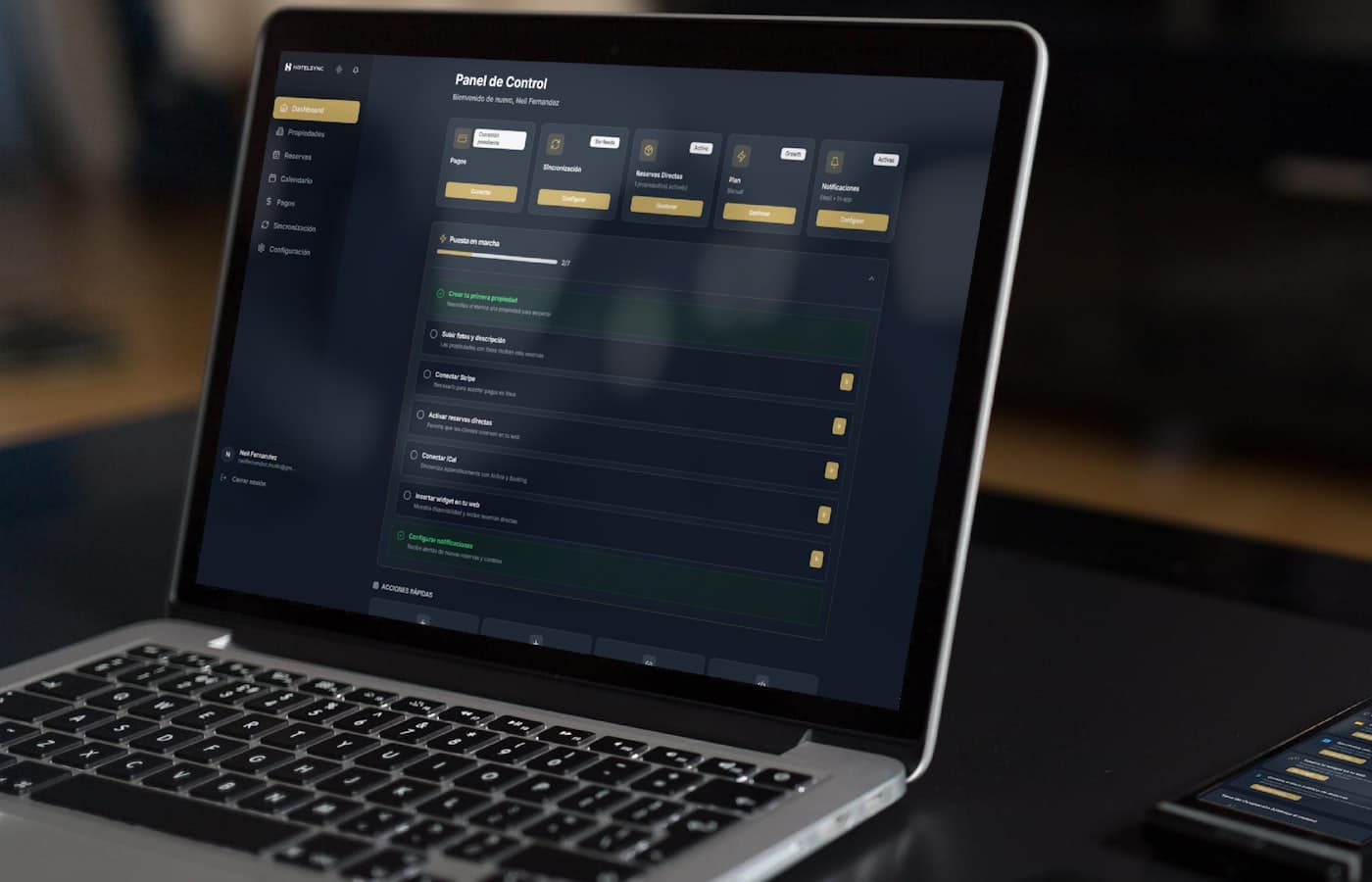
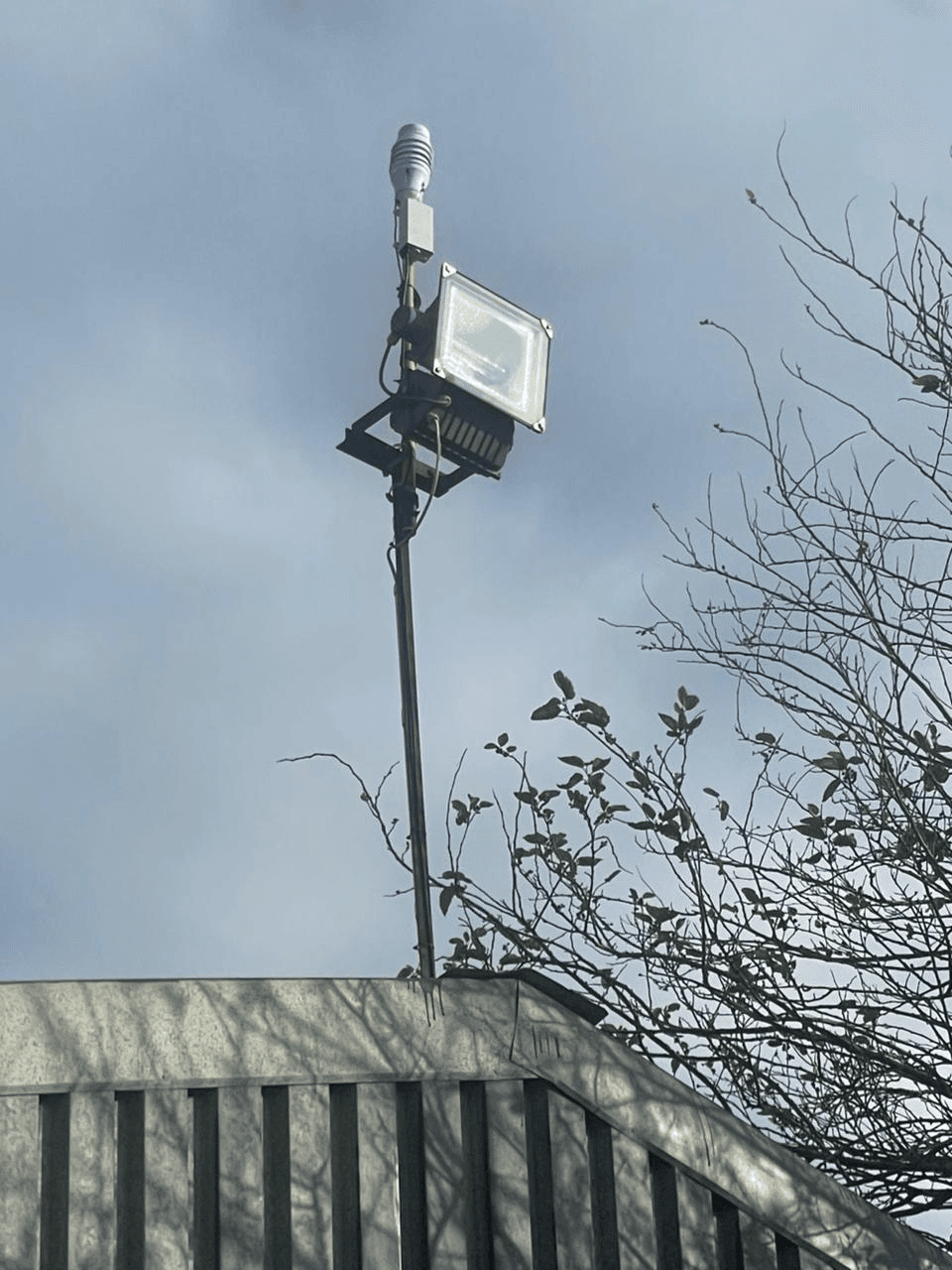
IoT devices can monitor power usage and quality in real time. Sensors installed at key points detect voltage fluctuations, outages, and unusual consumption patterns. This data is sent to a central dashboard accessible to facility managers or business owners.
With this information, companies can:
Section 6
Identify weak points in their electrical systems before failures occur
Schedule maintenance proactively to avoid downtime
Section 7
Manage energy consumption to reduce costs
Trigger alerts when power quality drops below safe levels
Section 8
For example, a Johannesburg manufacturing plant using IoT power monitors detected frequent voltage dips damaging sensitive equipment. Early warnings allowed the team to install voltage stabilizers and avoid costly repairs.
Using IoT for Water Monitoring and Management
Section 9
Water monitoring through IoT involves smart meters and sensors that track flow rates, pressure, and quality. These devices help businesses spot leaks, detect contamination, and optimize water use.
Key benefits include:
Section 10
Reducing water waste by identifying leaks quickly
Ensuring consistent water pressure for operations
Section 11
Monitoring water quality to meet health and safety standards
Planning water usage during shortages or restrictions
Section 12
A retail chain in Gauteng installed smart water meters across stores. When a leak developed in one location, the system sent an immediate alert. The store fixed the issue within hours, preventing water loss and damage.
Practical Steps for Businesses to Implement IoT Solutions
Section 13
Assess Needs and Risks
Evaluate which parts of your infrastructure are most vulnerable to power or water issues. Prioritize areas where interruptions cause the most damage or cost.
Section 14
Choose Appropriate IoT Devices
Select sensors and meters designed for your environment and business size. Consider devices that integrate easily with your existing systems.
Section 15
Set Up Real-Time Monitoring
Connect devices to a centralized platform that provides clear, actionable data. Ensure staff can access alerts and reports promptly.
Section 16
Train Staff and Develop Response Plans
Make sure employees understand how to interpret data and respond to alerts. Create protocols for maintenance and emergency actions.
Section 17
Review and Adjust Regularly
Use collected data to improve infrastructure management over time. Adjust monitoring settings and maintenance schedules based on trends.
Section 18
Benefits Beyond Resilience
Beyond helping businesses survive infrastructure challenges, IoT monitoring can improve overall efficiency and sustainability. By tracking energy and water use closely, companies can reduce waste and lower utility bills. This supports environmental goals and enhances corporate responsibility.
Section 19
Moreover, reliable infrastructure attracts customers and partners who value consistent service. Businesses that invest in smart monitoring demonstrate foresight and commitment to quality.
Looking Ahead: Expanding IoT Impact Across South Africa
Section 20
As IoT technology becomes more affordable and accessible, more South African businesses can adopt these solutions. Governments and utilities are also exploring smart grids and water networks that integrate IoT for better city-wide management.
Collaboration between businesses, technology providers, and policymakers will be key to building resilient infrastructure that supports economic growth and community well-being.