Overview
Industrial dust monitoring projects are often scoped around a particulate reading alone, but the strongest deployments are built around site context. PM2.5, PM10, PM100, or TSP values become much more useful when operators can review them alongside wind direction, rainfall, humidity, and the operating activity on the site.
That matters in South African industrial environments because dust patterns are rarely static. Haul roads, stockpiles, process areas, loading zones, construction interfaces, and boundary lines can all create different signatures. A monitoring system should help the team understand where and when those patterns show up, not just collect a number for later storage.
What the site needs to answer
Industrial dust monitoring also needs a decision on how the data will be used. Some sites need operational visibility so supervisors can identify unusual conditions quickly. Others need a longer-term environmental record. Some require multiple locations to be compared across a single dashboard. Those use cases influence sensor mix, communications, power strategy, and dashboard design from the start.
This is one reason local support matters. A site may begin with one monitoring point and later need more sensors, different enclosure assumptions, or an updated dashboard workflow. ExpandoWorks supports KyberAir locally from Johannesburg, which shortens the path from deployment change to implementation change.
What to watch during rollout
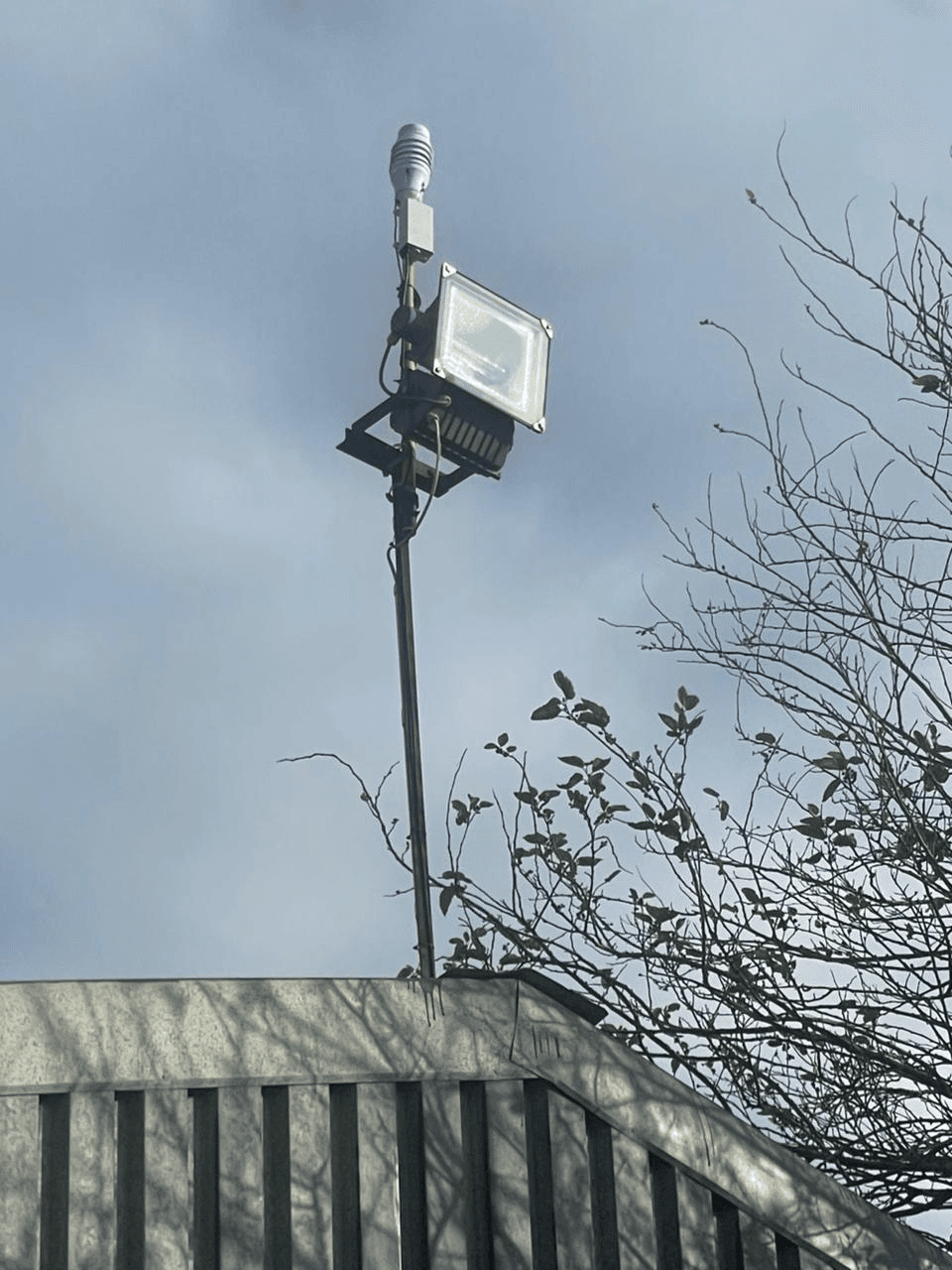
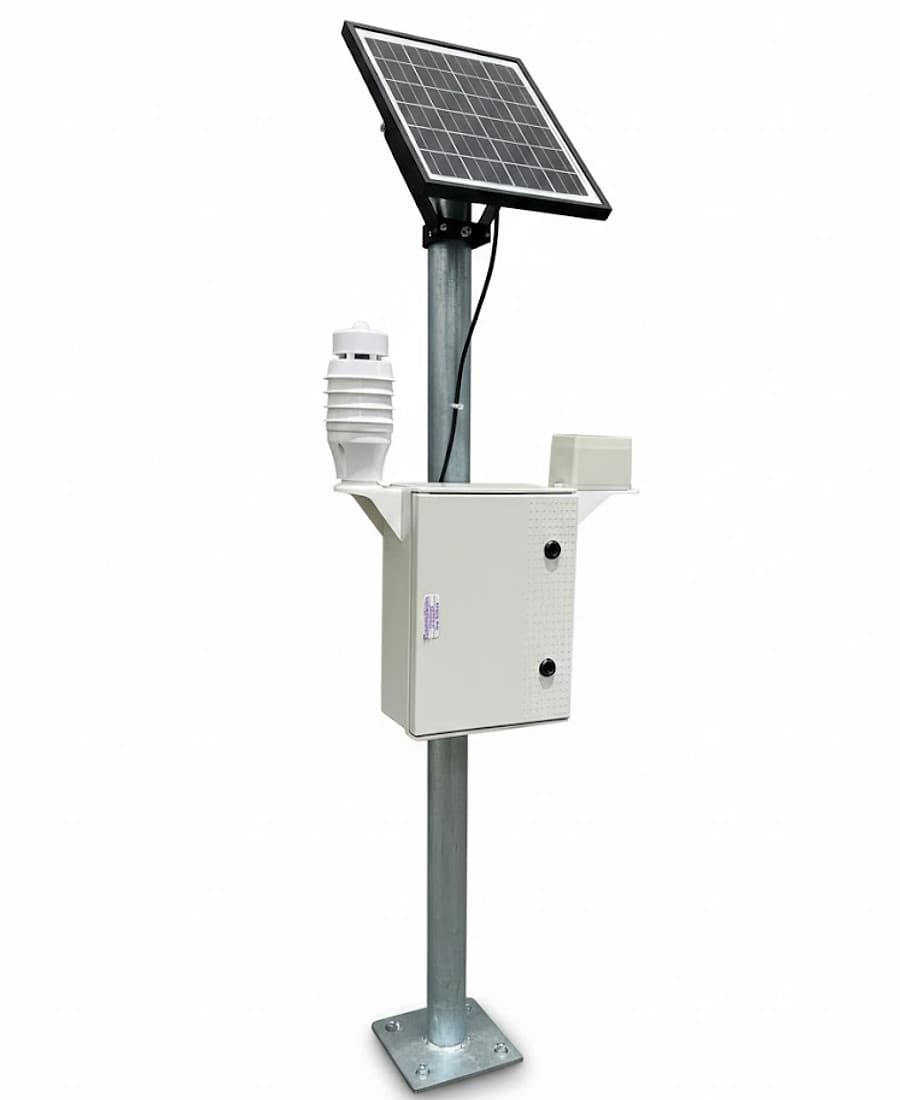
KyberAir is built for field-ready air-quality and environmental monitoring in industrial, municipal, and mining-adjacent environments. It can combine particulate readings with weather context and KyberPortal dashboard visibility so operators are not forced to manage disconnected hardware and software layers.
Before procuring an industrial dust monitoring system, define the site zones that matter, decide whether multiple particulate sizes and weather context are needed, and confirm how the data will be reviewed operationally. That planning step does more for project success than choosing a sensor in isolation.
How teams should use the data
If your site needs industrial dust monitoring in South Africa, contact ExpandoWorks to scope a KyberAir deployment around the real operating conditions of the site.