Overview
Stephen Browne
Feb 11
Where teams lose time
4 min read
Water scarcity poses a serious challenge to Johannesburg, where aging infrastructure and growing demand strain the citys water supply. The risk of leaks, reservoir overflows, and infrastructure failures threatens both residents and businesses. Smart water management using IoT sensors offers a practical way to monitor and protect water systems in real time. This post explores how IoT technology, such as Kyber sensors, helps detect leaks and track reservoir levels, providing timely data to prevent costly failures and reduce water loss.
What to automate first
Understanding Johannesburgs Water Crisis
Johannesburg faces water shortages due to a combination of factors: rapid urban growth, climate variability, and aging water infrastructure. The citys reservoirs and pipelines often suffer from leaks and bursts, leading to significant water waste. Traditional methods of monitoring rely on manual inspections and delayed reporting, which cannot keep up with the pace of infrastructure wear and tear.
How to scope the rollout
Water scarcity affects households, industries, and agriculture, making it critical to find solutions that improve water use efficiency. Smart water management systems that use IoT sensors provide continuous, real-time data, enabling faster response to problems and better resource planning.
How IoT Sensors Improve Water Infrastructure Monitoring
What stronger delivery looks like
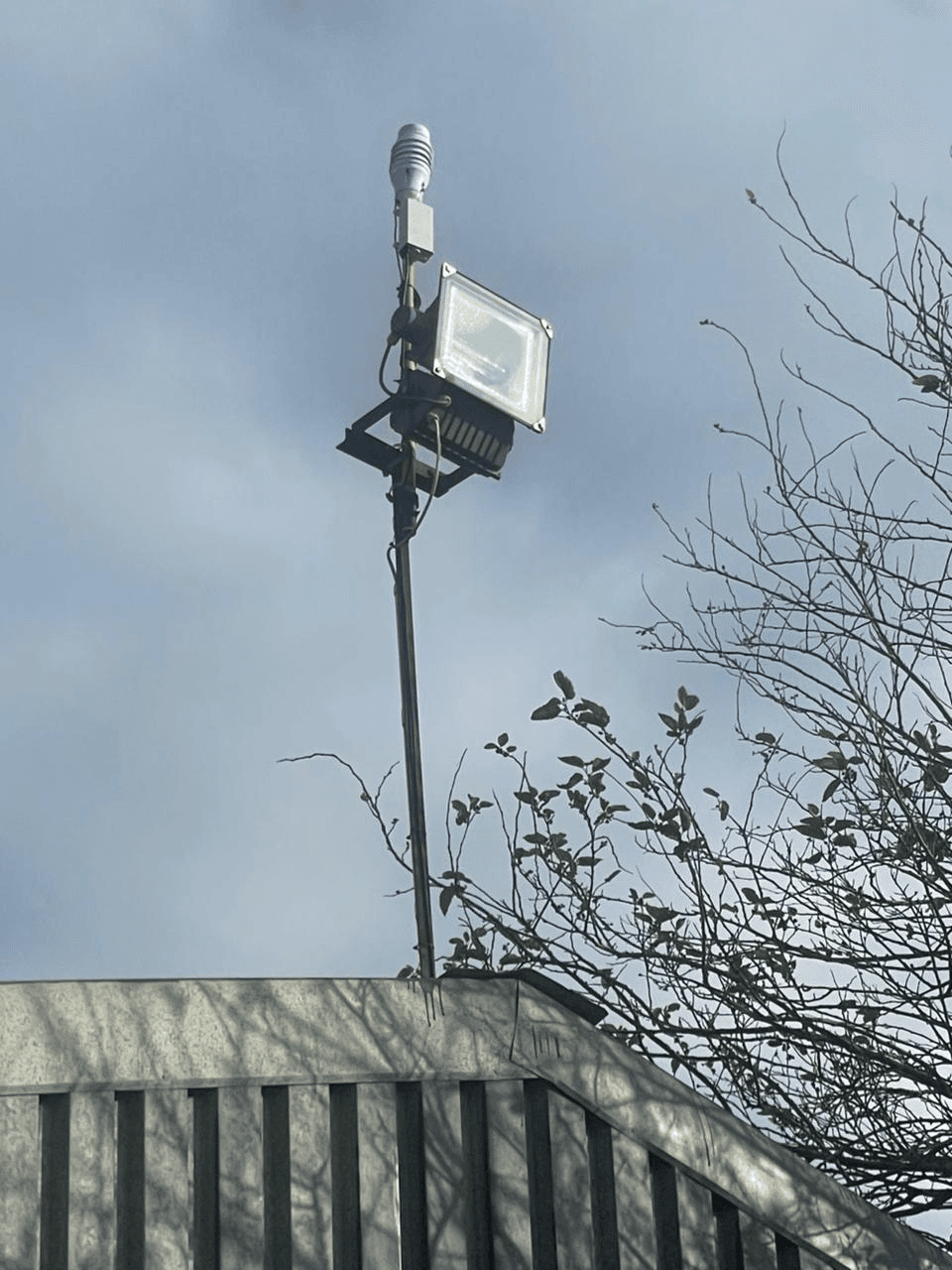
IoT sensors are small, connected devices that collect data on water flow, pressure, and reservoir levels. These sensors transmit information wirelessly to a central system where it can be analyzed and acted upon. Heres how they help utilities and businesses:
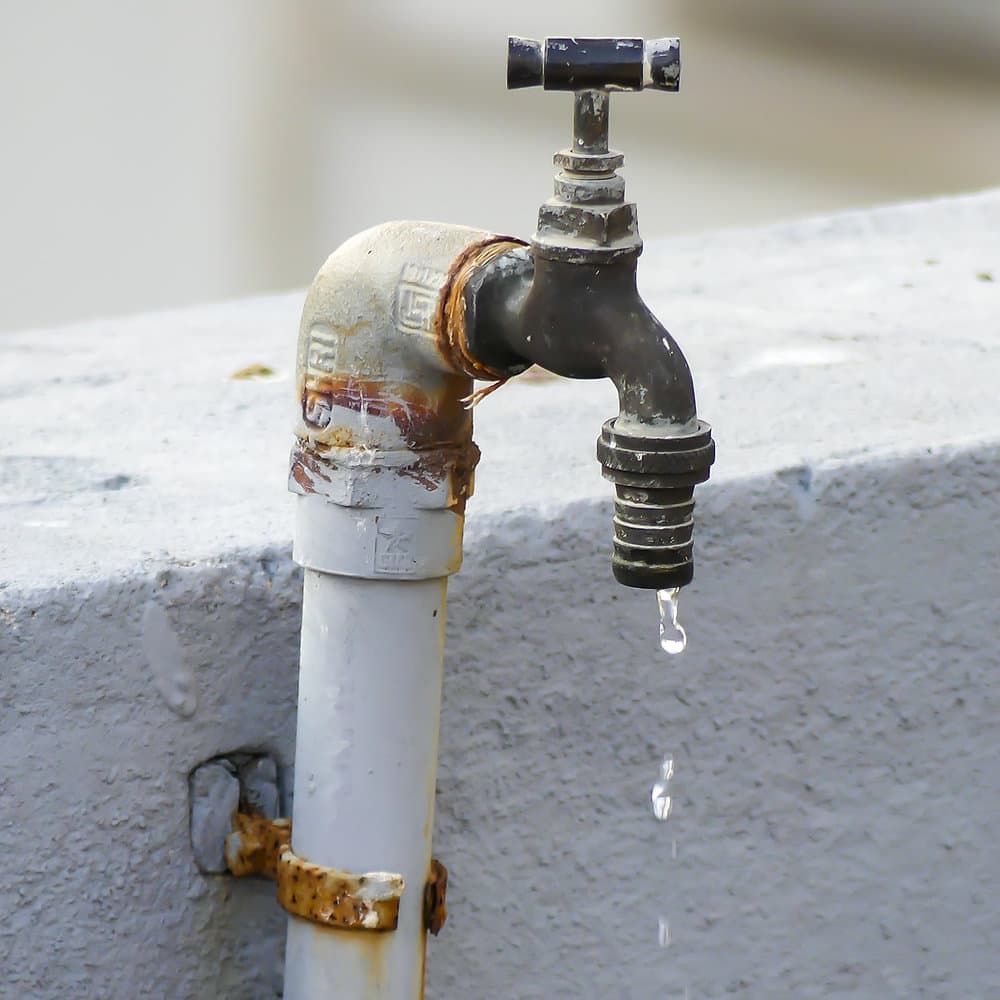
Leak Detection: Sensors identify unusual drops in pressure or flow that indicate leaks. Early detection prevents water loss and costly damage.
Section 6
Reservoir Monitoring: Real-time data on water levels helps manage supply and avoid overflows or shortages.
Predictive Maintenance: Continuous monitoring reveals patterns that signal when pipes or pumps need repair before failure occurs.
Section 7
Remote Access: Operators can check system status from anywhere, reducing the need for manual site visits.
By integrating IoT sensors, Johannesburgs water utilities can shift from reactive to proactive management, saving water and reducing operational costs.
Section 8
Case Study: Kyber Sensors Critical Water Monitoring Across Sectors
From healthcare and fitness to food production and emergency relief, reliable water access is a non-negotiable requirement for operational continuity. Kyber IoT sensors provide a specialized layer of intelligence, ensuring that water infrastructure remains efficient and outages are detected before they become crises.
Section 9
Diverse Industry Applications
The versatility of the Kyber ecosystem allows for seamless integration across various high-demand environments:
Section 10
Medical Facilities: In clinics and hospitals, water is essential for sanitation and specialized equipment. Kyber sensors monitor reservoir levels and pressure, ensuring that critical supply is never interrupted and alerting staff to leaks that could compromise sterile environments.
Gyms & Wellness Centers: High-traffic facilities like gyms rely heavily on water for showers, pools, and hydration stations. KyberEdge sensors track usage patterns, helping managers optimize heating schedules and detect leaking valves in locker rooms, significantly reducing overhead costs.
Section 11
Food & Beverage Production: For businesses where water is a primary ingredient or used for hygiene, real-time monitoring ensures that storage tanks are always at optimal levels. KyberAir and KyberMini units provide the granular data needed to balance supply during peak production hours.
Mobile Water Tankers: During municipal outages, water tankers become a lifeline. Kyber sensors fitted to these mobile units provide real-time tracking of water volume, ensuring efficient distribution and providing logistics teams with data on exactly when and where a refill is required.
Section 12
Immediate Impact: Detection and Optimization
In recent implementations across these sectors, the Kyber system has proven its value within days. One of the most critical features is invisible leak detection. By monitoring flow rate and pressure at key pipeline sections, the system identifies micro-leaks that are invisible to the naked eye. Addressing these early prevents structural damage and saves thousands of liters of treated water.
Section 13
Furthermore, the reservoir monitoring feature allows facility managers to shift from reactive to proactive management. With accurate, real-time data, teams can adjust water consumption during peak demand periods, effectively avoiding shortages and ensuring that every drop is accounted for.
For any organization dealing with water scarcity or aging infrastructure, Kyber Sensors offer a robust, data-driven solution to protect this vital resource.
Section 14
Benefits of IoT Sensors for Johannesburgs Utilities
Water utilities in Johannesburg can gain several advantages by adopting IoT sensor technology:
Section 15
Reduced Water Loss: Early leak detection cuts down on wasted water, preserving scarce resources.
Lower Repair Costs: Identifying problems early prevents major infrastructure failures and expensive repairs.
Section 16
Improved Service Reliability: Continuous monitoring ensures steady water supply and fewer disruptions.
Data-Driven Decisions: Real-time insights support better planning and resource allocation.
Section 17
Environmental Impact: Efficient water use reduces strain on natural sources and supports sustainability goals.
These benefits align with Johannesburgs urgent need to manage water more effectively amid growing demand and climate challenges.
Section 18
Practical Steps to Implement Smart Water Management
For utilities and businesses considering IoT sensors, here are key steps to get started:
Section 19
Assess Infrastructure Needs: Identify critical points such as reservoirs, pipelines, and pumps that require monitoring.
Choose Suitable Sensors: Select devices that measure relevant parameters like flow, pressure, and water level.
Section 20
Install and Connect: Deploy sensors with wireless connectivity for real-time data transmission.
Set Up Monitoring Platform: Use software to collect, analyze, and visualize sensor data.
Section 21
Train Staff: Ensure operators understand how to interpret data and respond to alerts.
Review and Adjust: Regularly evaluate system performance and expand sensor coverage as needed.
Section 22
By following these steps, Johannesburgs water managers can build a smart water network that prevents failures and conserves water.
Looking Ahead: The Future of Water Management in Johannesburg
Section 23
The integration of IoT sensors marks a significant step toward smarter water management in Johannesburg. As technology advances, sensors will become more affordable and capable, enabling wider adoption across the citys water infrastructure.
Collaboration between government, utilities, and private businesses will be essential to scale these solutions. Sharing data and best practices can accelerate progress and help Johannesburg build resilience against water scarcity.
Section 24
Smart water management is not just a technical upgrade; it is a practical response to a pressing challenge. By using IoT sensors to monitor and protect water systems, Johannesburg can reduce waste, improve service, and secure water for its future.
Find out more about our Kyber Offering here .