Overview
Stephen Browne
Feb 11
What matters first
3 min read
When companies look to source printed circuit boards (PCBs), the initial price tag often drives the decision. Overseas suppliers, especially from Asia, frequently offer lower unit costs that seem attractive at first glance. Yet, the full picture includes many hidden expenses that overseas sourcing can bring. For South African businesses, choosing local manufacturing-such as facilities in Johannesburg-can prove more cost-effective once factors like lead times, import duties, and quality control are considered.
Where teams get stuck
Understanding these hidden costs helps businesses make smarter decisions that protect budgets and timelines.
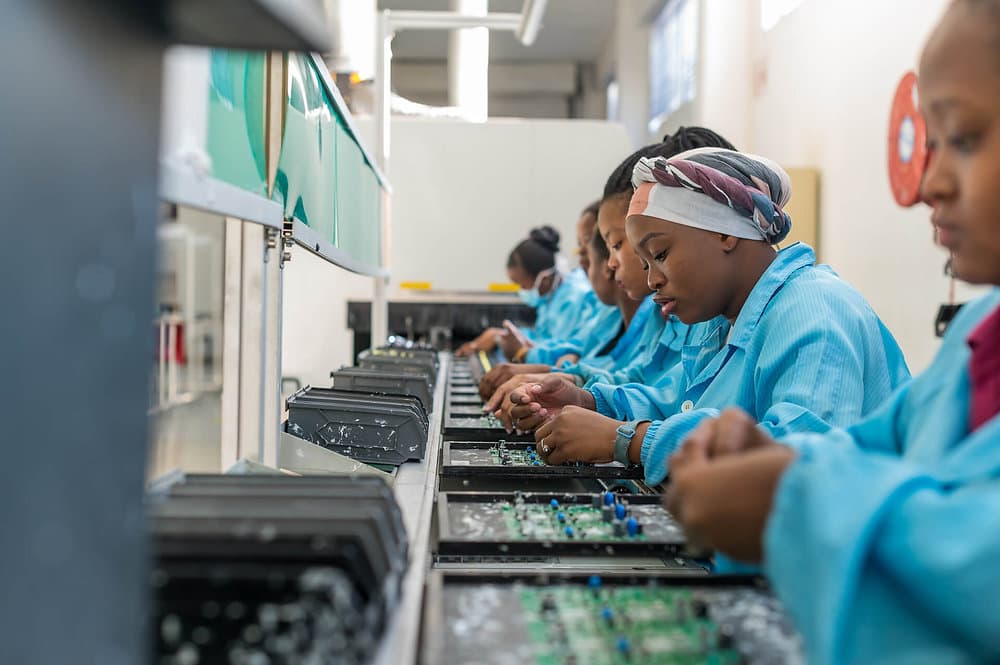
PCB manufacturing facility in Johannesburg Longer Lead Times Increase Project Costs
How to improve the rollout
One of the biggest hidden costs of overseas PCB sourcing is the extended lead time. When PCBs are manufactured abroad, the process includes production time plus international shipping, customs clearance, and inland transport. This can add weeks or even months to delivery.
Long lead times affect projects in several ways:
What to do next
Delays in product development : Waiting for PCBs can stall assembly and testing phases.
Increased inventory costs : Companies may order larger batches to avoid stockouts, tying up capital.
Section 6
Reduced flexibility : Last-minute design changes become costly or impossible.
By contrast, local manufacturing in Johannesburg offers much shorter lead times. Typical turnaround times can be days rather than weeks. This speed allows companies to respond quickly to design tweaks, reduce inventory levels, and accelerate time to market.
Section 7
Import Duties and Shipping Fees Add Up
The initial low price of overseas PCBs often excludes import-related expenses. South African import duties, value-added tax (VAT), and customs fees can significantly increase the landed cost of PCBs. Shipping fees, especially for expedited air freight, add further costs.
Section 8
For example, a batch of PCBs costing R1,000 overseas might incur:
15% import duty = R150
Section 9
15% VAT on cost + duty = R232.50
Shipping and handling = R500 to R1500 depending on speed and weight
Section 10
This can push the total cost to nearly R900 or more. Local manufacturers avoid these fees entirely, offering a more predictable and transparent pricing structure.
Quality Control Risks Can Lead to Rework and Waste
Section 11
Quality control is another hidden cost when sourcing PCBs overseas. Distance and communication barriers make it harder to monitor production quality in real time. This can result in:
Defective boards that require rework or scrapping
Section 12
Miscommunication on specifications leading to incorrect designs
Longer resolution times for issues due to time zone differences
Section 13
Each of these problems increases costs and delays delivery. Local manufacturers provide easier access for inspections and faster feedback loops. Being able to visit the facility or have direct contact with engineers helps ensure quality standards are met from the start.
Supporting Local Industry Strengthens the Economy
Section 14
Choosing local PCB manufacturing also benefits the South African economy. It supports jobs, skills development, and industrial growth. This creates a more resilient supply chain less vulnerable to global disruptions.
For companies, this means:
Section 15
More reliable supply during international shipping delays or trade restrictions
Closer partnerships with manufacturers who understand local market needs
Section 16
Faster innovation cycles through collaboration
Case Example: Johannesburg Facility Versus Overseas Supplier
Section 17
Consider a mid-sized electronics company needing 500 PCBs for a new product launch. The overseas supplier quotes $2 per board with a 6-week lead time. The Johannesburg manufacturer quotes $2.50 per board with a 1-week lead time.
At first, the overseas option looks cheaper at R1,000 versus R1,250 locally. But adding hidden costs changes the picture:
Section 18
Cost Component
Overseas Supplier
Section 19
Johannesburg Manufacturer
PCB Unit Cost
Section 20
R1,000
R1,250
Section 21
Import Duty (15%)
R150
Section 22
R0
VAT (15%)
Section 23
R172.50
R187.50
Section 24
Shipping & Handling
R200
Section 25
R0
Inventory Carrying Costs
Section 26
R100 (due to lead time)
R20 (leaner inventory)
Section 27
Quality Rework
R150 (estimated risk)
Section 28
R50 (lower risk)
Total Cost
Section 29
R1,772.50
R1,507.50
Section 30
The local option saves over R250 and cuts lead time by 5 weeks. This faster turnaround can be critical for meeting market deadlines.
How to Evaluate PCB Sourcing Options
Section 31
When deciding between overseas and local PCB manufacturing, consider these factors:
Total landed cost including duties, taxes, and shipping
Section 32
Lead time impact on project schedules and inventory
Quality assurance processes and risk of defects
Section 33
Communication and support availability
Flexibility for design changes
Section 34
Long-term supplier relationships
Request detailed quotes that break down all costs. Ask for references or case studies from suppliers. Visit local facilities if possible to assess capabilities firsthand.
Section 35
Final Thoughts on PCB Sourcing Choices
Choosing overseas PCB suppliers based solely on low unit prices overlooks many hidden costs that add up quickly. Local South African manufacturing, such as facilities in Johannesburg, offers advantages in lead times, cost transparency, quality control, and supply chain reliability.
Section 36
By factoring in these elements, companies can make smarter sourcing decisions that save money, reduce risk, and speed up product launches. For South African businesses, supporting local PCB manufacturers strengthens the entire electronics ecosystem and builds a foundation for future growth.